Valentine’s Day arrives quickly. Classrooms and homes soon will abound with pink paper, heart-shaped notes, and plans for exchanging gifts. Now’s the time to start thinking about gifts and decorations in honor of this beloved celebration.
After all, a moment of planning offers a chance to pause and select the holiday’s tone.
Instead of focusing on cliché candy and store-bought cards, why not celebrate the occasion with intention, creativity, and – most importantly – loving care?
That same sense of affection can extend past people and toward the world kids grow up in.

Eco-friendly crafts and creations reduce waste while they invite a calmer rhythm and inspire kids to make something meaningful for their friends and loved ones. Better yet, the ideas fit easily into everyday settings.
These hands-on activities work in home and school environments. Children connect Valentine’s crafts with learning, imagination, and collaborative moments that last longer than the holiday.
When you look closely, the most memorable Valentine’s Days tend to share a few things in common.
A More Thoughtful Valentine’s Day Beyond Candy and Cards
Valentine’s Day doesn’t have to be a simple one-day exchange of sweets and pre-printed messages. When you craft Valentine’s gifts and engage in tasks centered on the holiday, you shift the focus from receiving to creating with purpose.
Hands-on pursuits naturally slow the pace of the holiday and invite time spent together. Those cherished times usually have a few things in common:
- Handmade projects encourage children to focus on the process rather than the result.
- Inventive works position intention ahead of price or trendiness.
- Crafting together solidifies connections between children and parents or teachers.
- Reusable materials help children recognize value in what they already have.
- Personal gifts reflect effort and originality, not the latest memes.
Green crafts let families create Valentine’s traditions that are more sentimental than commercial. Together, they can craft their own values into the gifts with care and creativity.
With that mindset in place, the results themselves start to matter less than how kids make them.
Sustainable Gift Ideas for Valentine’s Day Kids Can Make Themselves
Valentine’s Day ideas don’t have to be disposable. They can focus on creativity, reuse, and thoughtful play. The following crafts and projects use common household materials and reusable products.
Each of these projects promotes innovation and sustainability alongside Valentine’s Day fun.
1. Nature-Inspired Valentine Cards
The most meaningful Valentine’s Day cards don’t come from a store. Design your own with recycled paper, cardboard, and craft paper. You can make nature-inspired greetings by collecting leaves, flower petals, bark rubbings, and twigs for added texture and patterns.
Kids will notice the veins in a leaf, the curve of a petal, and the rough texture of bark as they design each card.
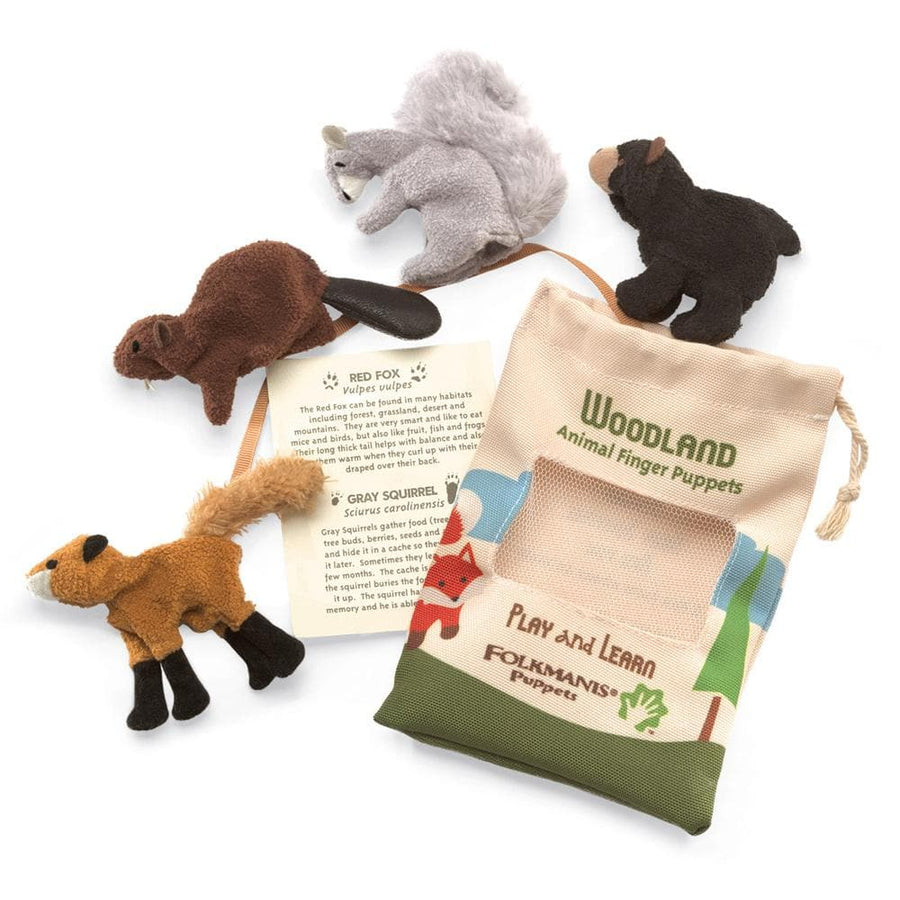
You can also pair card designs with animal themes by including detailed figurines of birds and woodlands creatures. These gifts are even more sustainable when kids use reusable scissors, stamps, paints, and other arts and crafts supplies instead of single-use items.
2. Animal-Themed Craft Projects With Reusable Materials
Kids will love giving animal-themed projects to their friends for Valentine’s Day – and their pals will adore them, too. Popular options include animal masks, puppets, and stand-up figures made from scrap cardboard and rolls of paper.
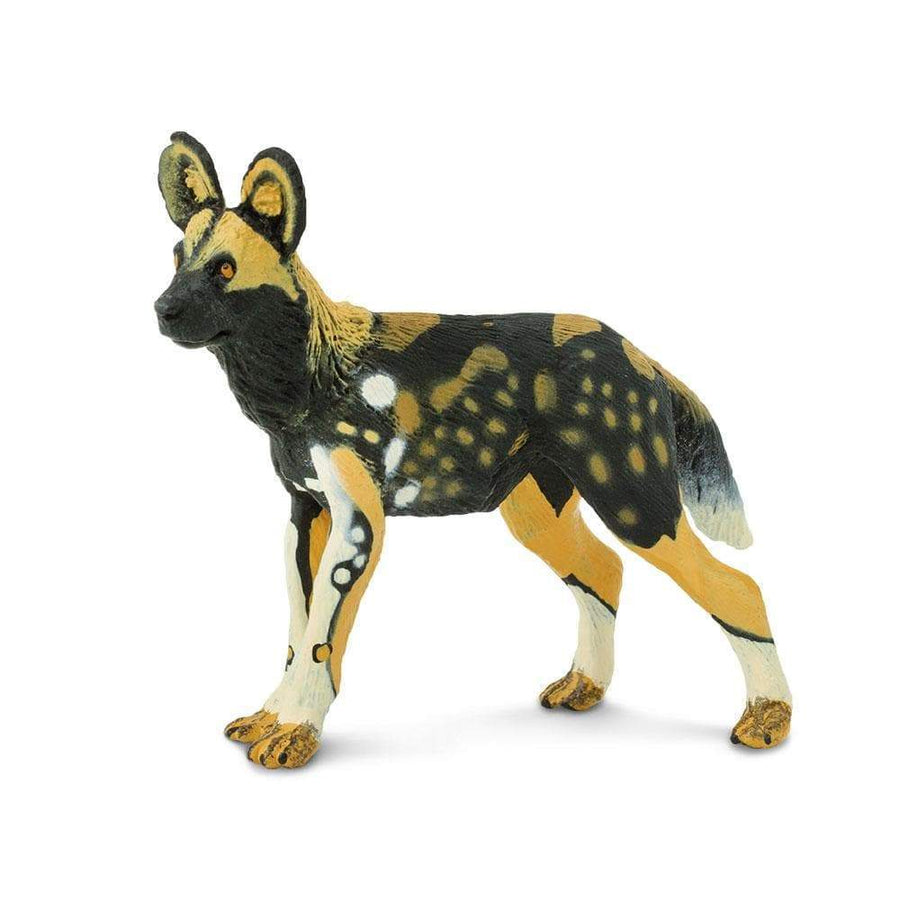
Animal figurines add realistic details, from feather patterns to fur markings. They help kids bring their crafts to life. They also offer an effective learning tool as kids research and discuss the critters they are crafting, including habitats, diet, and behaviors.






You emphasize sustainable habits when children recycle cardboard tubes, scrap paper, and jars they already recognize from home.
3. Reusable Arts and Crafts Kits for Valentine Creations
Arts and crafts kits can serve as the foundation for a variety of tasks rather than one-time Valentine’s Day use. Collections like the Kid Made Modern kits support kids’ creative freedom without the need for fixed outcomes. Kids can let their imaginations run wild.
Valentine’s Day-specific projects like paper garlands, bookmarks, gift tags, and decorative signs are just a few of the options that can be crafted with the right supplies.


Once they’re done, children can save their leftover supplies and revisit them in the future for additional holidays or everyday crafts.
4. DIY Valentine Gifts Made From Household Items
You can transform everyday household objects into lovely Valentine’s presents. Glass jars, small boxes, and fabric scraps all can be made into functional gifts.
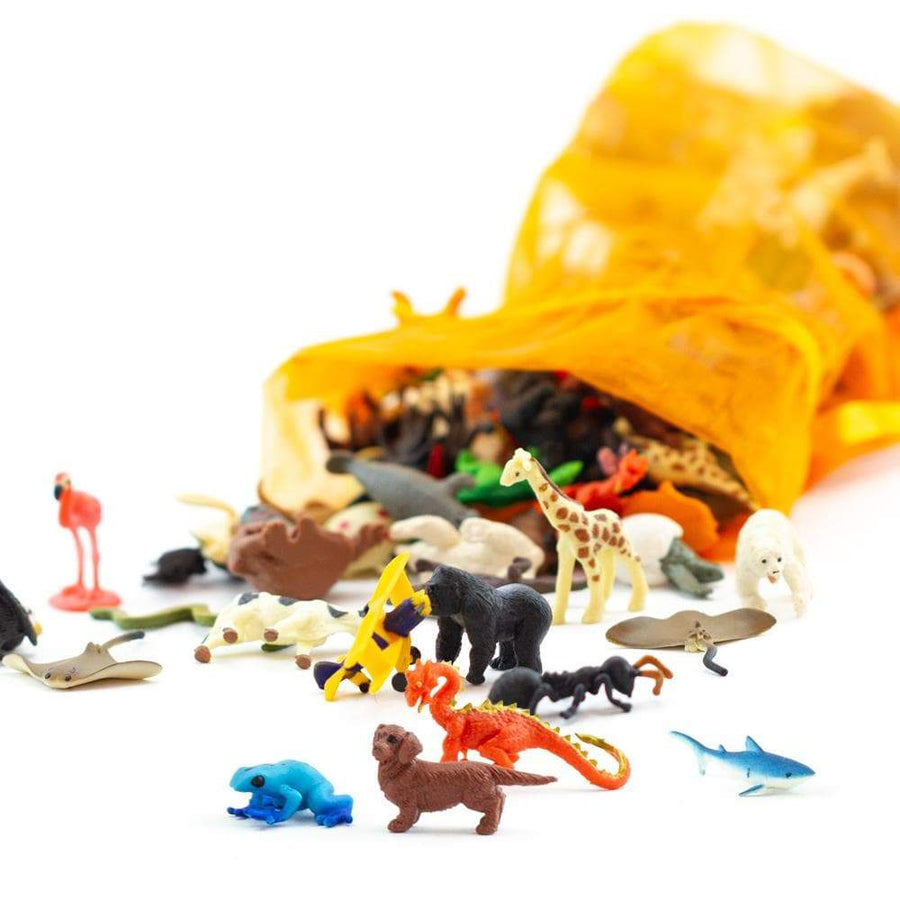
Guide kids as they design Valentine’s Day artwork like lanterns, pencil holders, keepsake containers, and reusable gift wrap. They even can add tiny animal models as lasting accents as opposed to disposable trinkets.
Disclaimer: Please note that Good Luck Minis are smaller figurines and should be avoided by younger children.
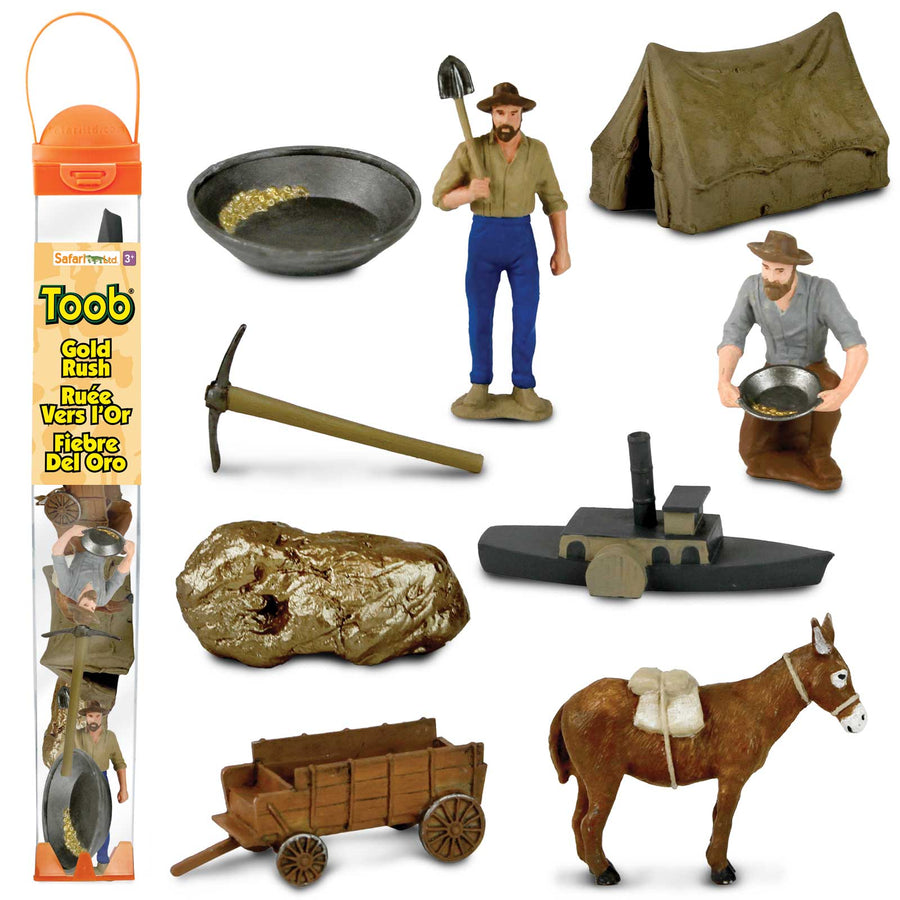
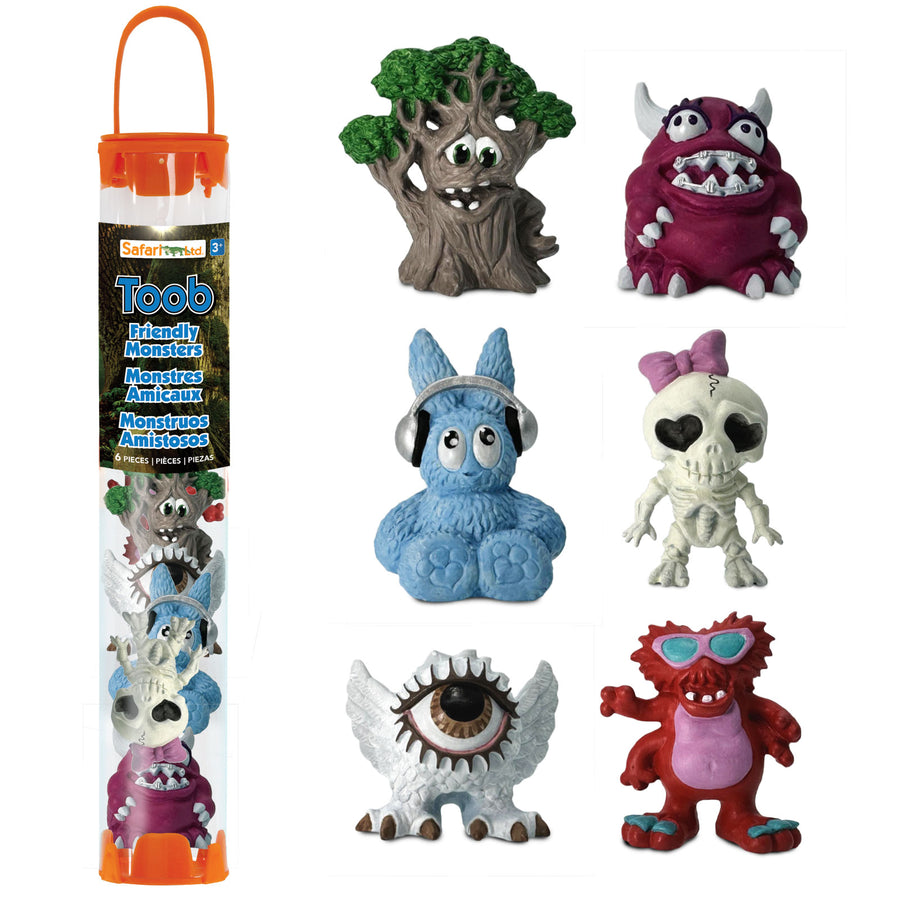
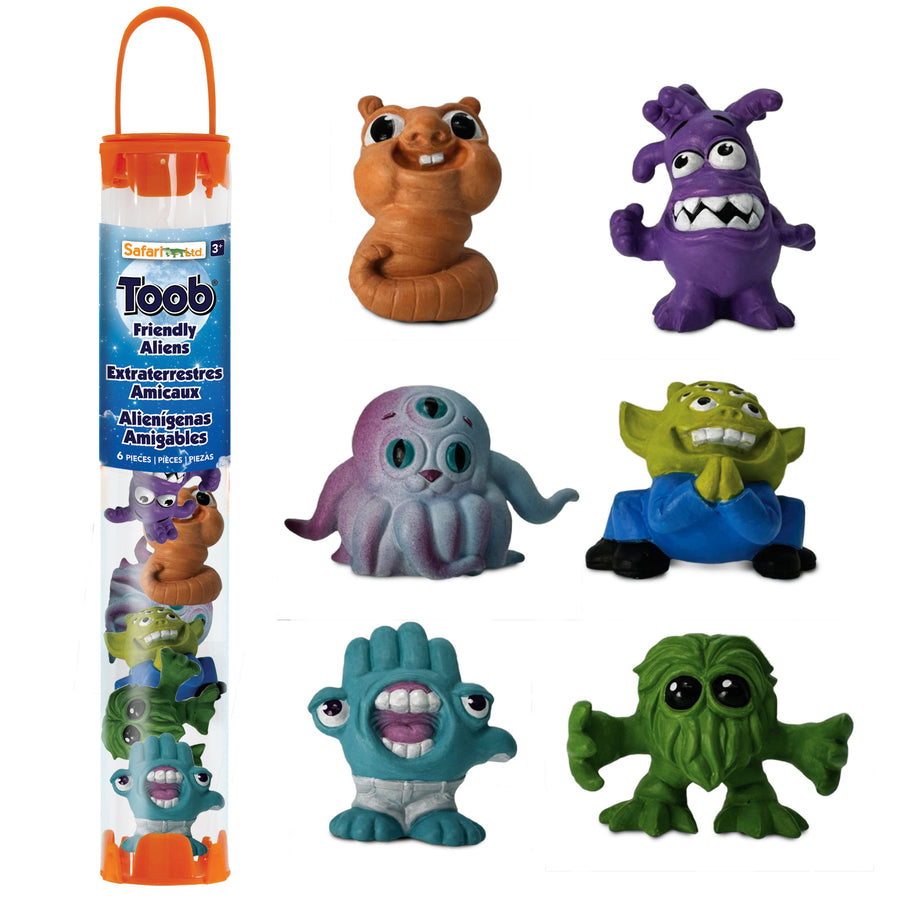
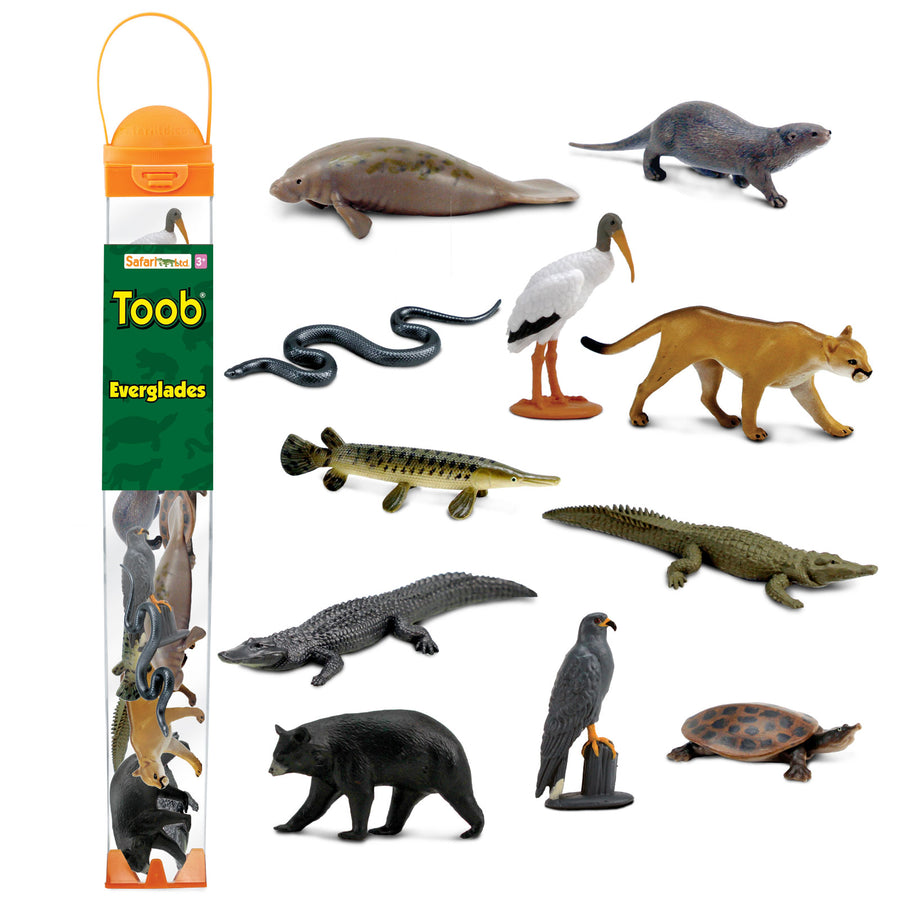
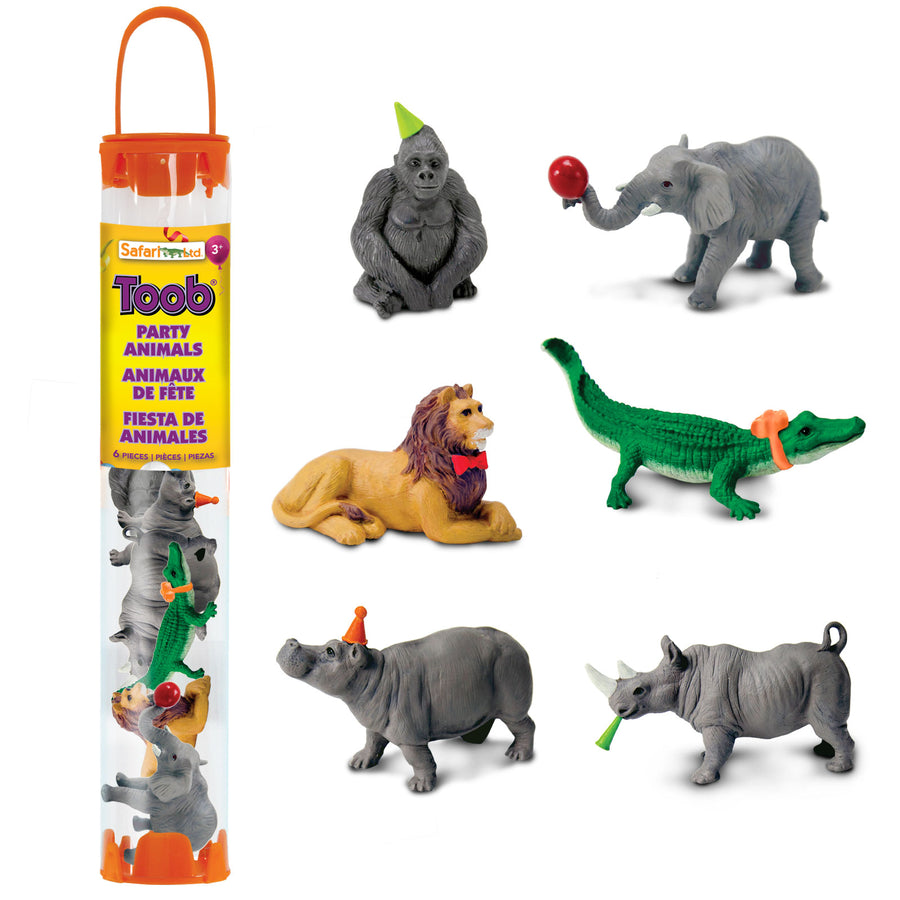
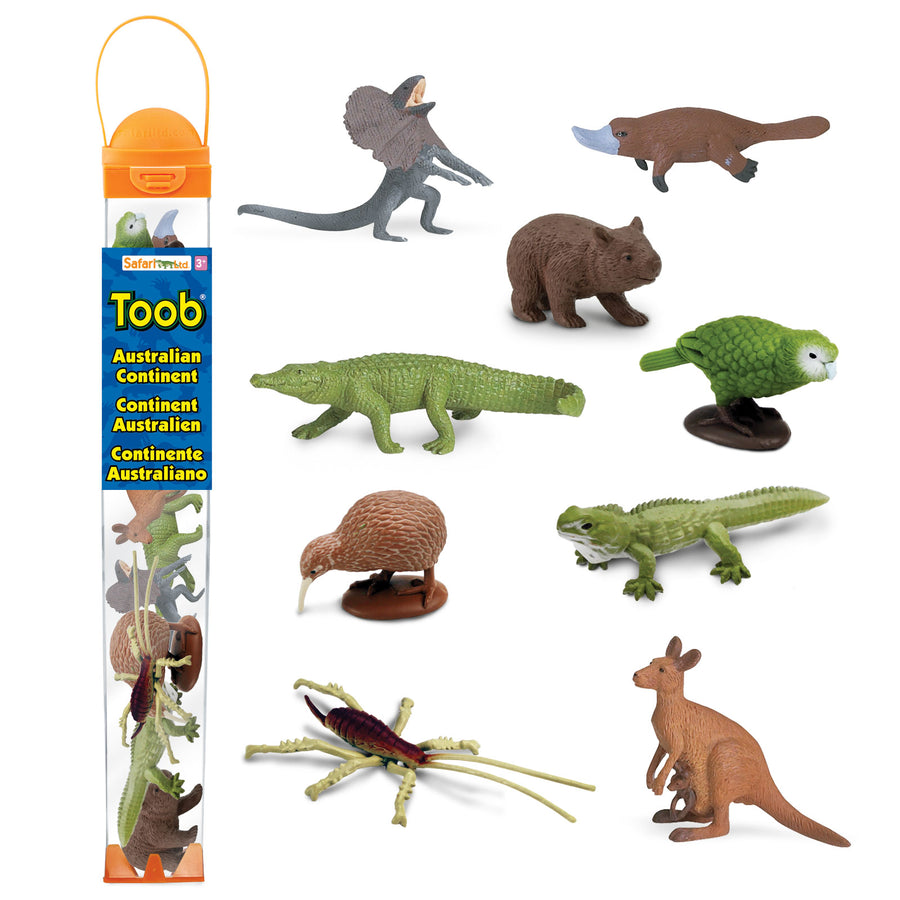
These gifts remain useful and sentimental well beyond the special occasion.
5. Educational Valentine Activities Using Figurines
Figurines can anchor themed play. Center these on friendship, families, and cooperation, and they fit perfectly with a Valentine’s Day motif. Kids will love building simple scenes or dioramas with recycled cardboard as a backdrop.
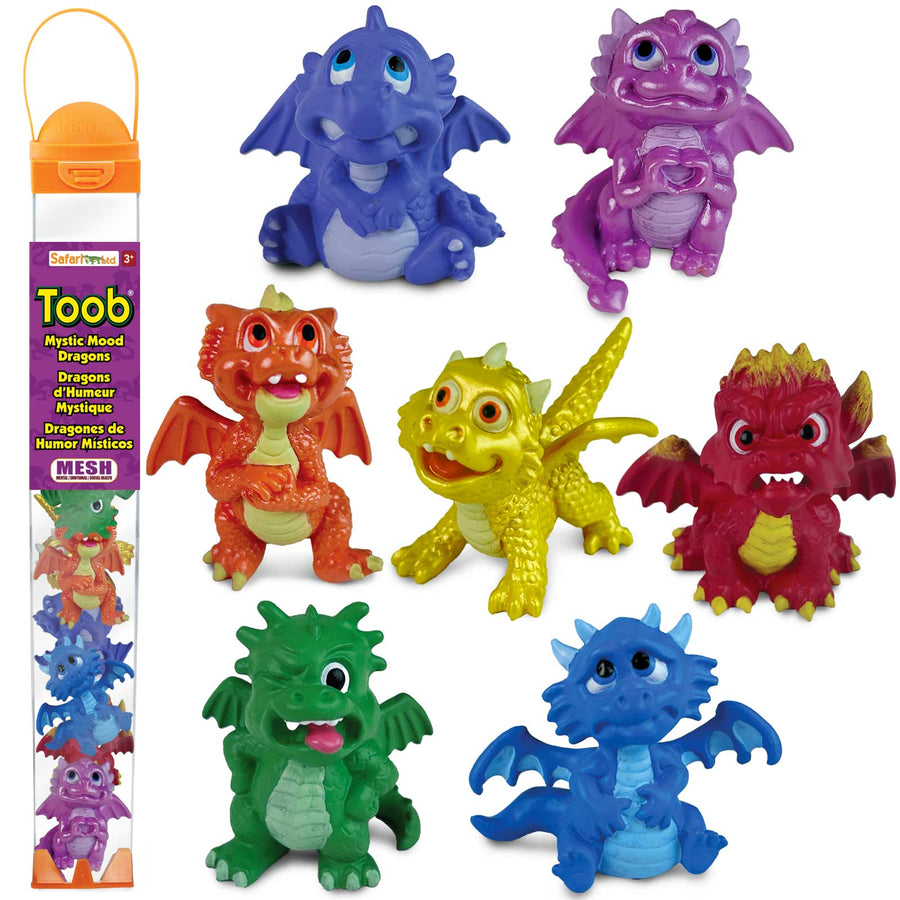
TOOB figurine sets are perfect for storytelling and sequencing activities. They combine imaginative play with early literacy skills like narrative structure and expressive language. Your child’s classroom peers will be thrilled with these thoughtful gifts.
Disclaimer: Please note that TOOBS are smaller figurines and should be avoided by younger children.
6. Eco-Friendly Valentine Decorations for the Home or Classroom
Valentine’s Day decor for both the home and the classroom can be eco-friendly, too. Kids can craft paper banners, hanging hearts, and window displays that brighten a room without becoming disposable decor.
Then they can make mobiles and tabletop displays inspired by natural elements like animals, plants, and insect models. Nature figurines serve as visual inspiration for shapes and designs. By storing these decorations for future use, you build sustainable family traditions.
7. Valentine’s Day Acts of Kindness Activity
Non-commercial acts of kindness offer one of the most eco-friendly ways to celebrate the day. There’s virtually no waste. These Valentine’s Day gifts also teach youngsters about the satisfaction they get from assisting others.
As an alternative to candy exchanges, messages announcing these gifts can be fashioned by pairing handmade cards or crafts with small figurines that promote imaginative play.
Children start to think about charitable acts for classmates, teachers, neighbors, and family members, rather than considering only themselves. By reinforcing kindness, you teach your child ongoing values that can be connected to both empathy and creativity.
How to Make Valentine’s Day Crafts More Sustainable
Create handmade Valentine’s gifts that are even more sustainable by choosing non-toxic, washable, and durable supplies to make them.
Once you collect your arts and crafts materials, store them in labeled containers to extend their life and encourage kids’ independence next time they’re bitten by a creative bug. Sustainable craft setups often include a few simple habits.
- Supplies you can reuse for multiple projects and festivities.
- Materials that clean easily and don’t need to be replaced.
- Storage systems so kids can find and return items on their own.

Preparation is also key to sustainable gifts. If you plan ahead for making holiday crafts, you avoid the need for those last-minute purchases that generate unnecessary waste.
Kids learn by example, so modeling sustainable habits throughout the year reinforces these lessons long after the holiday ends.
Celebrating Valentine’s Day With Purpose
Earth-friendly crafts shift Valentine’s Day from consumption to connection. When kids craft, their endeavors are infused with creativity, learning, and environmental awareness – all qualities that will serve them outside of holiday festivities.
The ideas in this list offer starting points for sustainable celebrations. Creativity and imagination will take them even further.