
Children learn the best when the world around them is flexible and responsive to curiosity. Open-ended play helps greatly with this, letting learning naturally flow through exploration instead of rigid instruction. This type of play also helps kids learn faster by encouraging active thinking and deeper engagement.
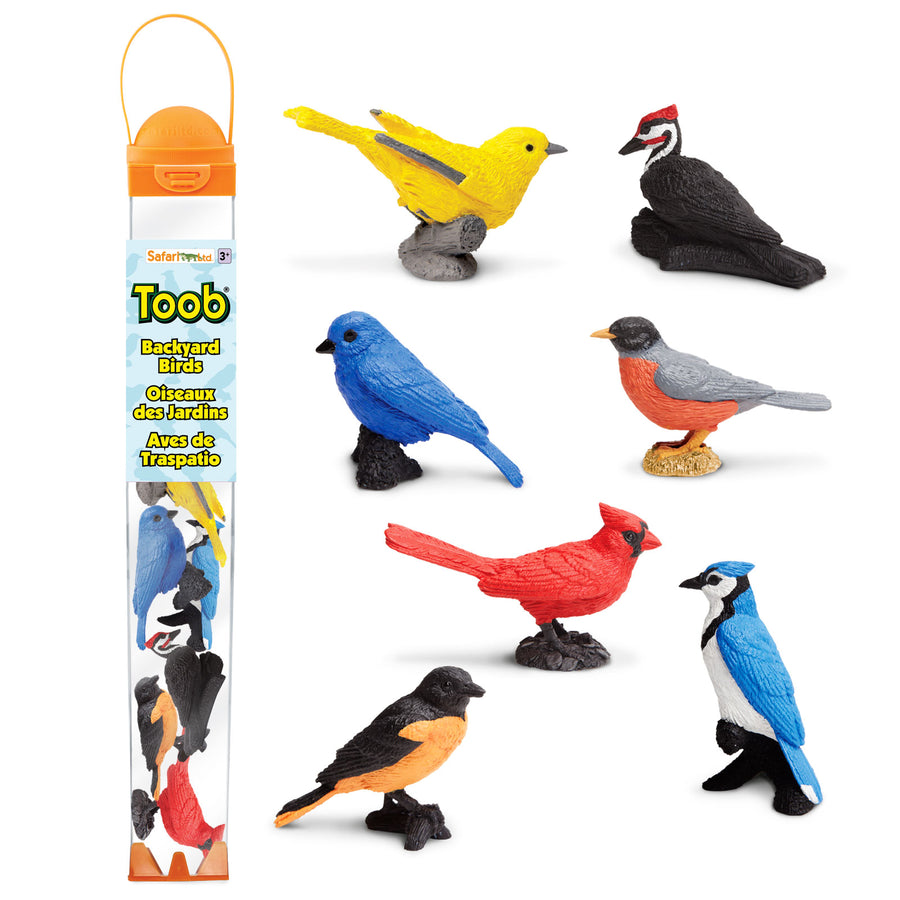
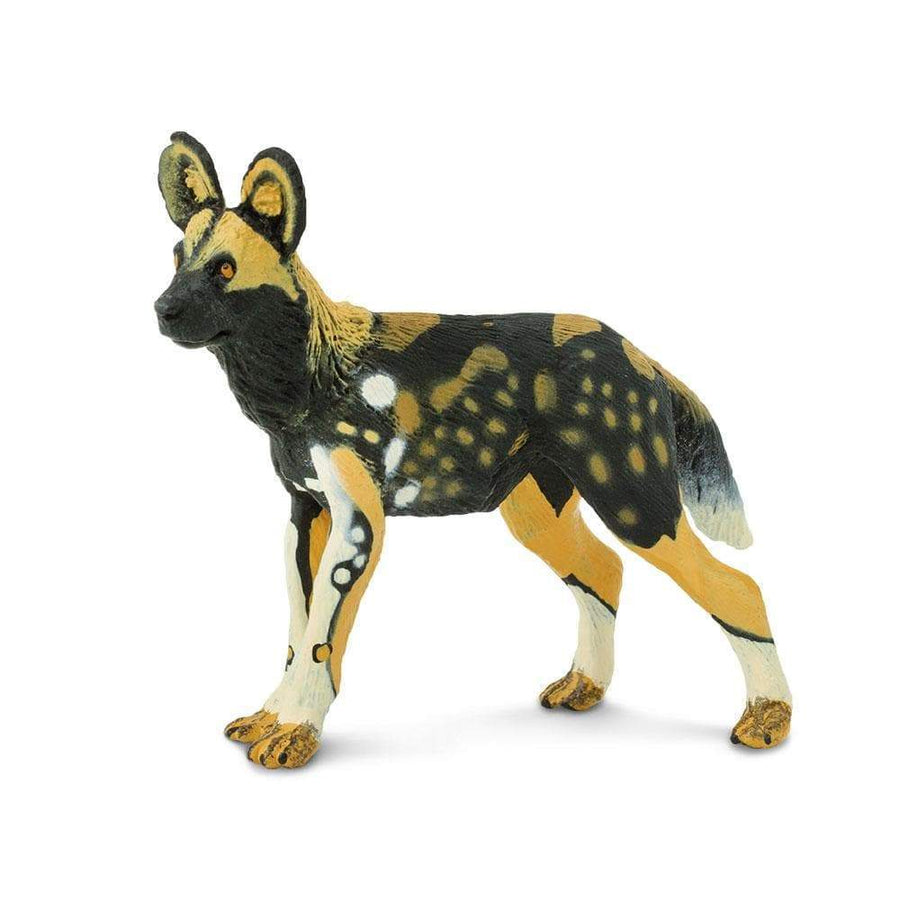
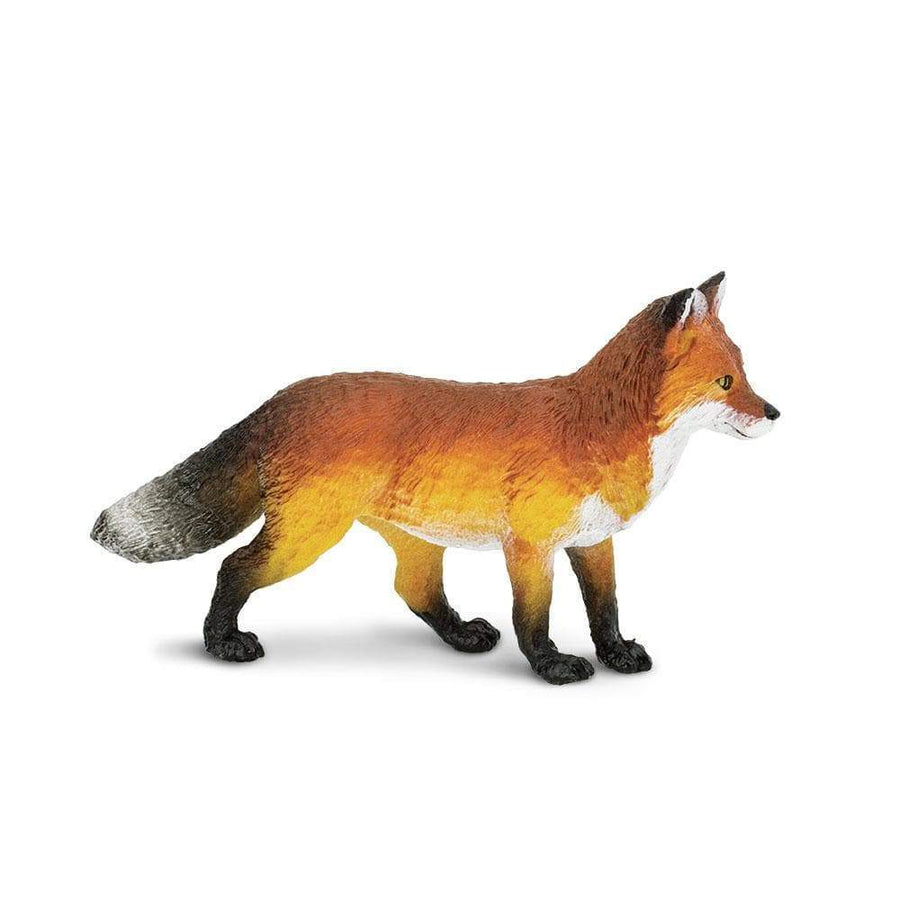
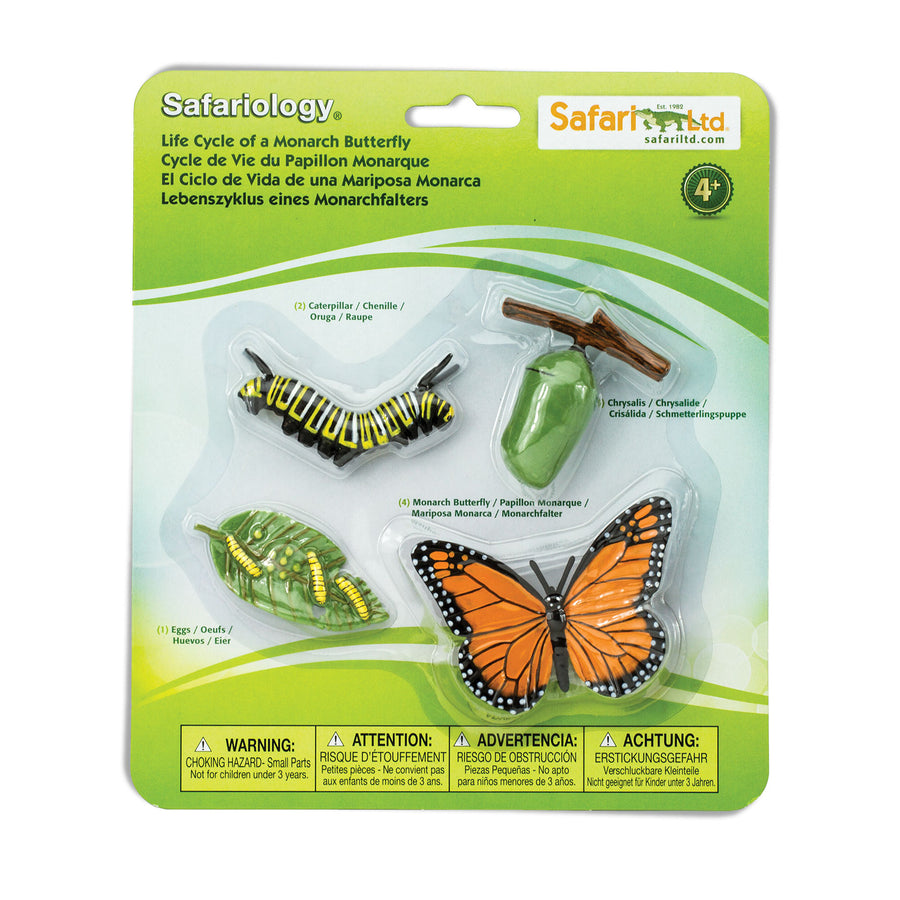
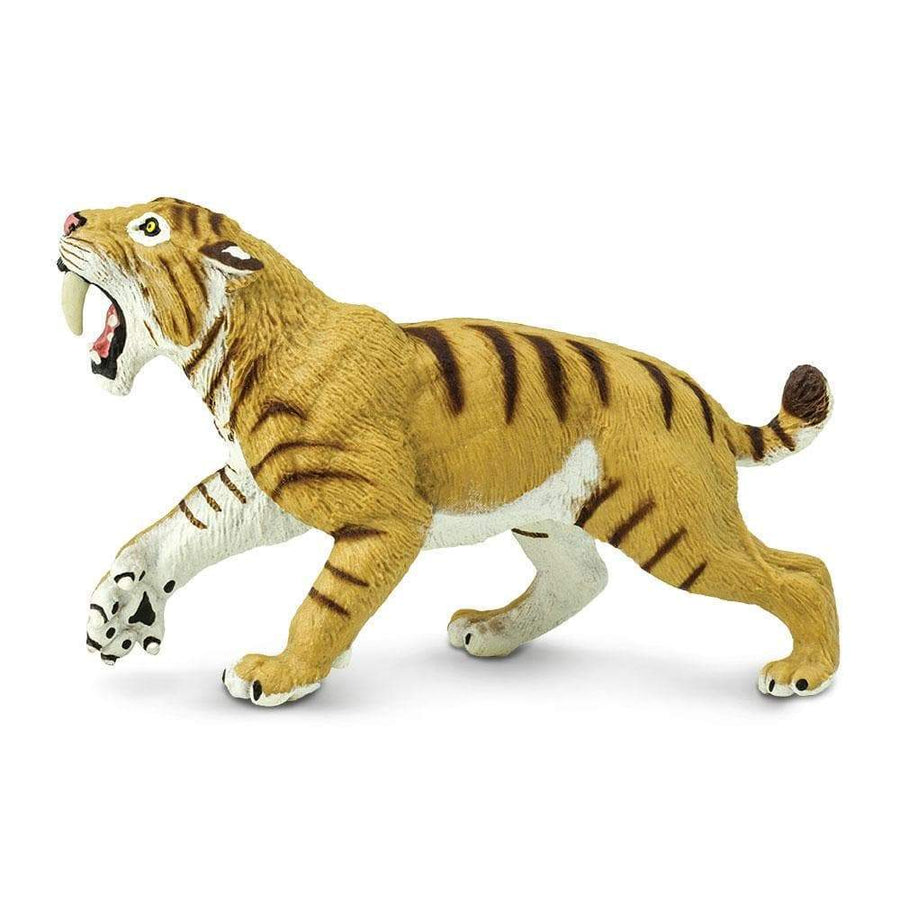
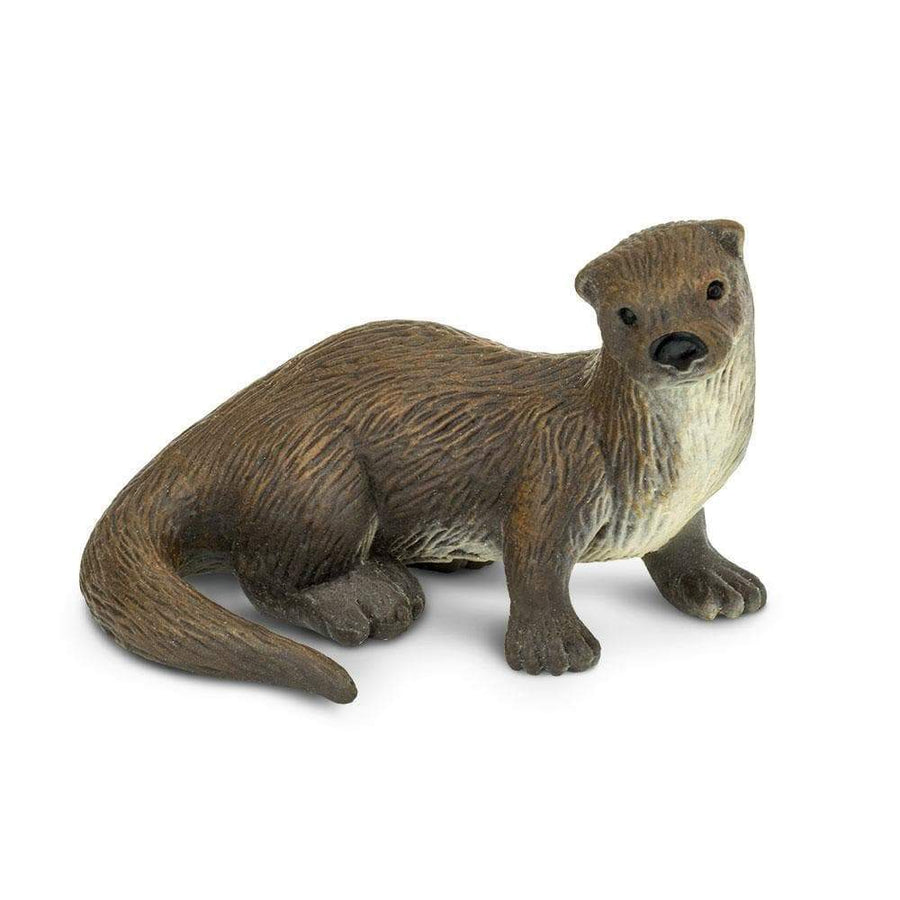

Read on to see how open-ended play supports a child’s developing brain and adapts as they grow. You’ll also see why the right toys make a world of difference.
What Is Open-Ended Play?
The term open-ended play describes play without a single goal or correct result. Children play with their toys without feeling there is a right or wrong way to approach them.
That removes pressure and allows children to decide how play unfolds. These types of toys stimulate their imagination instead of directing behavior.
Closed-ended toys work differently than open-ended toys, though. A puzzle only has one way to solve it. Closed-ended games follow fixed rules. These toys guide children toward a specific outcome.


Open-ended play toys leave the rules open and encourage kids to use them creatively. Examples include a wide range of everyday play materials, such as:
- Figurines
- Toy cars
- Play silks
- Art supplies
- Building blocks
- Loose parts
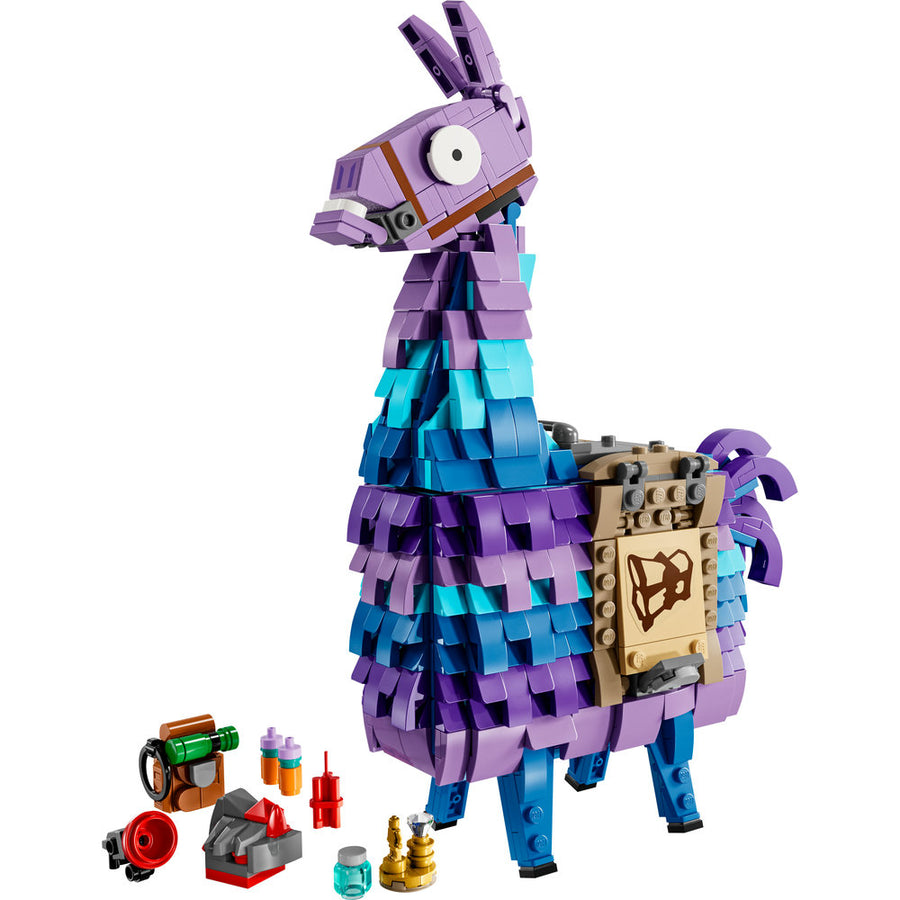
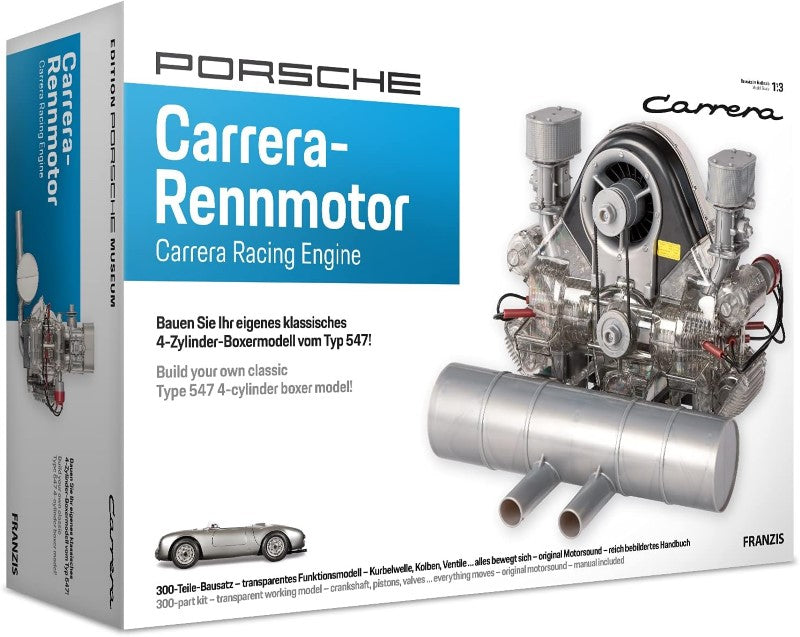


Children can use these items in several ways across different play sessions. One day, toys support sorting or stacking. Another day, the same pieces become characters in a story. Art supplies often help children decorate scenes or build imagined environments.
How Play Connects to Learning
Play is more than simple fun for kids. It actually shapes how they understand the world.
During open-ended play, children get to test their test ideas through action. That process shows them how learning works in reality.
Open-ended play also supports brain development. When children plan, imagine, and adapt, they activate multiple cognitive systems at once. Those systems include memory, language, and emotional regulation.
Because the child leads the activity, learning feels personal. Children stay engaged longer and retain skills more easily.
Open-Ended Play Matures Along With Your Child
Open-ended play grows with your child and remains useful as they develop new skills. The same toy can support learning at different stages.
As a result, the child won’t get bored with the open-ended toy, and it doesn’t stop being useful as their skills change. That adaptability makes open-ended play especially valuable during early childhood and beyond.
In the earliest years, children focus on movement and exploration of their senses. They handle, stack, and sort their playthings. They also move objects from place to place. Simple building blocks, chunky figurines, and loose parts work well at this stage.
These open-ended toys are easy to grasp and encourage repeated hands-on use. Additionally, these actions help with early pattern recognition and development of fine motor skills.
As children grow, play becomes much more imaginative. The same toys they played with in earlier years begin to take on roles and meanings within stories. For instance, animal figurines may become characters, while blocks turn into homes or habitats.
Moreover, children practice language and express emotions during pretend play sessions. After a while, those stories develop into ones with a clearer beginning, middle, and end.
Why Open-Ended Play Helps Kids Learn Faster
Open-ended play speeds learning because it encourages active thinking. Children are not waiting for instructions. They are creating their own.
This type of play supports several learning areas at the same time.
Cognitive Growth and Problem Solving
Children face small challenges during open-ended play. A tower falls. A story needs a new ending. A group needs to agree on roles.
Each moment invites problem solving. Children learn to test ideas, revise plans, and try again. Those skills transfer to academic learning later.
Creativity and Flexible Thinking
Open-ended play allows children to imagine many possibilities. A single figure can represent different characters across stories.
That flexibility strengthens creative thinking. Children learn that ideas can change. They also learn that more than one solution can work.
Language and Communication Skills
Many open-ended play scenarios involve storytelling. Children narrate actions and explain ideas to others. This type of play naturally builds children's vocabulary and sentence structure. As such, they practice communication without pressure or correction.
Social and Emotional Development
Open-ended play often includes collaboration. Children set the rules and share control of the play. These interactions build patience and a sense of empathy in them. Beyond that, children learn how emotions affect group play and outcomes.
How Open-Ended Play Toys Support Learning
The right toys make open-ended play easier to sustain. Open ended play toys invite interaction rather than directing it.
These toys share common traits. They are simple in design but rich in possibility. They represent real-world elements that children recognize.
Safari Ltd. designs many toys with this purpose in mind. Animal figurines, nature models, and educational replicas encourage hands-on exploration. Children decide how the toys are used rather than following scripted actions. As a result, each play session feels new, even with pieces that are familiar to them.
Open-Ended Play Across Different Ages
Open-ended play adapts extremely well across developmental stages. The same toy can support learning in different ways over time.
Toddlers and Early Preschool
Young children explore through touch and movement. Open-ended toys support stacking, sorting, and sensory play.
Animal figures may become objects to line up or group by size. Blocks may support simple balance and coordination skills.


Preschool and Early Elementary
As imagination grows, open-ended play becomes more narrative. Children create stories and role-play situations.
Figurines often take on personalities. At this age, children practice language, sequencing, and emotional expression during play.
Older Children
Older children use open-ended toys for complex scenarios. They may design habitats, ecosystems, or multi-part stories.
This stage supports systems thinking and planning. Children connect ideas across subjects like science, geography, and storytelling.


Practical Ways to Encourage Open-Ended Play at Home
Parents, educators, and caregivers can support open-ended play without stepping in too much. In fact, just a few small changes in the environment make a huge difference.
Start by offering fewer toys at one time. A smaller selection encourages deeper engagement. Rotate toys periodically to refresh interest.
Create a play space that allows freedom. Floor space works better than tight tabletops for many activities.
Adults can support play by observing rather than simply directing. When guidance is needed, simple questions like the following can help:
- “What do you think happens next?”
- “How could you change that?”
- “What does this character need?”
Tips for Selecting the Right Open-Ended Play Toys
Open ended play toys work best when children feel ownership over the play. However, not every toy is good about supporting open-ended play.
When you are looking for them, there are certain qualities that are more important than features.
When selecting open-ended toys, look for:
- Simple designs that don’t have batteries or buttons.
- Objects that represent real-world elements.
- Durable materials that invite hands-on use.
- Realistic detail to connect play to real-world learning.
Additionally, open-ended play toys should allow multiple interpretations. The toy should respond to a child’s imagination instead of controlling it.
If you want to explore toys designed for open-ended learning, visit the open-ended toy collection at Safari Ltd. You’ll find a variety of toys that support imagination, hands-on play, and learning at every stage.

