
You’ve seen it happen many times. Your child is excited about a new toy and goes on to play with it every day at first. Then, almost without warning, they stop bringing it out.
For parents and caregivers, that pattern gets old quickly. Toys pile up, and closets fill. Buying toys starts to feel too much like guesswork.
Safari Ltd designs toys to solve that exact problem. Our open-ended toys are made to stay fresh and relevant as children grow.
Instead of telling children what to do, our toys support Play Your Way™ exploration that changes with age, interest, and ability.
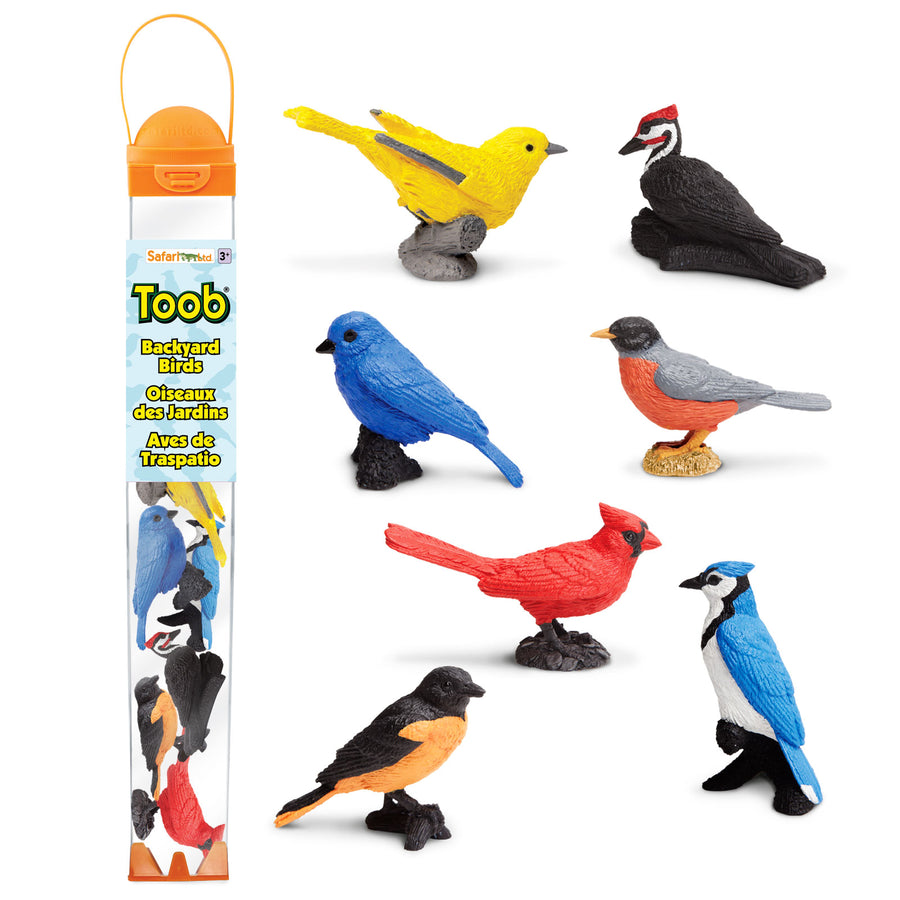
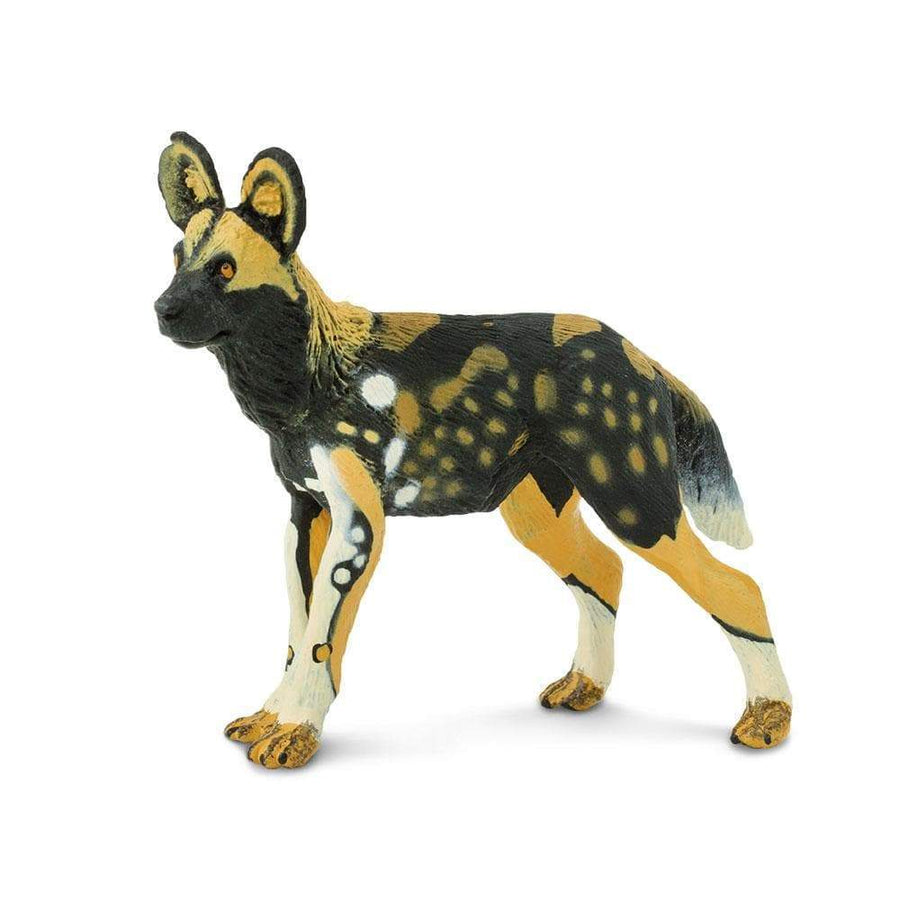
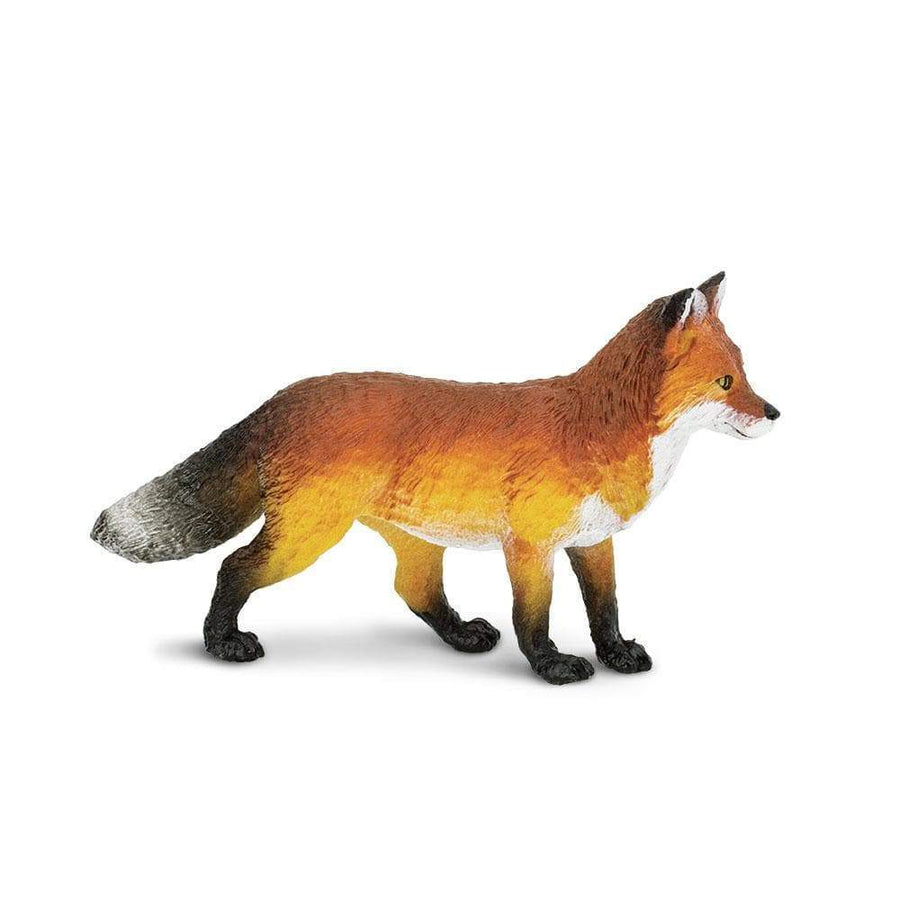
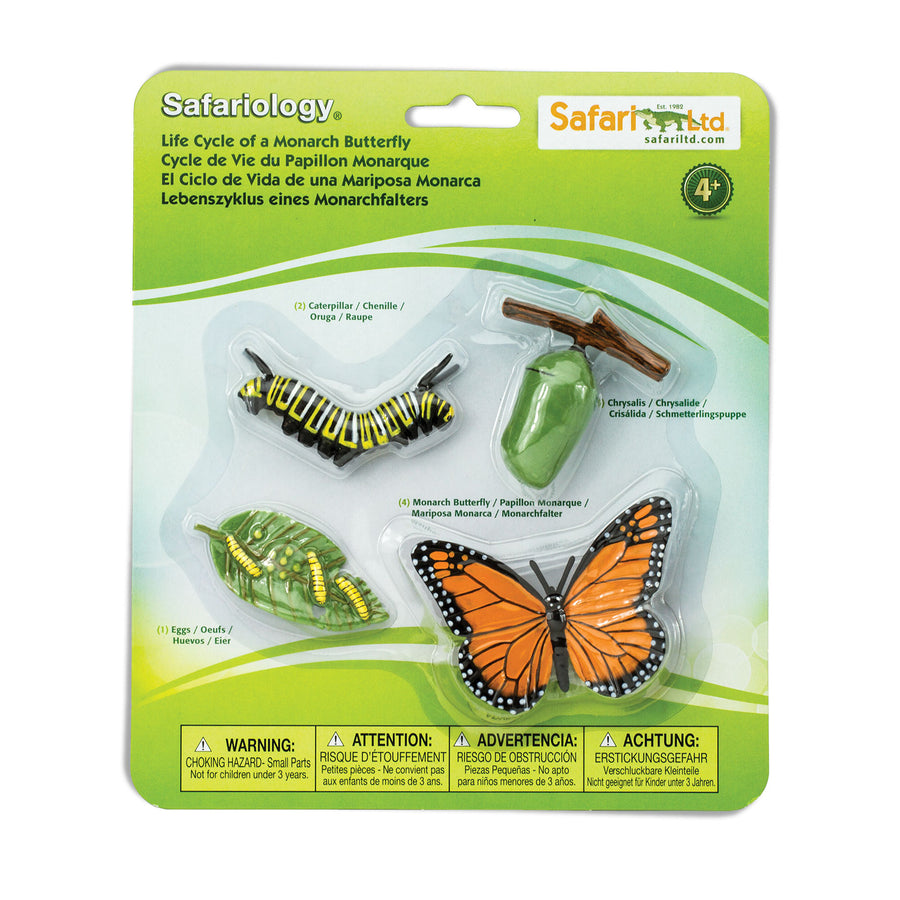
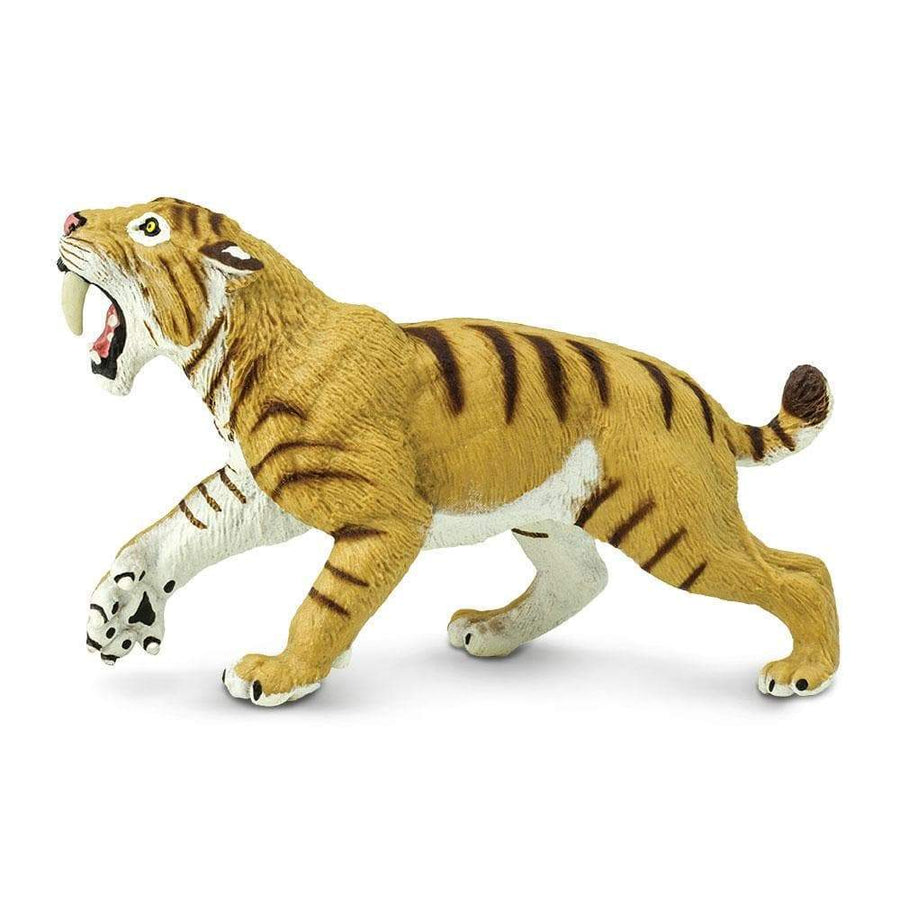
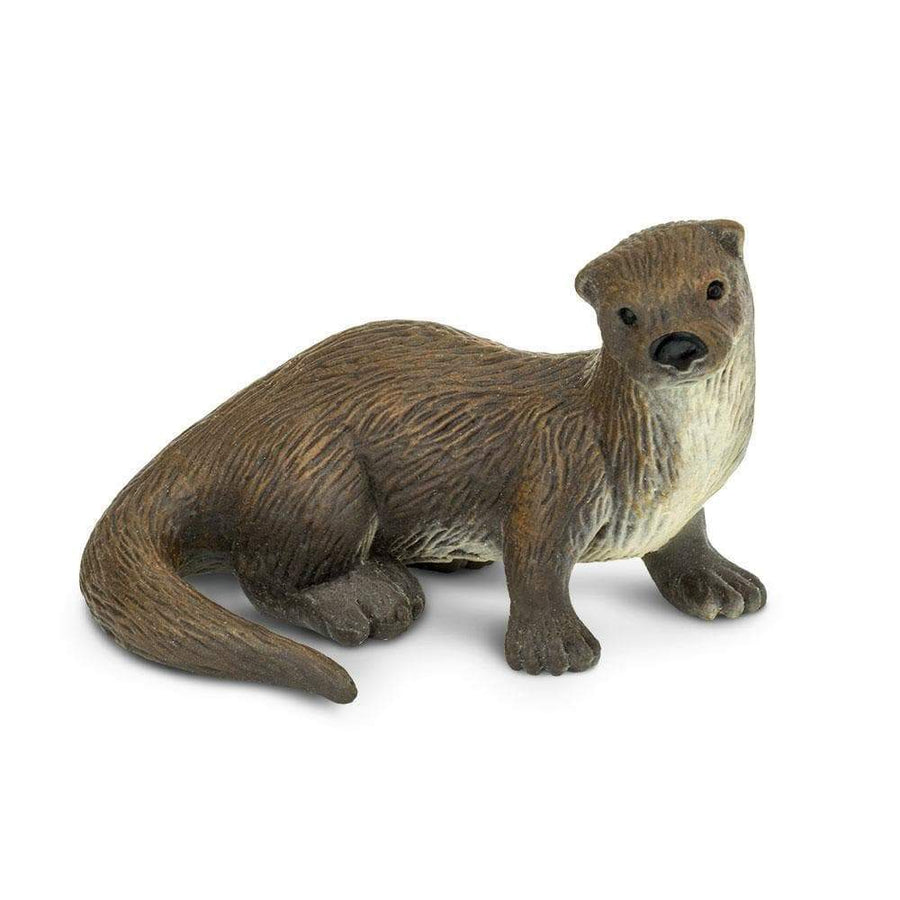
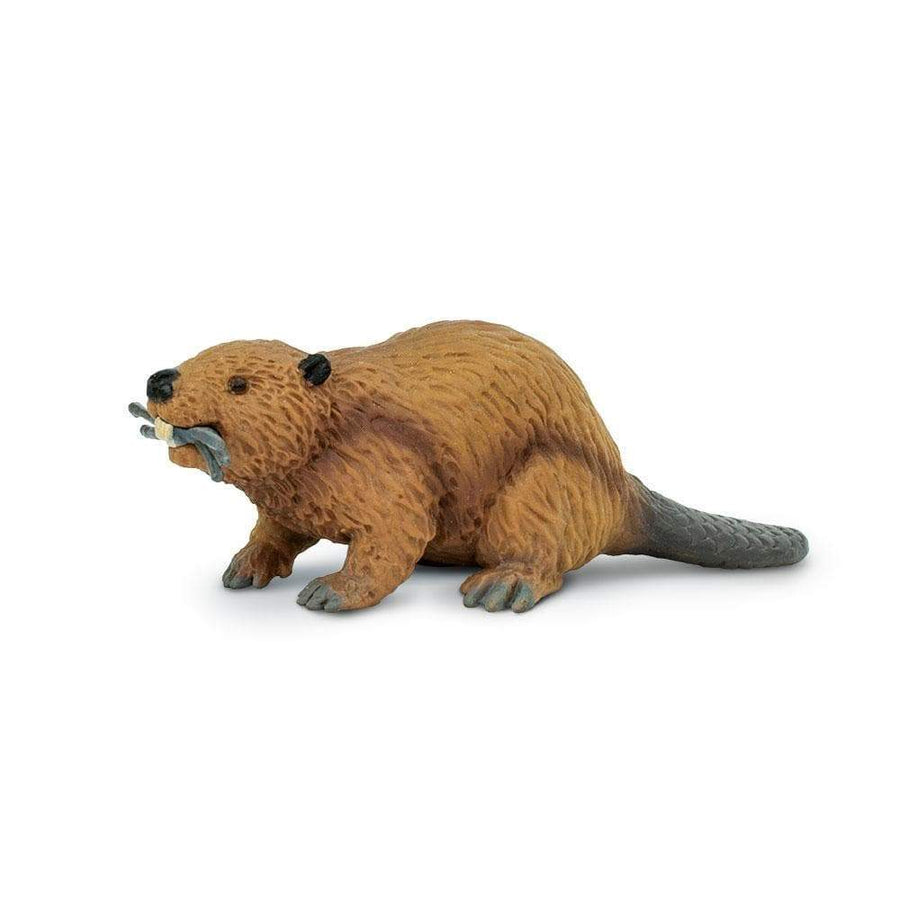
What Play Your Way Exploration Looks Like
Play Your Way exploration puts kids in charge of how play unfolds. There’s no single goal to reach and no right way to use the toy. Children decide what to try intuitively, how long to stay with it, and when to change direction.
This kind of play gives kids room to explore ideas at their own pace. One day, play might be simple. Another day, the same toy supports a use that’s more detailed or more imaginative. What matters is that the child leads, not the toy.
That freedom is also what allows play to grow alongside a child instead of being outgrown too quickly.
Why So Many Toys Get Outgrown So Quickly
Children change fast, and what excites them one month may feel limiting the next. Because of that, parents often assume a toy failed because it wasn’t engaging enough.
In reality, the toy usually offered only one way to play. Once that experience was used up, the toy lost its place along with the child’s interest.
Toys that grow with a child work differently and offer multiple ways to engage. Plus, they allow children to return with new skills and new ideas.
Babies and Young Toddlers: Discovering Through Hands and Movement
Early play hinges on sensation when it comes to infants and young toddlers. As such, babies reach, grab, and mouth objects. Toddlers, on the other hand, test balance, weight, and cause-and-effect.
At this stage, parents often notice that overly complex toys fall flat. Too many buttons or responses can interrupt their burgeoning curiosity.
Open-ended toys support exploration without distraction. They respond to a child’s actions instead of directing them.
Blocks and building toys are a common example. A baby may hold or stack one briefly. A toddler may knock it down repeatedly.


The toy stays useful because the way the child interacts with the toy changes. They begin to lead the experience.
Parents often find success early on with:
- Cuddly stuffed animals that encourage pretend play
- Rattle sticks and clutch toys that are easy to grasp
- Chunky puzzles with forgiving placement
These toys don’t rush play. They make room for repetition, which is how learning begins.
Toddlers to Preschoolers: When Imagination Takes the Lead
As language develops, play changes. Parents start hearing narration during playtime. Toys take on roles.
This time is when imaginative play becomes easier to recognize. A figurine becomes a helper. The same figure can become a problem-solver later.
Open-ended animal and people figurines support this naturally. They don’t assign personalities or outcomes. Children decide what happens next.
Puzzles and games evolve during this stage as well. Preschoolers often enjoy the process more than finishing.

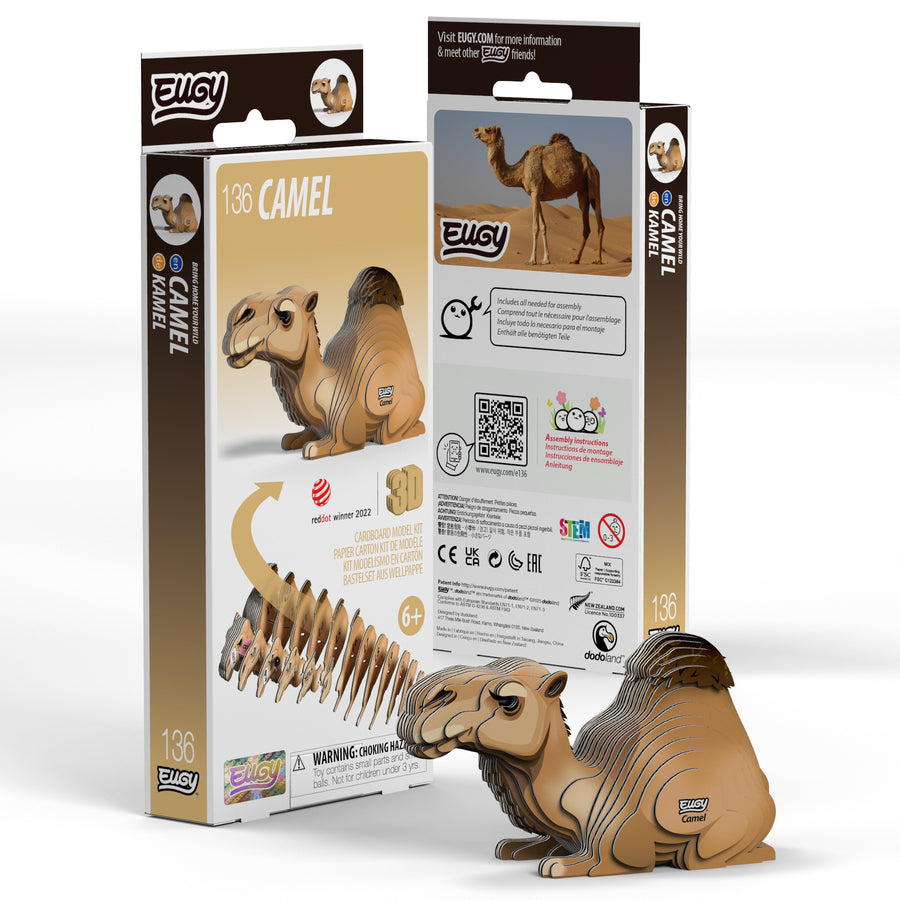
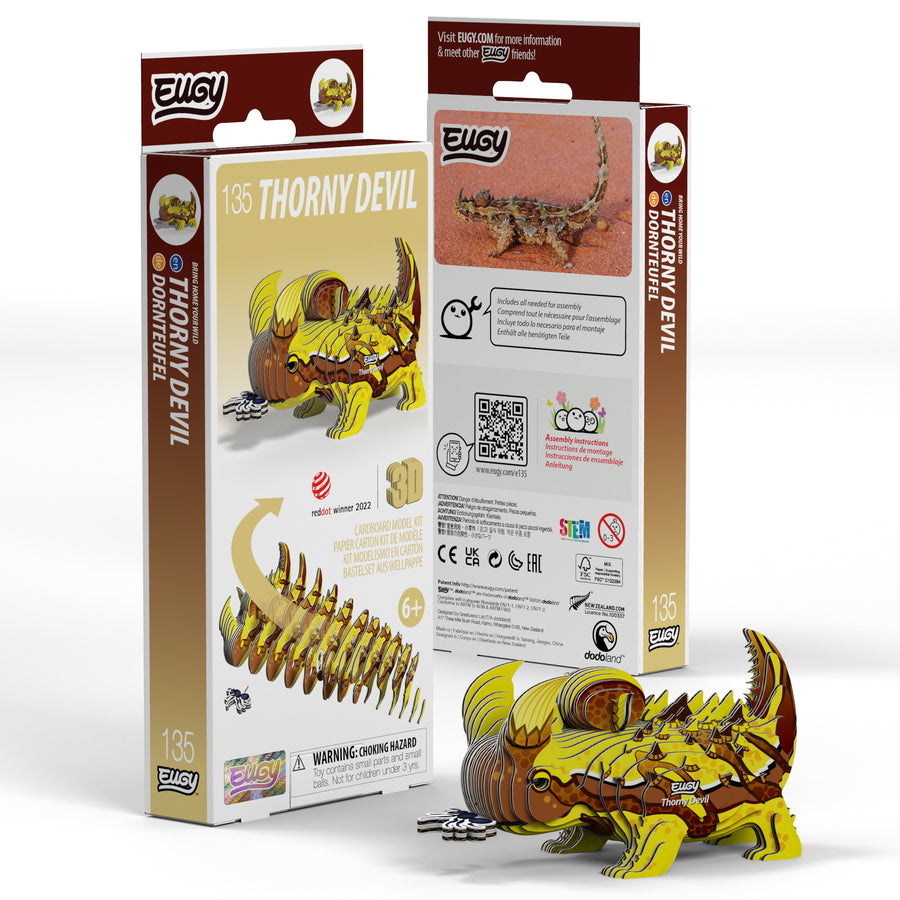
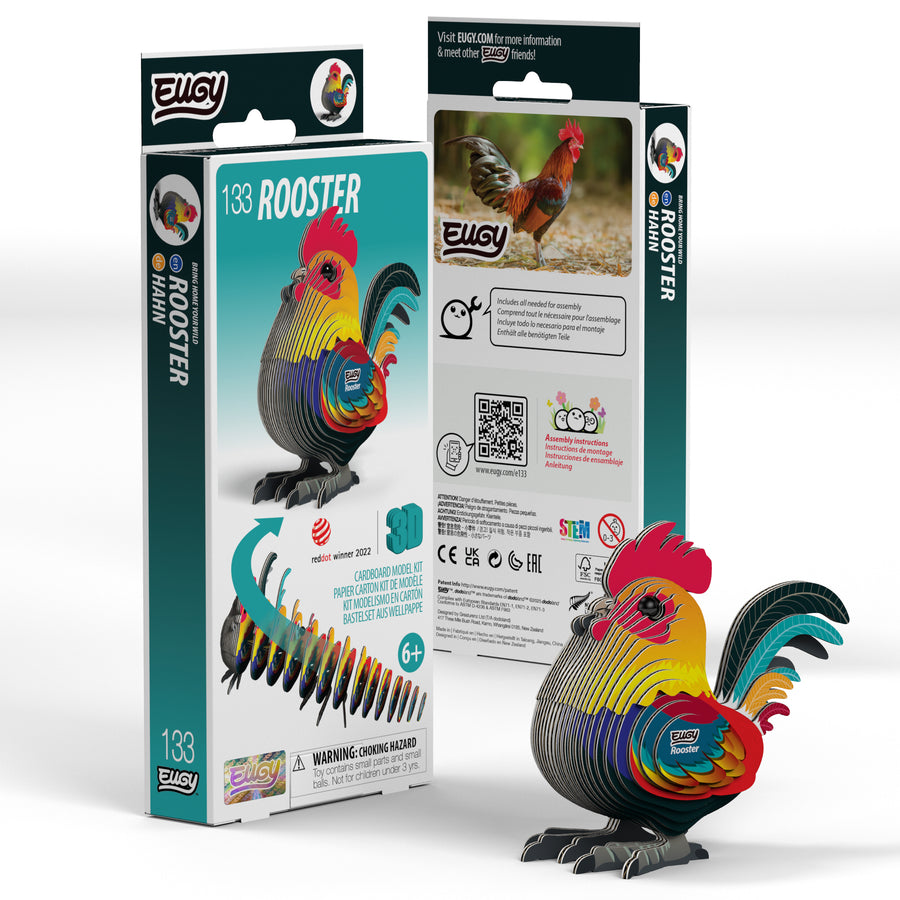
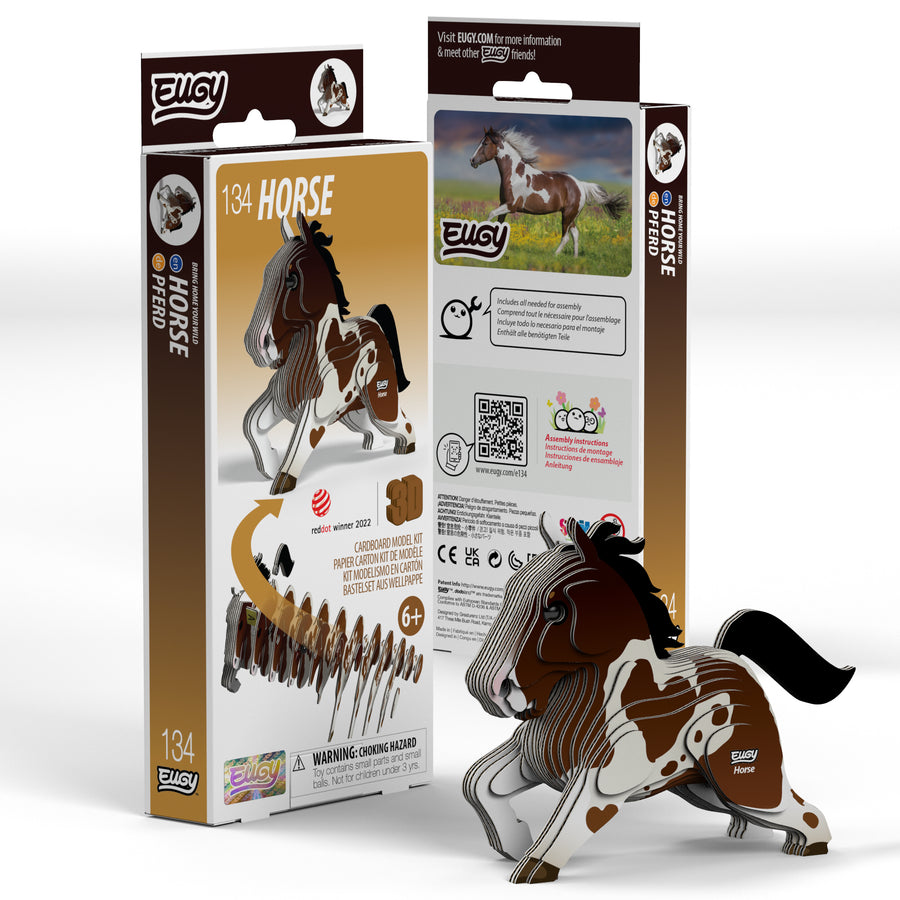
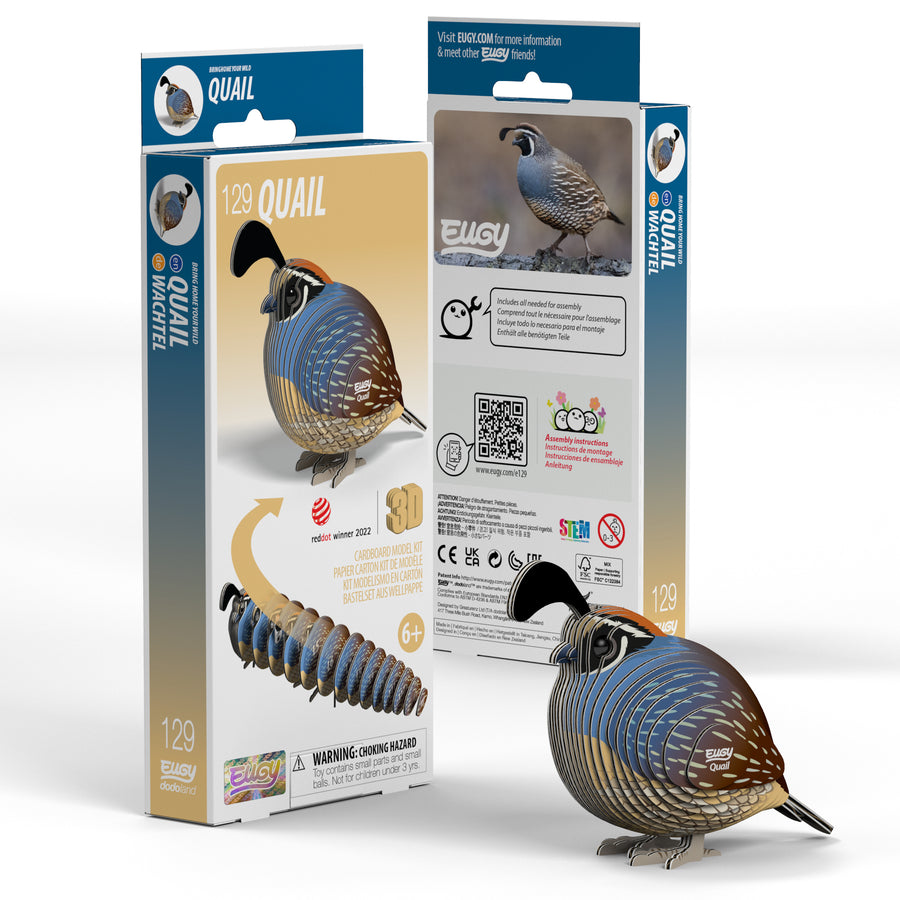
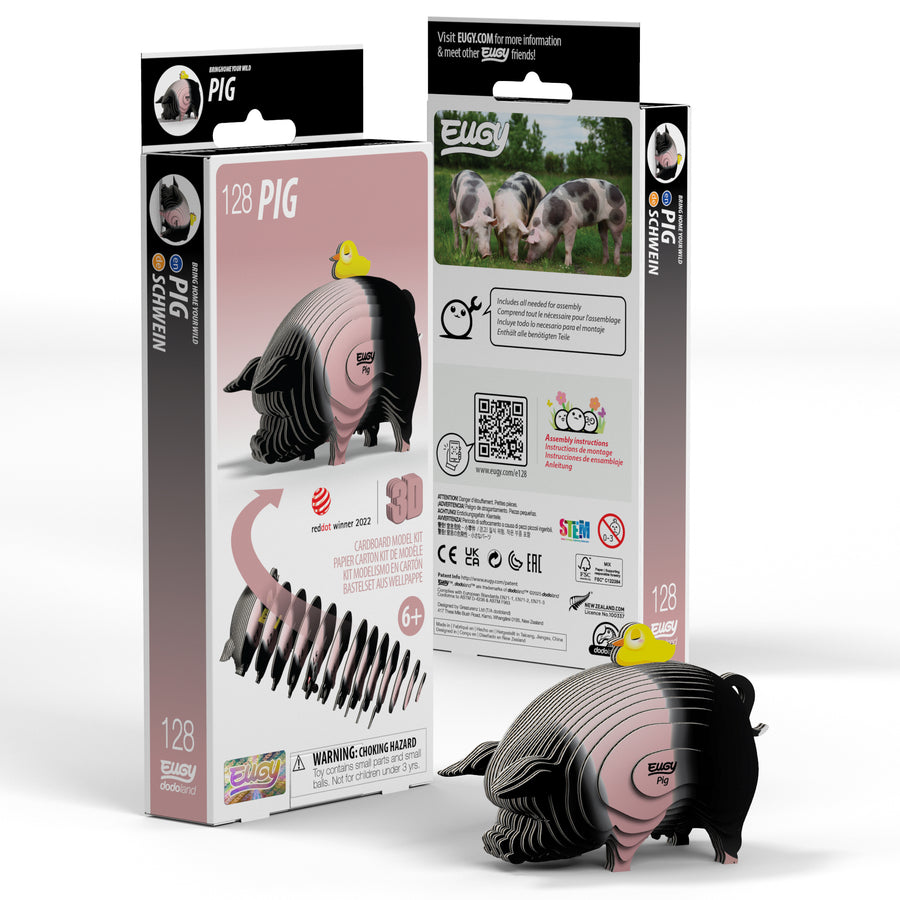
Open-ended options that grow well with your child at this age include:
- Figurines that invite storytelling
- Puzzles with more than one solution
- Early building systems that allow experimentation
Parents often notice longer play sessions now. Children return to the same toys across several days, not just minutes.
Many parents find that these play sessions also support friendship skills like sharing, turn-taking, and role negotiation ideas explored in Safari Ltd’s guide on 5 Ways to Teach Kids Social Skills Through Play.
Preschool to Early Elementary: Building What They Imagine
As children approach kindergarten, the way they play starts to change. As a result, kids don’t just grab pieces to see what happens anymore. They start trying to build something based on what they see in their minds.
Blocks and building sets are still important at this age, especially when kids move beyond stacking and knocking things over. They begin building things that look like real places, such as houses or roads.
As kids start paying attention to how pieces line up, a Magnatiles Classic Building Set can help make those connections visible. The magnets hold firmly but come apart easily, which lets kids keep changing their ideas as they build.
Color and shape add more for them to absorb and play with in the Tileblox Rainbow Magnetic Building Blocks. Kids can take the set’s vibrant pieces apart and rearrange them, encouraging new approaches when they get new thoughts.
One day, a child builds a tall tower. The next day, the same pieces become a house or a road. Sometimes the house or road they built the day before is still there the next morning. Then, the child can go right back to it and start playing whenever they’re ready.
Parents often notice that these setups stay out longer now. Play doesn’t end when the pieces are put away. It continues when the child comes back.
That kind of play reflects Play Your Way exploration in real life. The toy stays open, and the child decides what happens next.
Elementary Years: Teaming Imagination With the Rules
As children get older, play gains more complexity. Games develop rules. Stories become more detailed. Open-ended toys still belong in this stage. They simply support more structure.
Figurines, for example, may be used to act out lengthier narratives. Games become more strategic, and challenges replace novelty.
Parents sometimes worry that toys lose relevance when this happens. Screens compete for attention. Interests narrow. No need to worry since open-ended toys counter that shift by staying conforming and staying flexible. They invite participation without pressure.
Creative Play: Art as an Open-Ended Outlet
Not all imaginative play relies on characters or structures. Instead, play types, like arts and crafts, focus on creating as a way to support open-ended play. Options like yarn crafts and jewelry kits build skills gradually and leave room for exploration.
Younger children focus on color and texture. As kids get older, they begin planning projects from start to finish. The same materials work at both stages. What changes is how they’re used.
When that happens, parents often notice creative play slowing things down. Focus deepens and lasts longer without feeling forced.
Outdoor Play: Open-Ended Play in Motion
Imaginative play doesn’t have to stay indoors. Outdoor toys bring open-ended thinking into movement and space, while boosting gross motor skills.
Simple tools invite invention. A ball becomes many games. A set of markers or cones turns into a course. The play changes based on who joins in and how much room kids have.
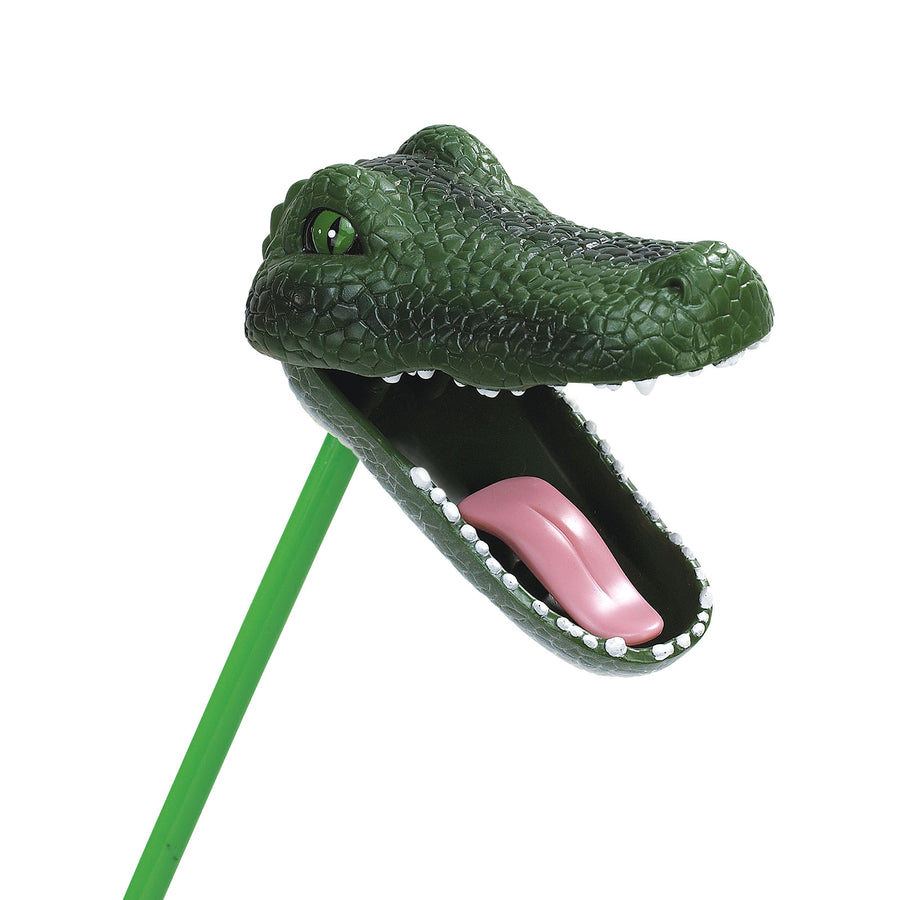
Safari Ltd has a great selection of active outdoor toys, including:
- Paddleball and pickleball sets: Introduces competition among friends as kids get older
- Stepping stones: Kids can skip and watch their step on pretend terrain
- Nightballs: Makes it possible to keep playing safely once daylight’s gone
- Popdarts: Encourages aiming and spacing. Fuels creativity.


Why Kids Don’t Lose Interest in Open Ended Toys
Open Ended toys don’t lose their appeal as time goes by. That’s mainly because they don’t lock kids into one way to play. Kids aren’t pushed to finish something and move on. They can use the same toy differently as they float new ideas for using it.
When the child comes back with this new idea, the toy fits for different use. Something that once supported simple play can take on a new role later, without needing to be replaced.
Parents see this happen without really thinking about it. The same toy shows up again, but it’s being used differently. There’s more going on in the play than there was before.
That pattern reflects Play Your Way exploration and activities in real life. It also supports play for every age and every stage, without forcing children to outgrow their toys.
Choosing Toys That Grow with Your Child
When shopping for toys by age, it helps to look beyond labels. Think about how a toy might change roles over time.
A few questions help guide decisions:
- Can this toy be used in more than one way?
- Does it leave room for imagination?
- Will it still feel relevant as my child grows?
These questions reduce guesswork. They also lead to toys that stay in use longer.
Safari Ltd designs open-ended toys that support Play Your Way exploration. These toys are made to support play for every age and every stage.
If you’re ready to move away from short-lived toys and toward play that grows with your child, Safari Ltd’s open-ended collections are a great place to get started.

