
Spare time often appears between plans. It slips into the day after school, lingers before dinner, and stretches across slow weekends at home.
Parents often pause, wondering what to do with free time. After all, screen time feels convenient, and schedules already feel full. But imaginative play offers a steady answer. It feels relaxed, open, and surprisingly rich.
Kids learn at their best when play leads without pressure. Open-ended tasks don’t steer toward a fixed result. Rather, they invite curiosity. A few figurines on the floor can make spare minutes feel truly natural, not planned carefully.
Why Free Time Matters
Childhood moves quickly, with expectations arriving early and days filling up faster than many families expect.
Play without structure gives youngsters time to think and reset. They get to pick what happens next and adjust easily when ideas shift. Those small decisions support confidence and independence.
Parents benefit, as well. Free play removes that urge so many grownups feel to guide every moment. Watching children lead might actually reveal new interests that unplanned activities overlook.
Toys That Invite Imagination
The most effective play tools stay flexible. They respond to a child’s ideas instead of orchestrating them. Simple figures often inspire deeper fun than models with fixed rules.
Engaging figurines work well because they leave stories open. Farm animals, jungle creatures, sea life, dinosaurs, and even fantasy figurines all can shift roles easily as play unfolds. A toy may support a nature study today and a made-up adventure tomorrow.
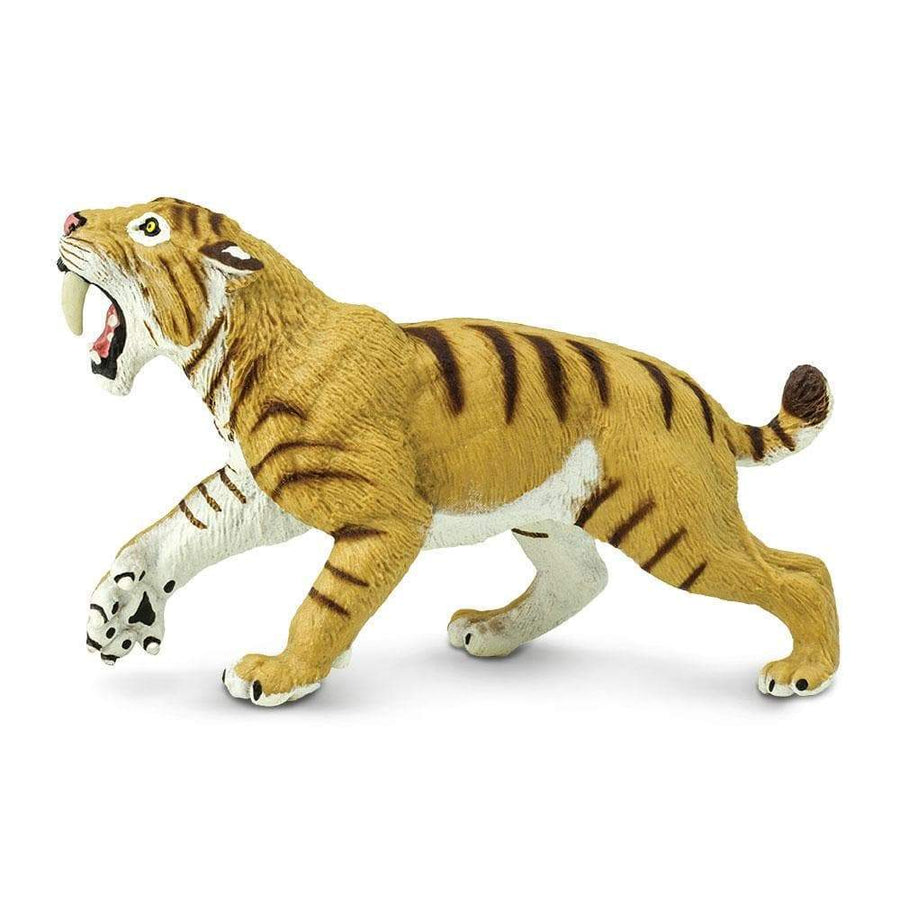


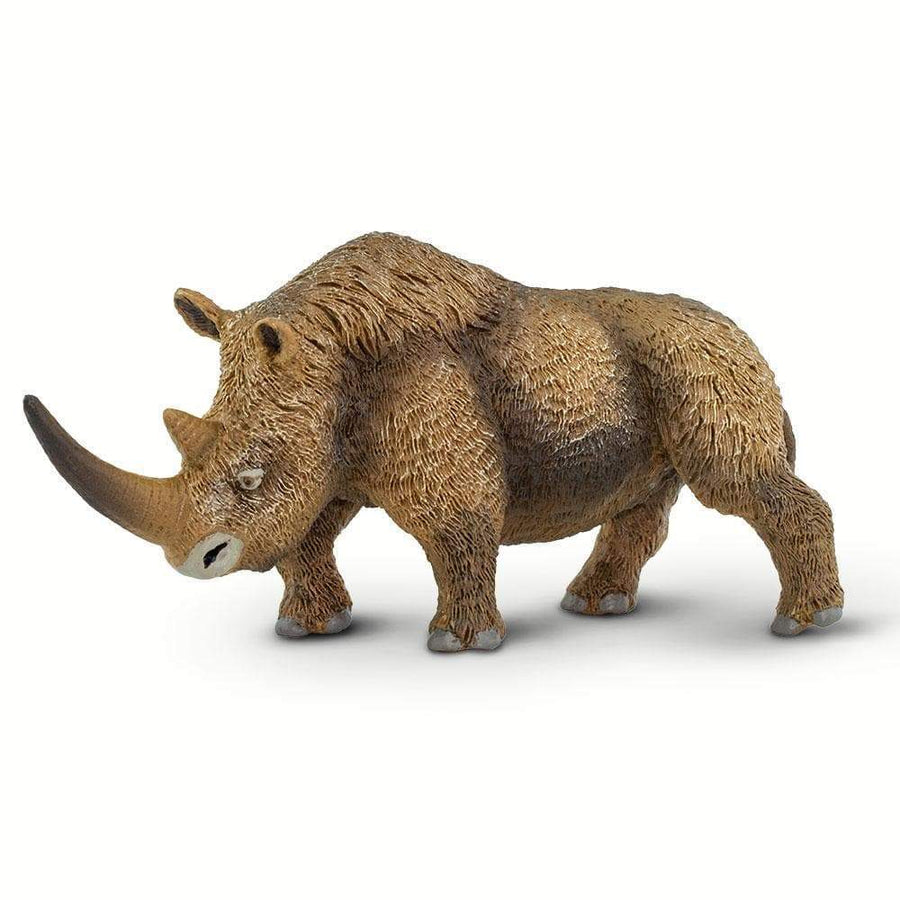
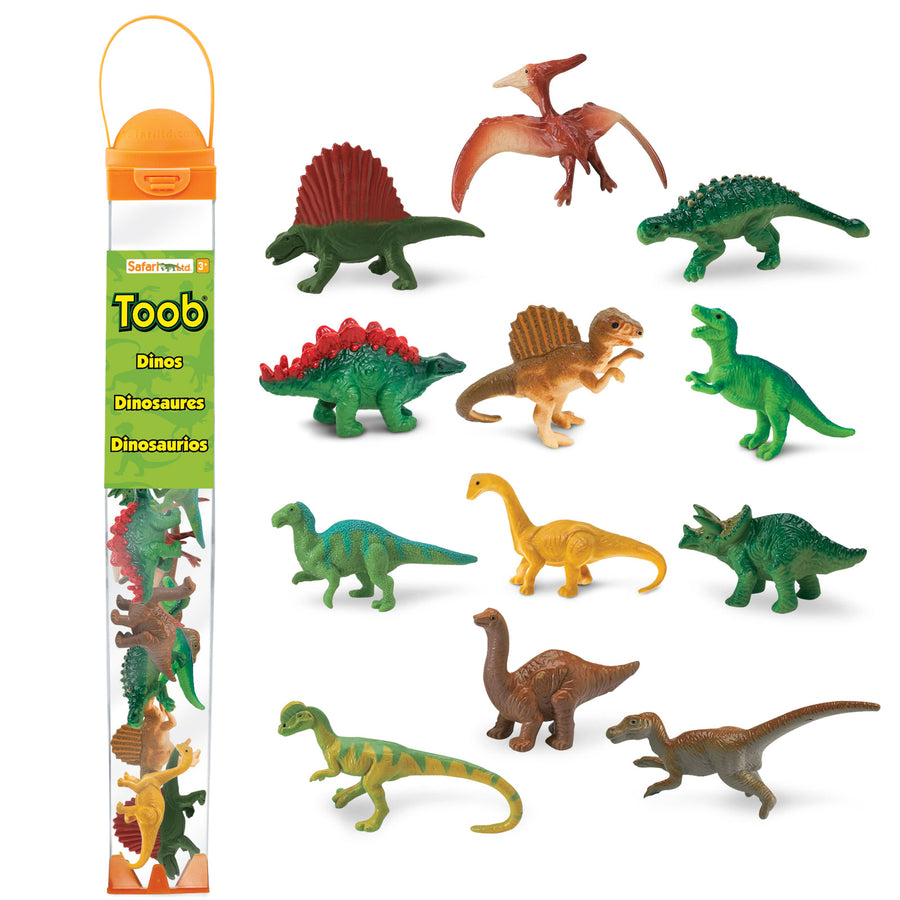
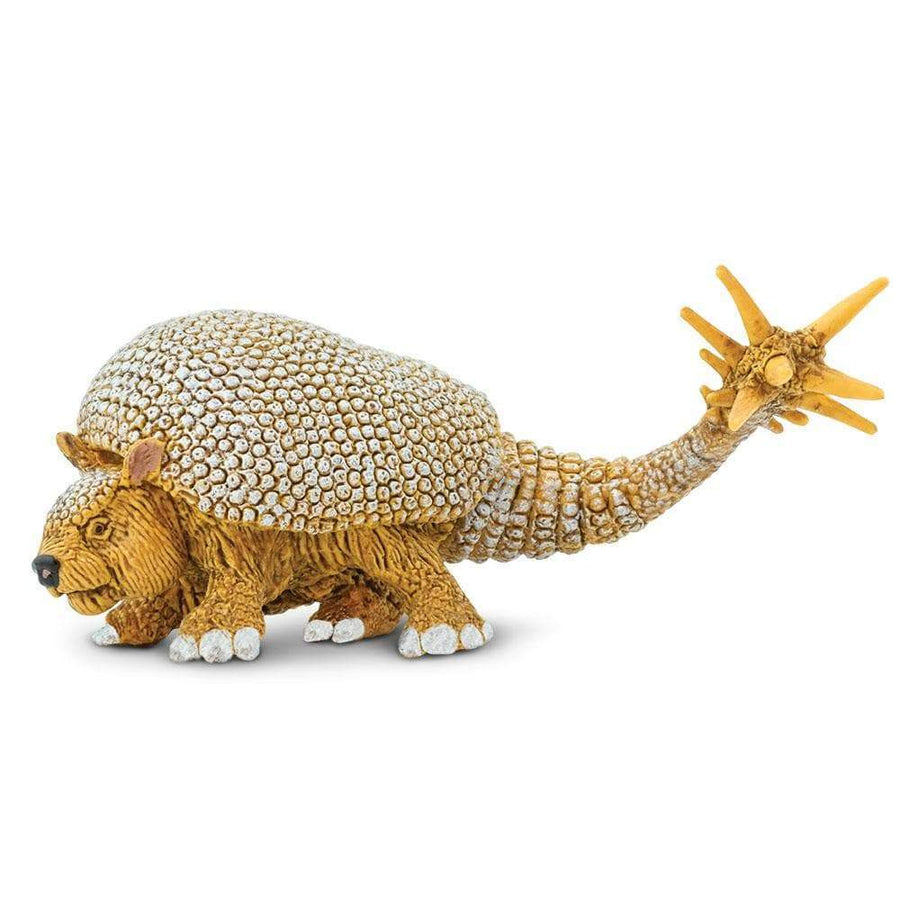
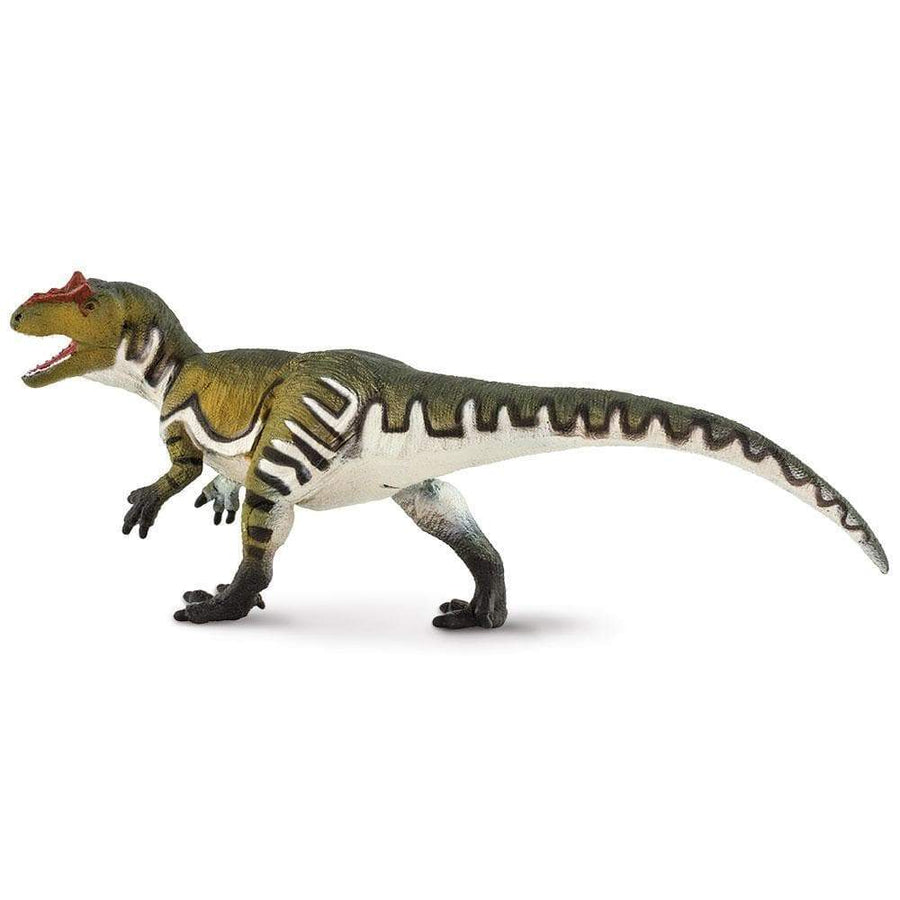
Many families begin with figurines because of their lifelike detail and sturdy design. Children notice texture, as well as scale and expression, details that hold attention longer and encourage more focused play.
Filling Spare Time Without Overplanning
Open-ended time benefits from a lighter touch rather than a tight agenda. Light prompts often spark more creativity than step-by-step instructions.
A few simple approaches help play begin:
- Place a small group of miniatures near fabric, blocks, or natural objects.
- Ask a single open-ended question, then step away.
- Leave a half-built scene out for later return.
The option all supports choice. Children decide how long play lasts and where it leads.
Building Big Stories With Small World Play
Small world play comes organically to many children. Children recreate the world in manageable pieces. Figures stand in for real wildlife or perhaps the most wondersome characters. Likewise, everyday objects get conjured into landmarks within the scene.
Toobs collections facilitate playful exploration with themed sets that feel complete without being crowded. Tales can unfold across short bursts, or they could evolve over longer stretches of time. Children revisit scenes and adjust details as ideas expand.
Narrative skills develop intuitively as children dive into sequencing, as well as cause and effect. They even become familiar with emotional expressions without formal lessons.
Learning Along the Way
Imaginative play supports learning quietly. Children navigate new ideas through experience, not instruction.
Pretend creatures might get kids asking questions about things like behavior and various habitats. Dinosaur models introduce ideas about eras of time and scale.
STEM science kits encourage hands-on discovery during free play. Children test ideas. They recognize different nature’s beautiful designs before drawing conclusions wherever their minds lead them.
Parents often recognize all the learning later on. New words appear in conversation. Questions surface at dinner, and drawings often begin to reflect earlier stories. Ultimately, extra time plants the seed.
Outdoor Play to Shift the Energy
Fresh air reshapes play. Outdoor spaces add movement, as well as texture and unpredictability. A backyard becomes a habitat. Or an entire expedition might take place in a nearby park.
Outdoor toys pair well with imaginative outside play. They interact with real leaves and dirt, with kids sometimes inserting water into their fun. Children blend observation with storytelling.
Outdoor free time also supports physical movement. Scenes stretch across wider spaces while play feels active without feeling rushed.
When Open Time Feels Challenging
Some children struggle with those unstructured opportunities. Too many decisions to make can begin to feel a little – or a lot – overwhelming. That’s why screens so often feel like the easier way to go.
Providing a gentle framework can help:
- Offer two play choices instead of many.
- Start a simple setup together.
- Rotate the toys to renew attention.
- Keep materials visible and easy to reach.
As children learn how to enter play on their own, their confidence starts to grow right alongside the repetition.
Collecting as Creative Play
Play does not always look busy. Some children enjoy arranging, sorting, or displaying.
Collector’s models appeal to children who enjoy all the special details. Figures invite comparisons and deliberate, thoughtful presentation.
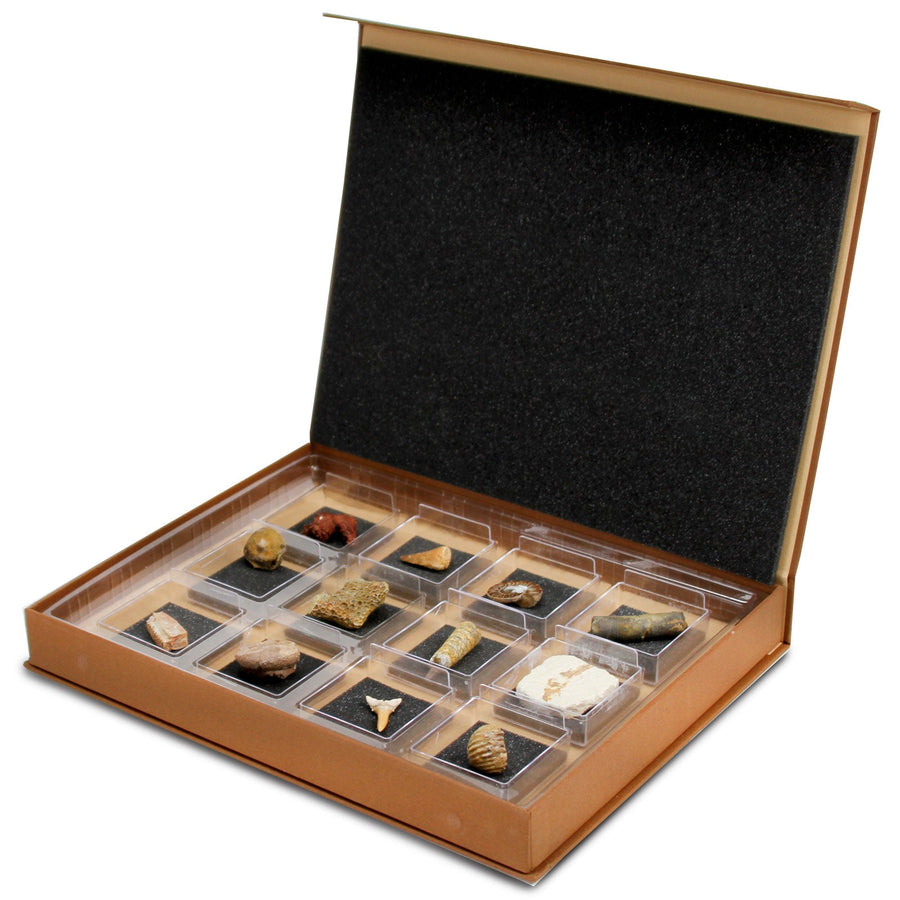
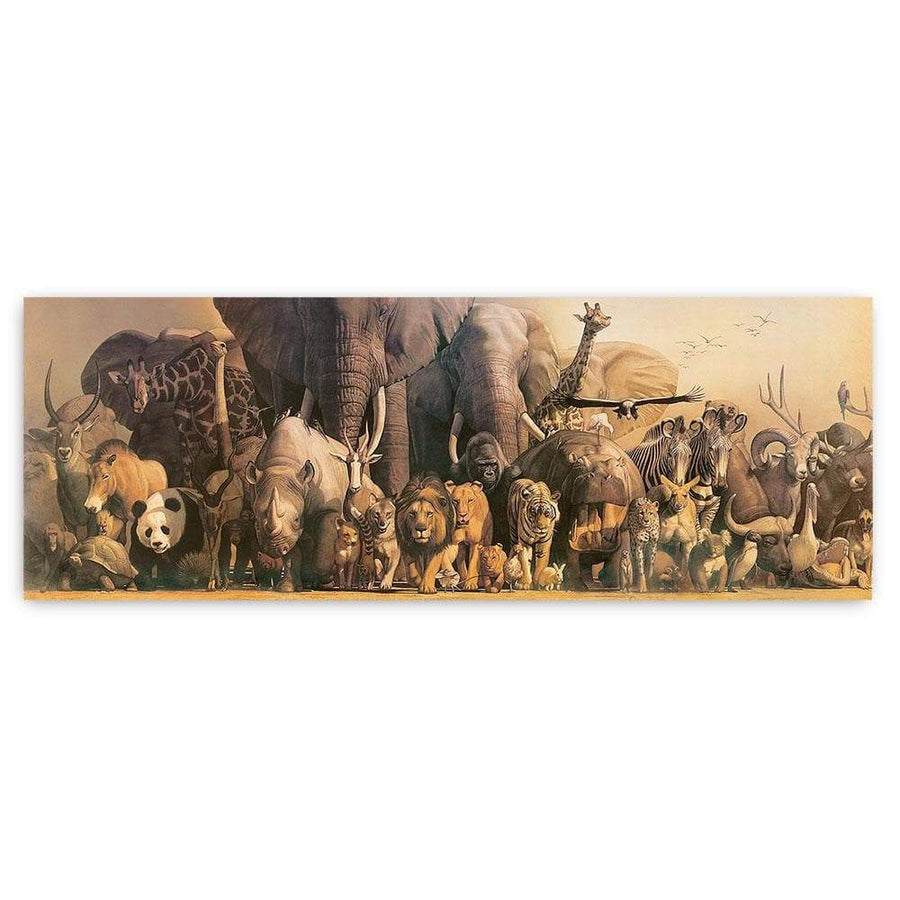
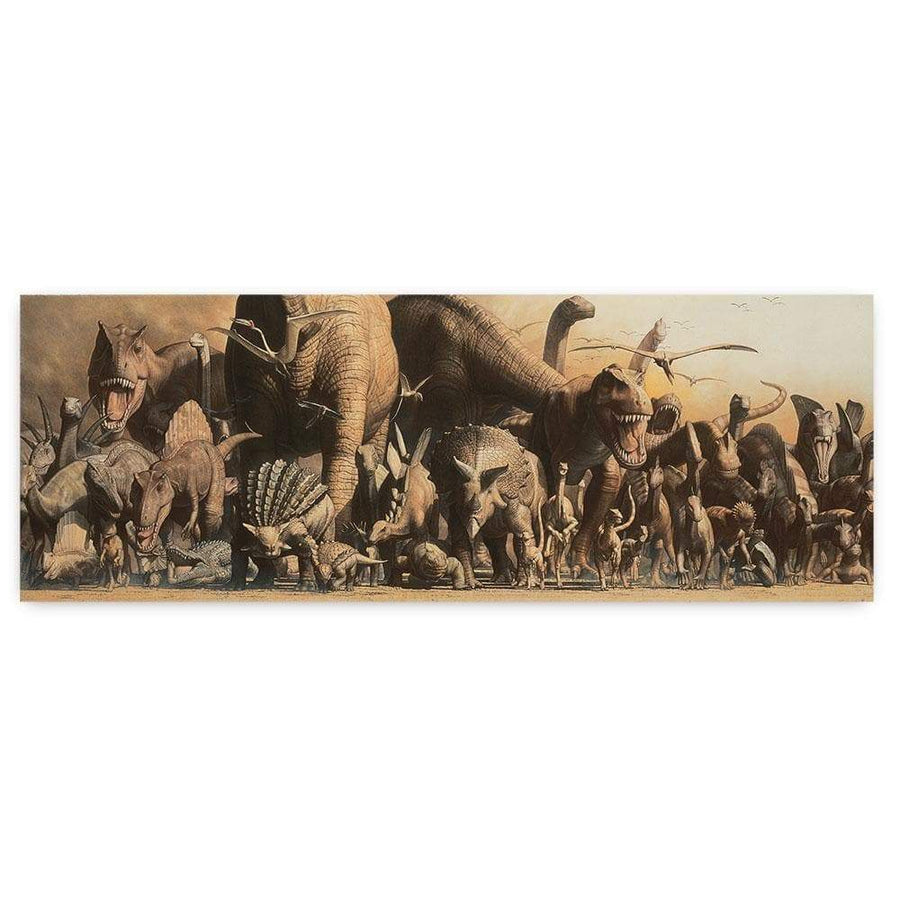
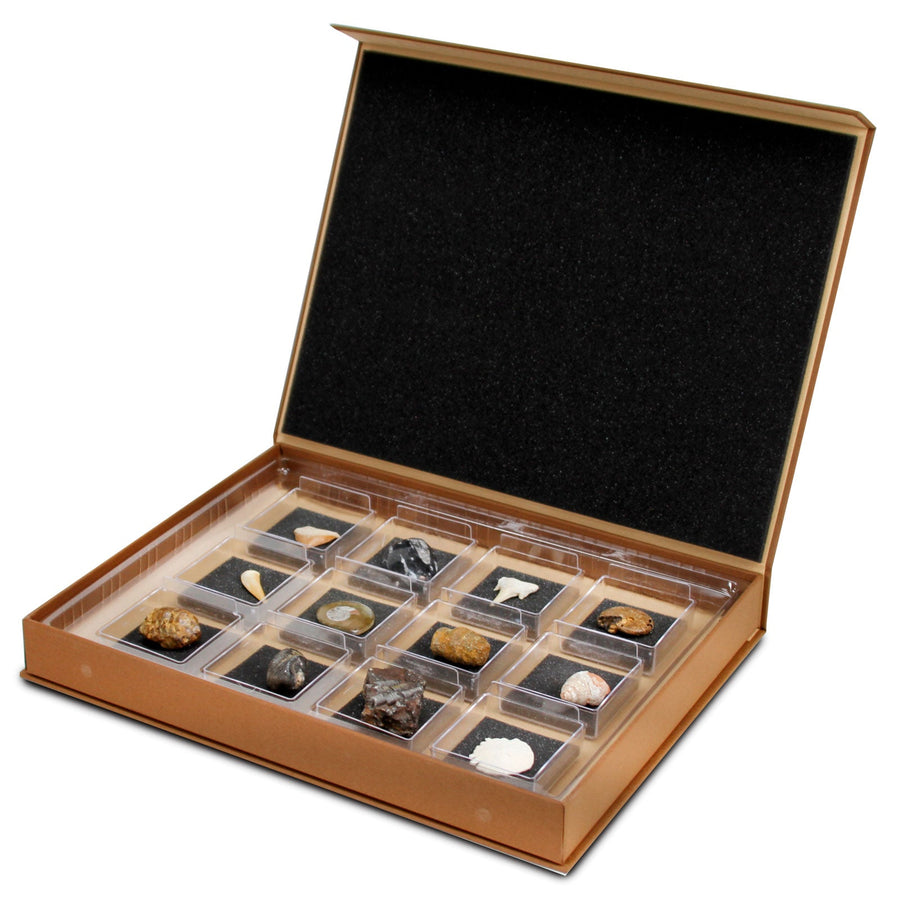



Displays shift as interests change. For example, a figurine may leave the shelf for a story, then return with new meaning.
Books to Extend Imagination
Stories deepen play. Books introduce ideas and language that children carry into their own worlds. Their settings expand kids’ horizons.
Many books can be paired naturally with toys and science kits. Reading about wild animals or history often can lead to all new scenes on the floor or outdoors.
Indeed, books and playthings reinforce each other without effort.
Leaving Space for Boredom
Boredom can feel a tad awkward, verging on uncomfortable at first. It also makes way for ideas.
When adults resist filling all the quiet moments, children learn to endure uncertainty. Imagination often follows. Leisure time shifts from a gap to fill into space to explore.
Open-ended activities support this type of break. They wait patiently and invite a child to return without added pressure on kids or parents.
Toys that Grow With the Child
The best play materials adapt as children change. Younger kids tend to focus on things like movement and sound. Older children might even build layered stories or seek real-world facts that complement their play activities.
Children tend to reflect during play more as they mature. A figure once used for simple movement may later anchor a detailed story or give birth to questions about how situations occur in real life.
This sort of shift shows growth without new rules or new expectations.
As a result, families often notice familiar toys reappearing during different childhood stages.
Free Time Doesn’t Need an Outcome
Spare time holds value on its own. It does not need to end with a product or performance.
When families ask what to do with extra time, imaginative play offers a calm answer. A few thoughtful models, space to explore, and trust in children’s ideas create some of the most lasting childhood experiences.
Supporting play that feels more open and flexible – and joyful – makes a lasting difference. Imagination really thrives if you just give it the freedom to grow.

