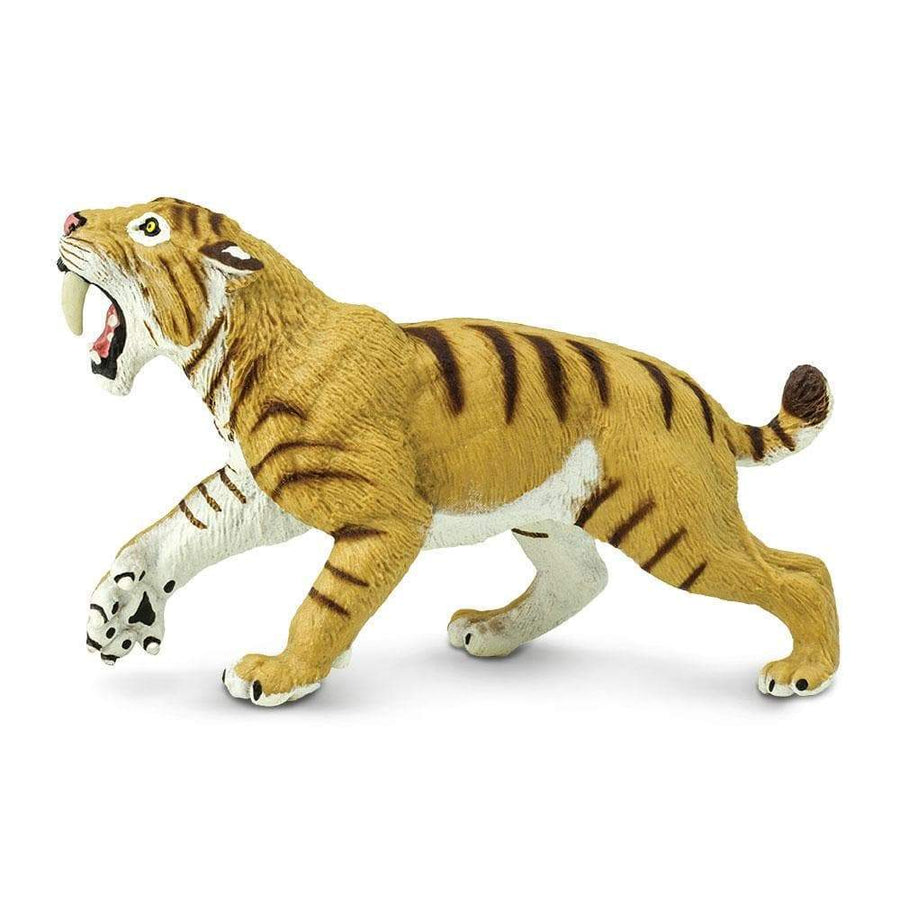
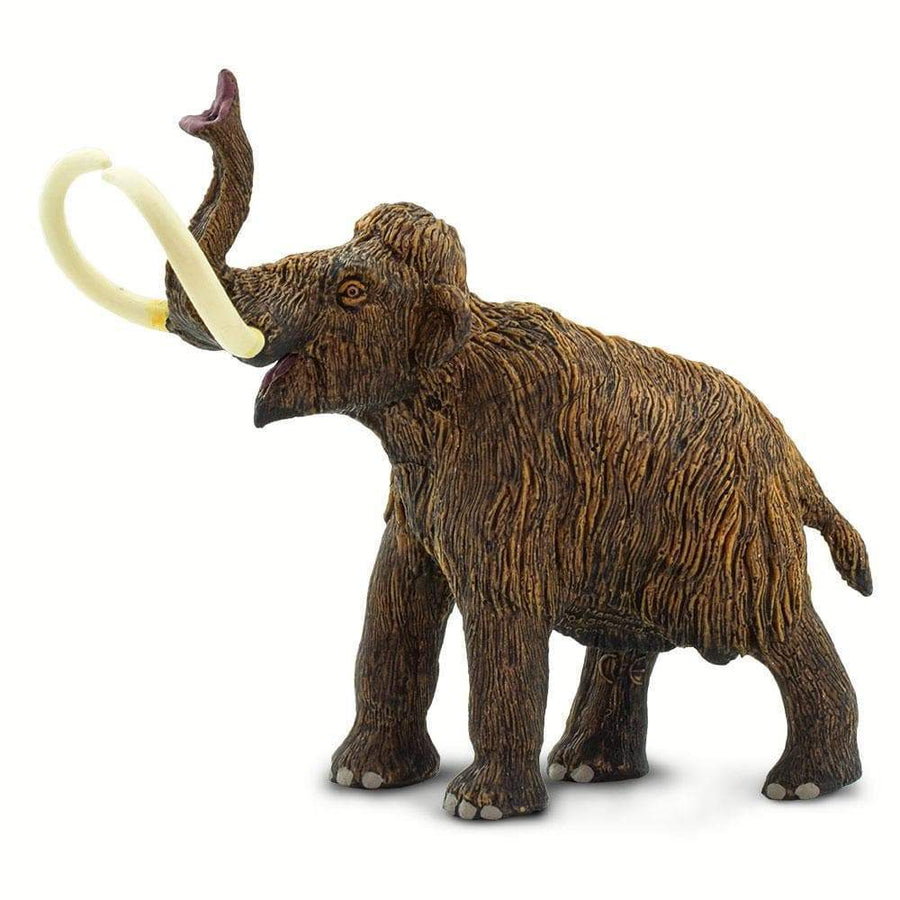
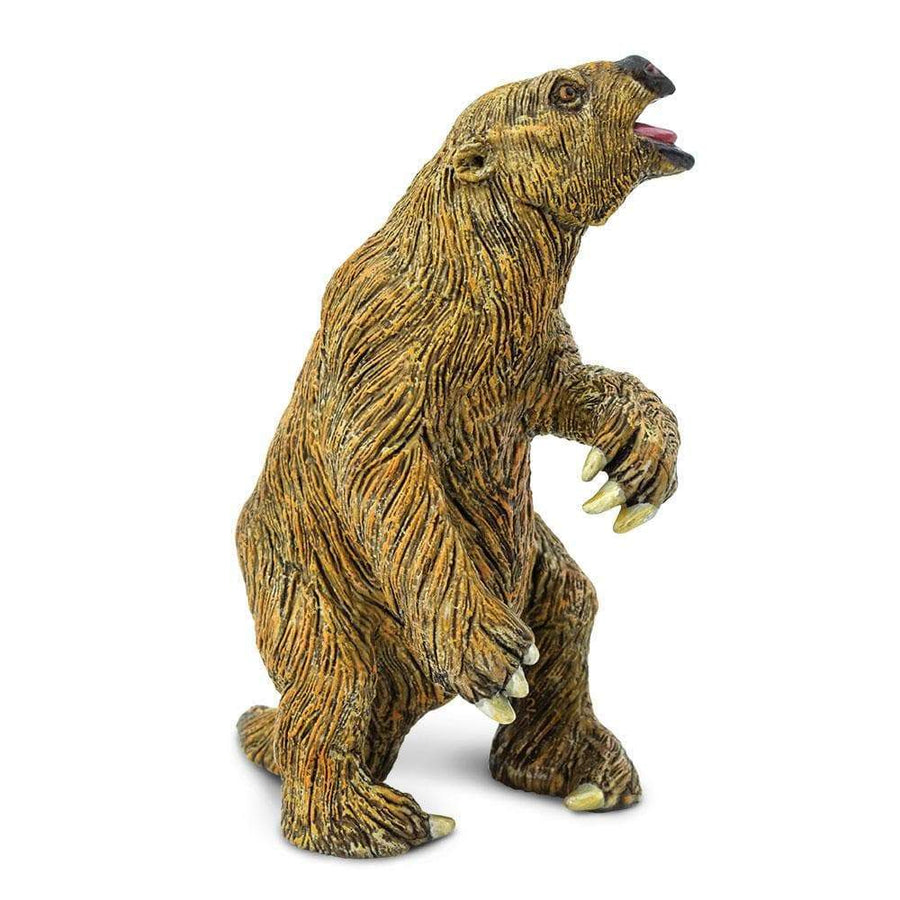
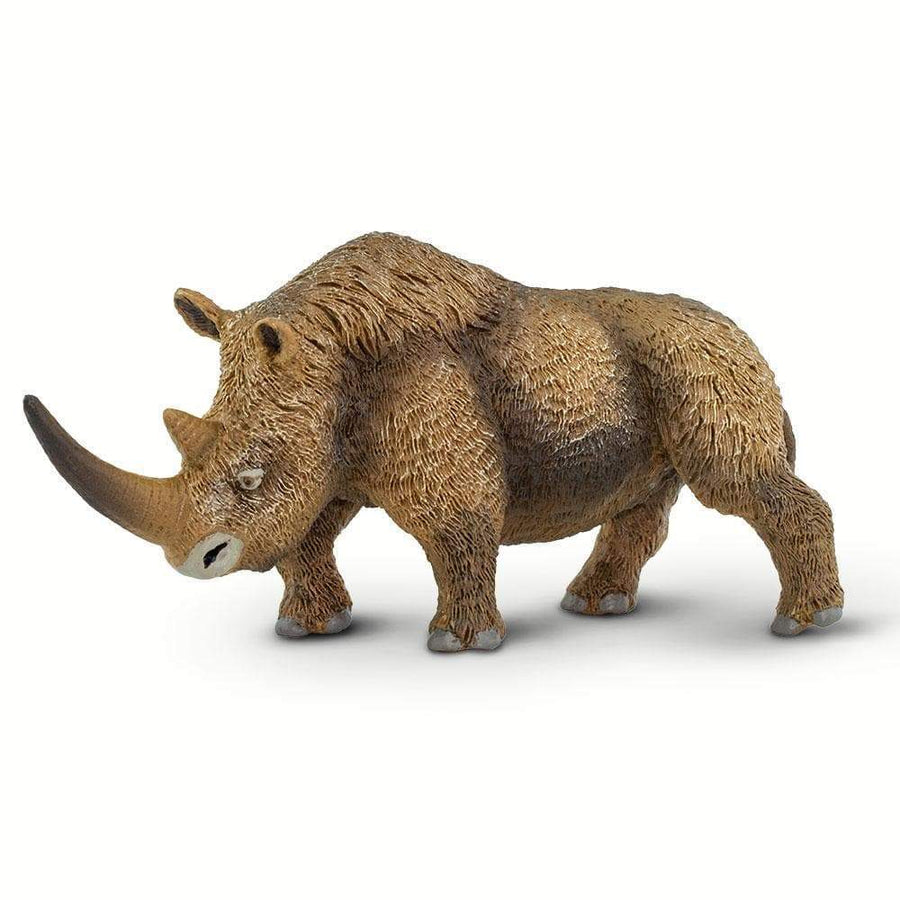
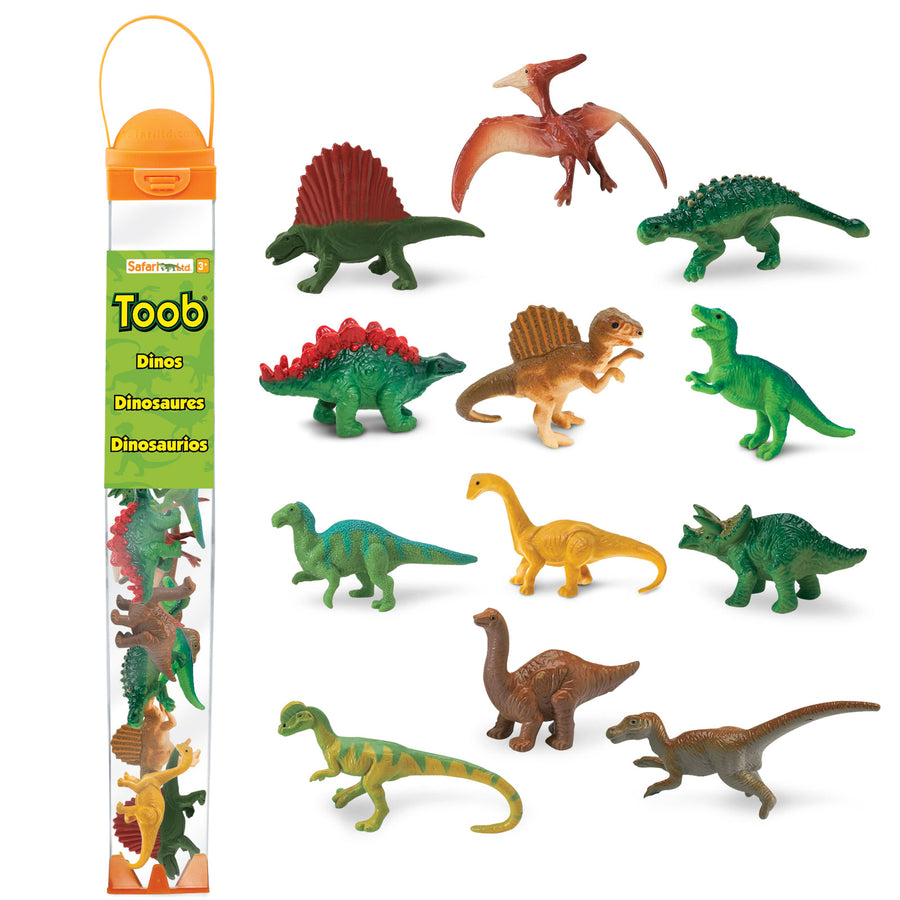
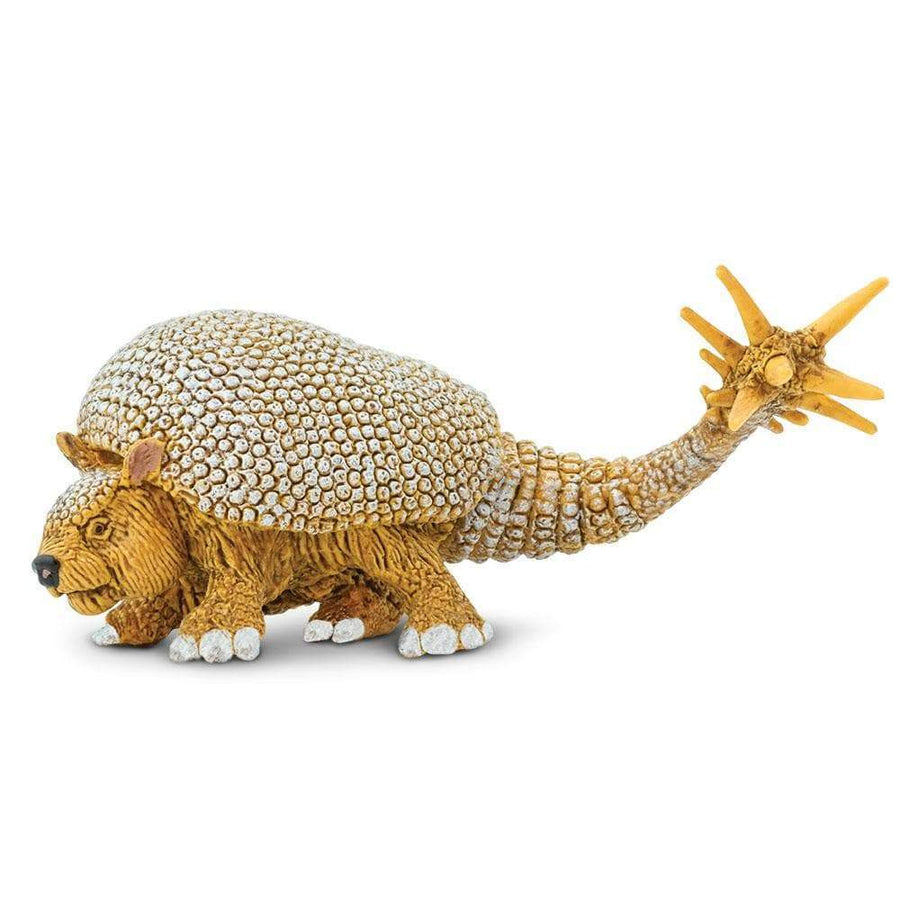
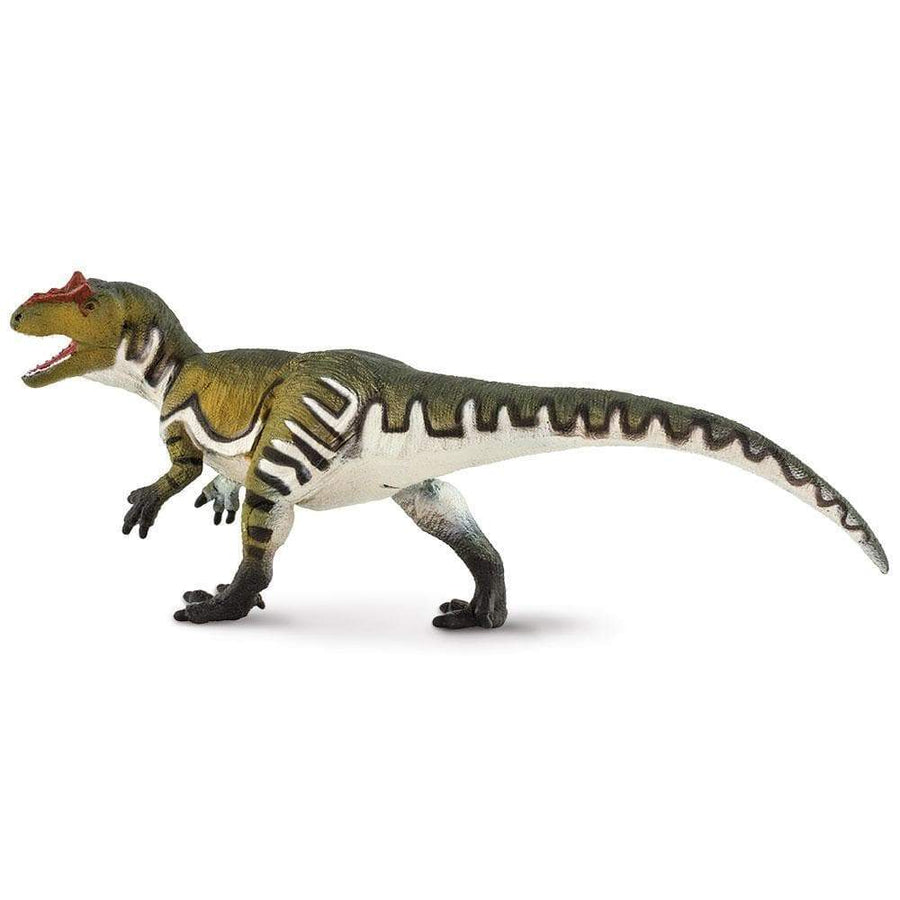
Tiny, colorful animal figurines scatter across a table or classroom rug as children lean in, point, and begin comparing the lifelike creatures. These toys already invite children to invent stories and test their own ideas during playtime.
But animal toys are more than everyday objects that stimulate pretend play. They also support science experiments for kids through movement, touch, and trial-and-error instead of worksheets or formal lessons.
Animal figures fit easily into activities that promote close observation, basic predictions, and hands-on testing. Whether you’re finding out if fish float or understanding polar bear habitats, even plastic or wooden figures can encourage meaningful science learning.
From Toy Shelf to Science Tool: What Animal Figures Make Possible
We all remember classic animal toys pulled from a bin or lined up on a shelf. Figurines like TOOBs fill trays, appear in shoebox habitats, and even float in water tubs. The miniature toys work well for experiments that can be rearranged and checked again over time.

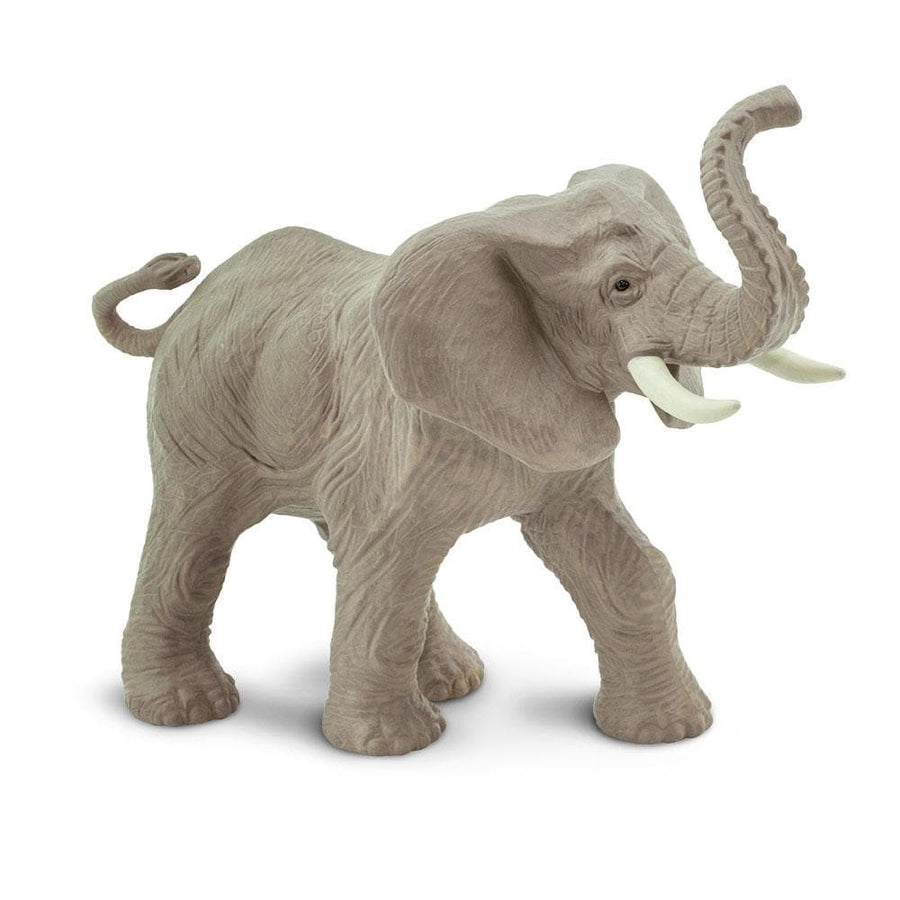
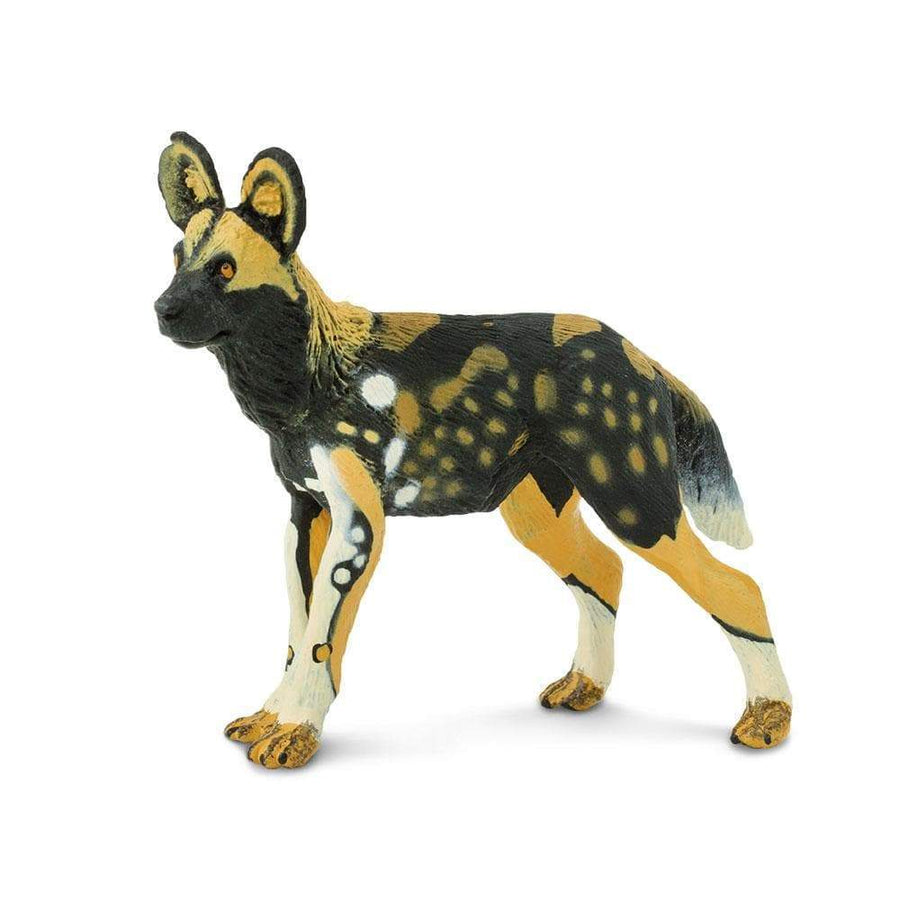


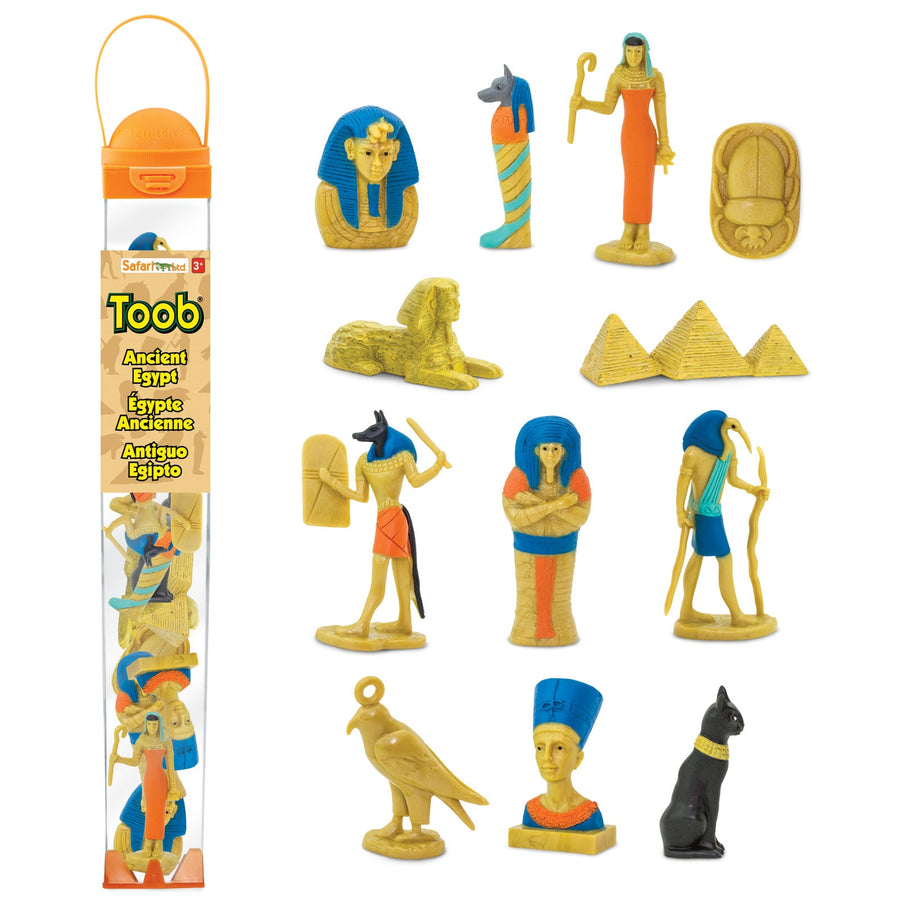
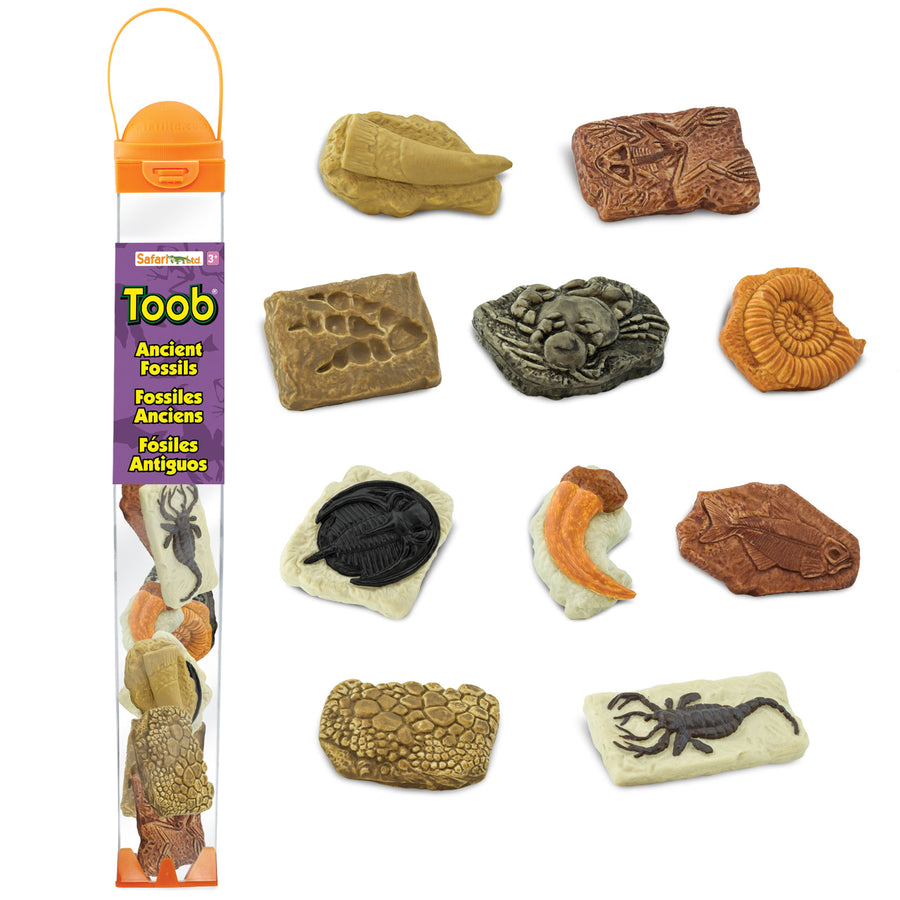
Animal figurines draw kids back to desks or windowsills to turn a model on its side or replace it with another animal. They may decide to slide it into a new spot. Even small changes let young learners try out ideas and notice results.
When an animal figure gets moved or replaced, it becomes a visible variable in an investigation. Children start to focus on what shifts when one detail changes, rather than learning an entirely new set of materials. As kids create more scenarios with the figures, they begin to spot patterns and cause-and-effect relationships.
Some hands-on tests even prepare them for lessons in biology, physics, and other academic pursuits.
Science Experiments for Kids Using Animal Toys
There’s more to animal figurines than collecting and displaying natural-looking models. Even kids who feel unsure about science often respond well to experiments that use familiar animal toys. You’d never guess some of the creative ways to use these little critters.
Why not try a few of these explorations and watch your child light up with glee when you introduce animal figurines?
1. Simple Behavior Studies Through Pretend Observation
Observation is the cornerstone of science, and it’s never too soon for children to sharpen their skills. Animal figurines serve as ideal subjects for straightforward behavior studies.
Assign kids the role of scientists who must watch animal movements. Children will feel like they’re the real deal when they employ clipboards, paper, and drawing pads to record their observations. Once the pretend playtime ends, compare everyone’s observations and discuss what patterns were identified.

2. Habitat Sorting and Ecosystem Matching
Spread animal figurines across a tabletop or the floor and introduce habitats as children begin grouping animals together. Create zones using fabric, paper, or colored mats. Each zone represents a habitat or an ecosystem.


Then children can match their models to the forests, oceans, deserts, and grasslands they created as you discuss details like temperature, water sources, and shelter options. Kids can even closely examine the figurines to compare details like hooves, fins, fur, and feathers to further their biology lesson.
3. Sink or Float Predictions With Sea Animals
In a twist on the classic experiment, young scientists can predict what animal figurines sink and which ones will float. Just fill a clear bowl or bin with water. Line up marine animal pieces beside it.
Pause before the test and let children share their predictions before lowering each animal into the water. Together, watch closely as the toys either float, sink, or bob. Discuss how the results were affected by each figurine’s shape and material.
4. Food Chain Building With Predator and Prey Models
Build a model food chain with your child by arranging miniature animals in a line on the table. Then talk about who eats whom.
Depending on your child’s age and development, you can either add arrows drawn on paper strips to represent energy movement, or just play pretend as the predator takes its prey.
Remove one figure from the food chain, and ask kids to predict how that impacts the circle of life.
5. Life Cycle Sequencing Using Animal Sets
Animal figurines can help illustrate life cycles, as well.
Safariology Life Cycle sets are perfect for this activity. Lay out the animal pieces or life stages in a row from youngest to adult. Then mix up the order of the toys and invite your child to correct the sequence. Should the tadpole come first, or the frog? The caterpillar or the butterfly?
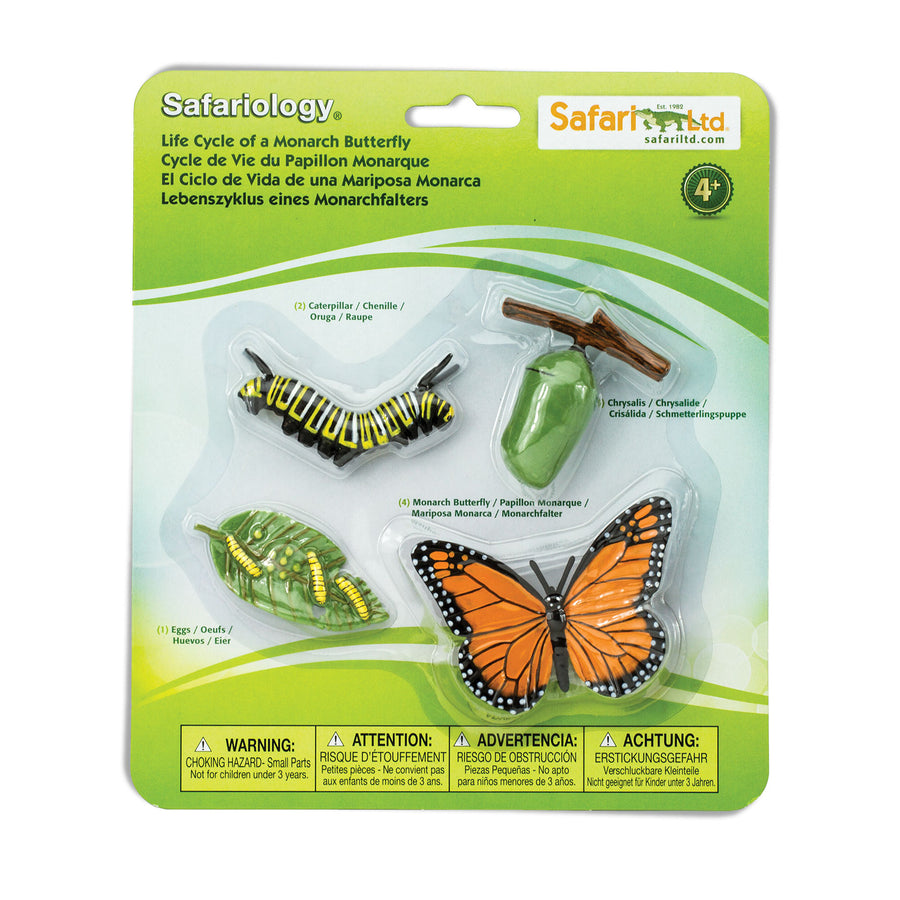
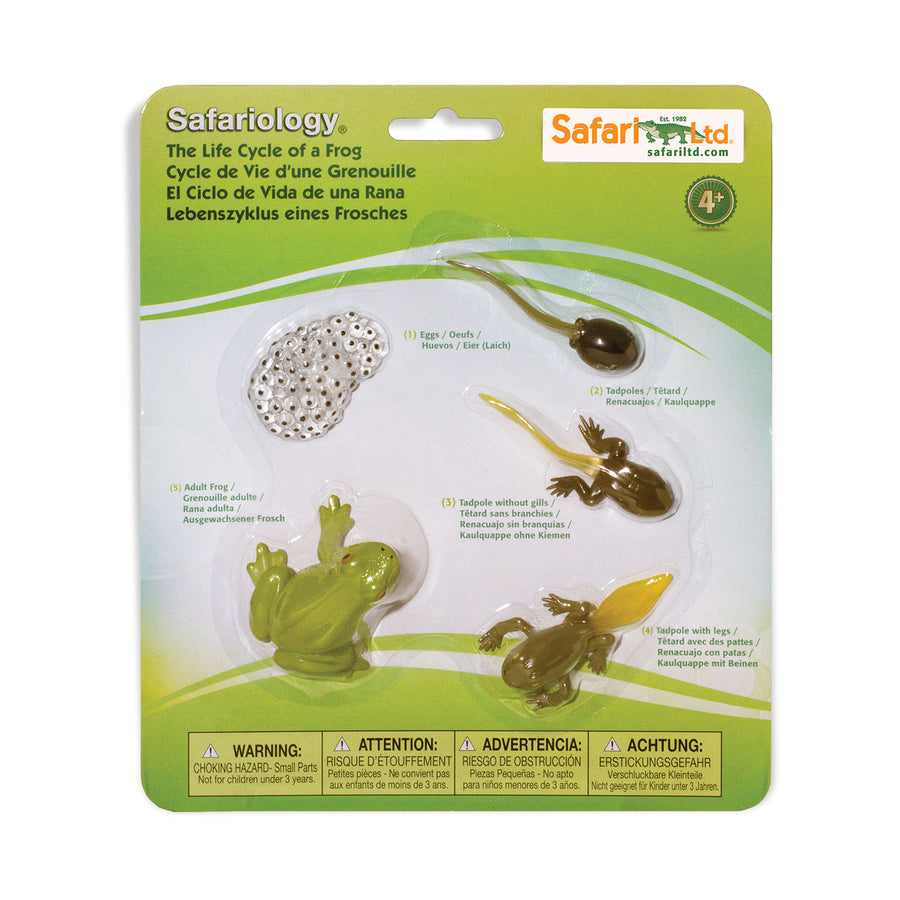
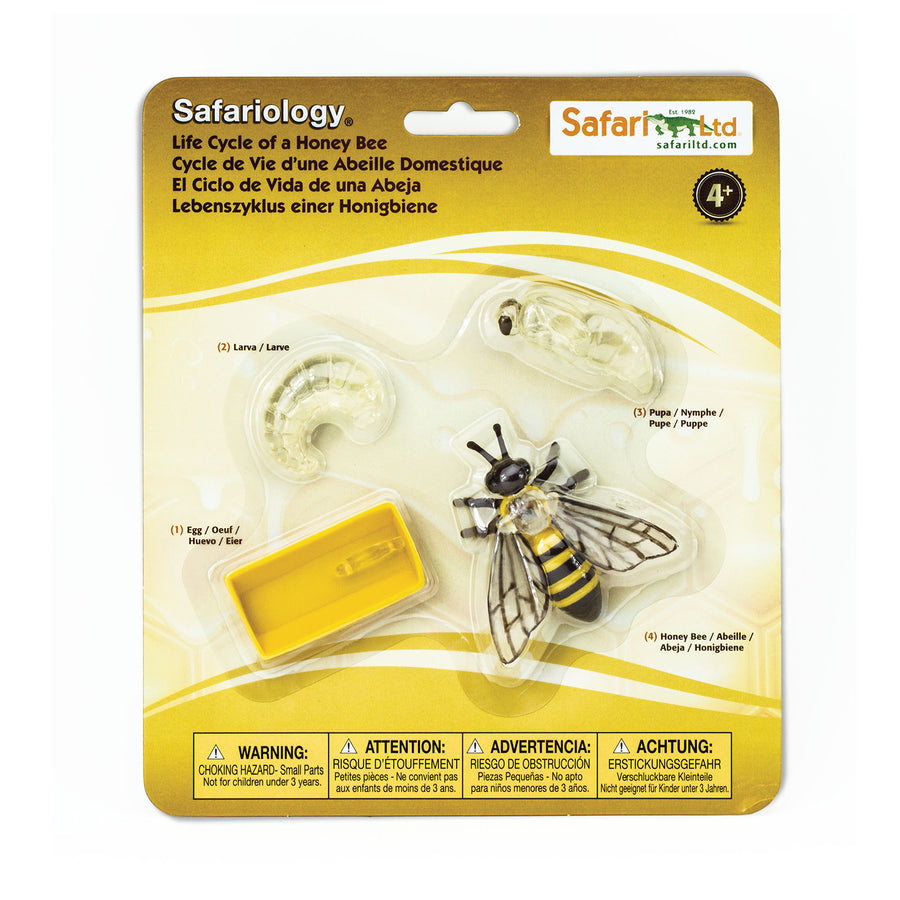
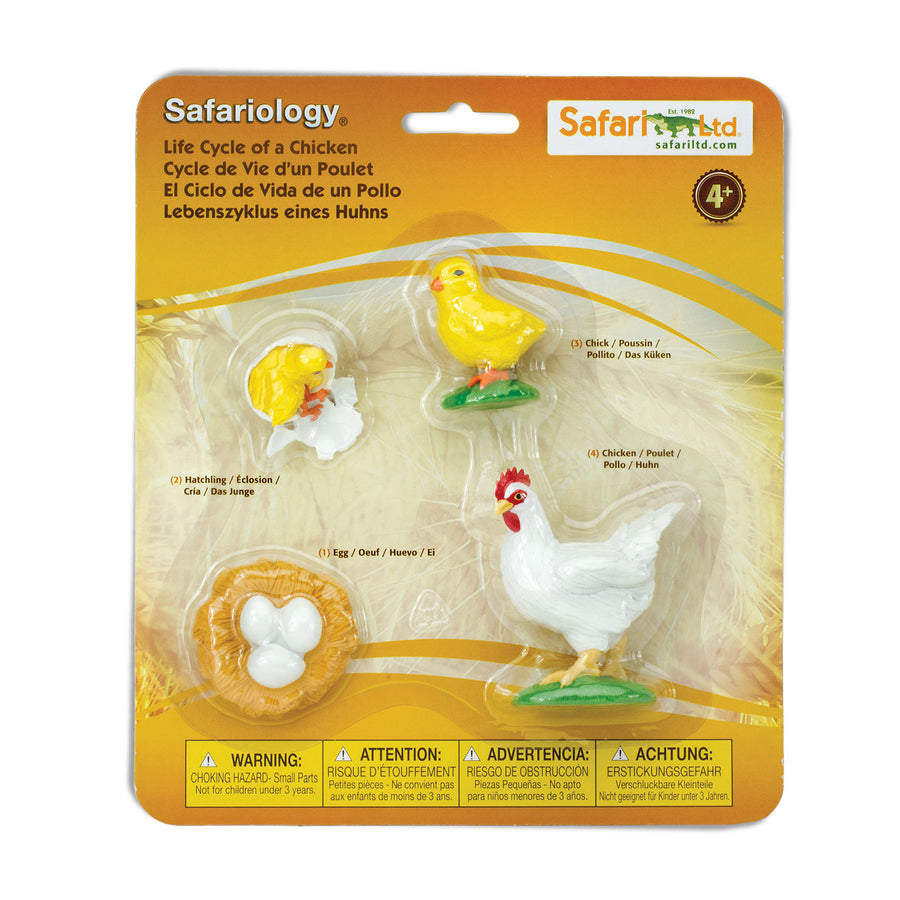
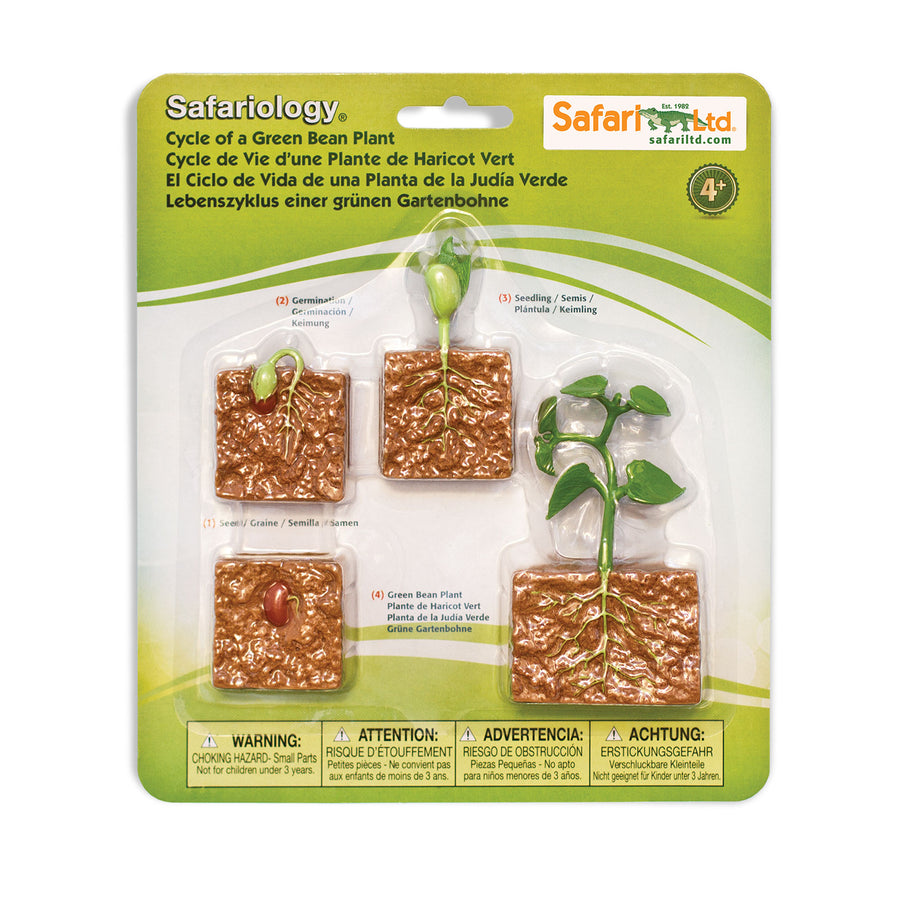
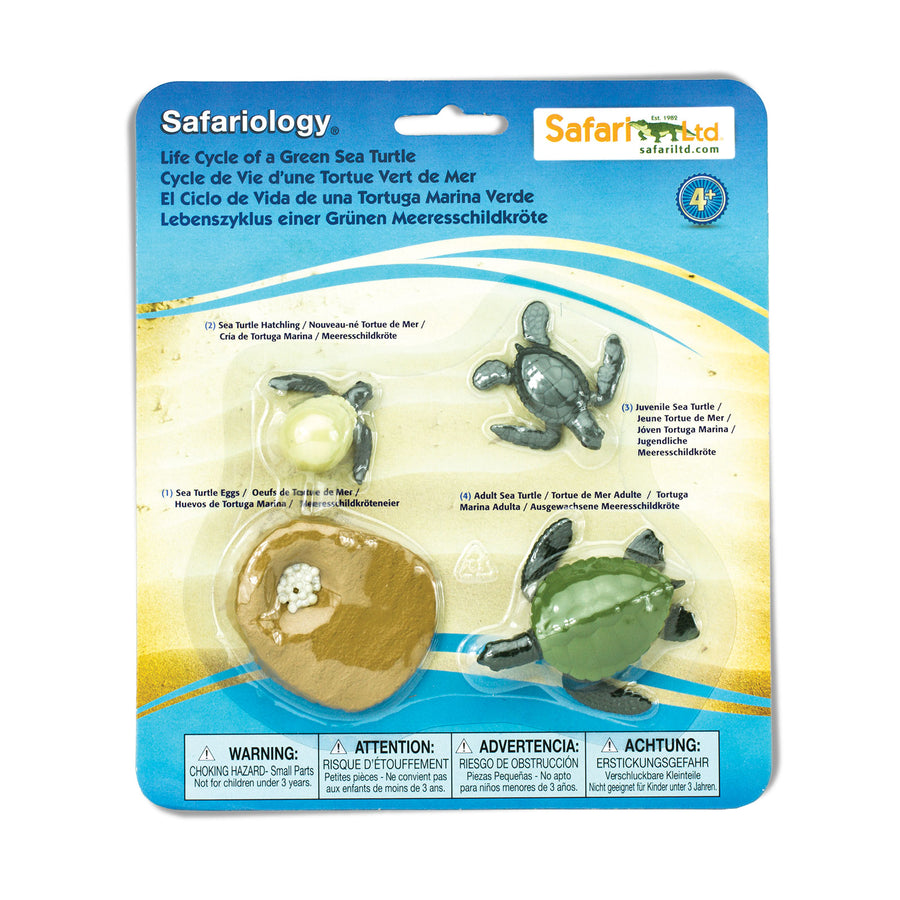
Employ storytelling and vivid descriptions to help young scientists understand what happens between each stage.
6. Classification Challenges Using Animal Features
Young kids will have so much fun classifying their animal figurines, they’ll have no idea they’re preparing for scientific experimentation. Start by sorting the animals into bowls or circles drawn on paper. Divide them up based on visible traits like size, color, or species. Maybe separate paws from hooves or feathers from fur.
Once the animals are sorted, compare their textures by touching their scales, wings, and shells. Kids can practice their observational and descriptive skills with this exercise. Then, mix the figures up and start categorizing them again based on different criteria.
7. Measurement and Comparison With Animal Sizes
Animal figures can even be used to teach practical mathematical concepts like measurement. Line up a series of animal toys nose to tail. Measure each and compare them to each other. Younger kids will have fun just arranging them from smallest to largest.
Don’t limit measurements to height and length. Compare wingspans, tails, feet, and other features by holding a piece of string up to the object, then marking it off and measuring the segment with a ruler or tape measure. Have kids discuss how the toy size compares to real animals. Use easy-to-follow language to help them visualize scale.
8. Weather and Adaptation Experiments
Get your child ready to learn about weather by experimenting with their favorite animal figurines. Pretend the animals are out exposed to the elements, as they would be in their natural habitats.
Place cotton balls, sand, and foil around them to simulate the weather. Let kids match the animals to snowy, rainy, and sunny conditions depending on where they live.
Ask youngsters to explain which features help animals survive in each setting. If you can, point out those physical features on the figurines.
Extend Experiments and Design a Science-Friendly Play Space
Kids’ science experiments don’t have to end when playtime pauses. The best animal toy studies invite children to come back later, tweak one detail, and notice what looks different the next time around.
A simple, flexible playroom setup lets experimentation carry on without clearing the space and starting from scratch.
Just a few solid tips will help extend the learning while keeping the science activities manageable at home or in the classroom:
- Leave experiments set up on shelves or tables so kids can revisit at their leisure.
- Encourage drawing, labeling, or basic note-taking to capture changes over several days.
- Take photos of setups to compare results from one session to the next.
- Pair scientific tests with related books or short videos. Even better, head outside for some good, old-fashioned animal sightings.
- Use towels or washable mats to keep cleanup quick and stress-free.
-
Store animal figures within reach so young people can start and adjust experiments on their own.
- Adaptability is key to success. Allow space and materials to shift mid-play as ideas change.


Making Science Stick Through Animal Play
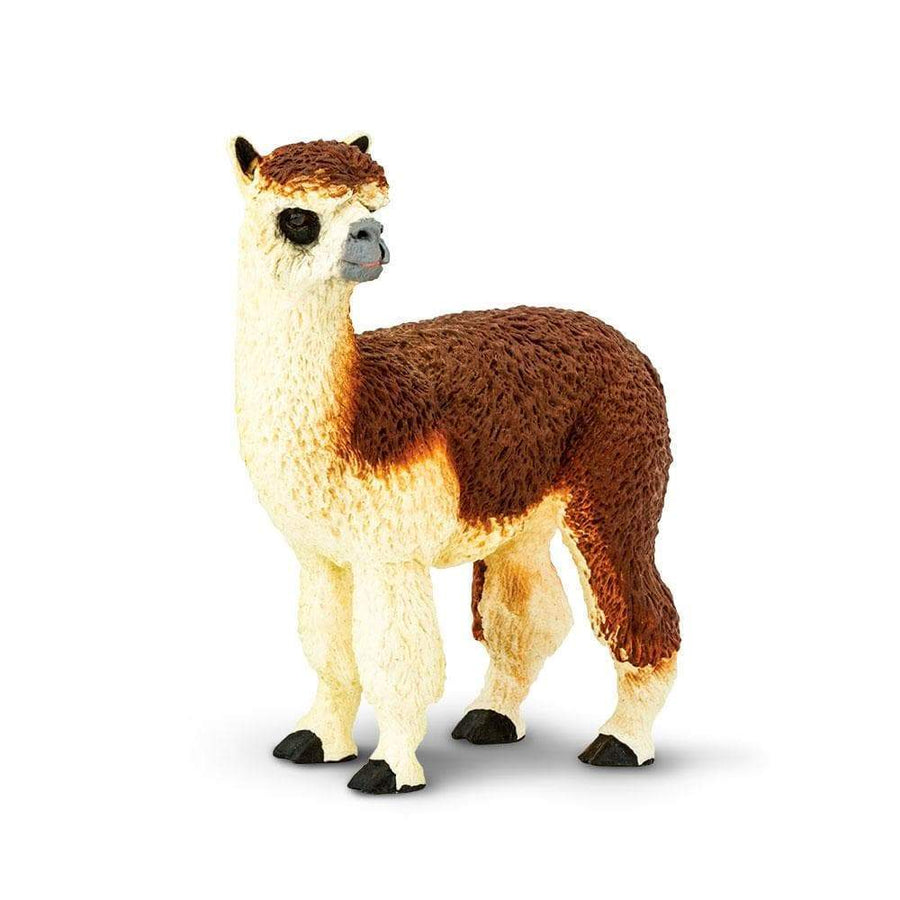
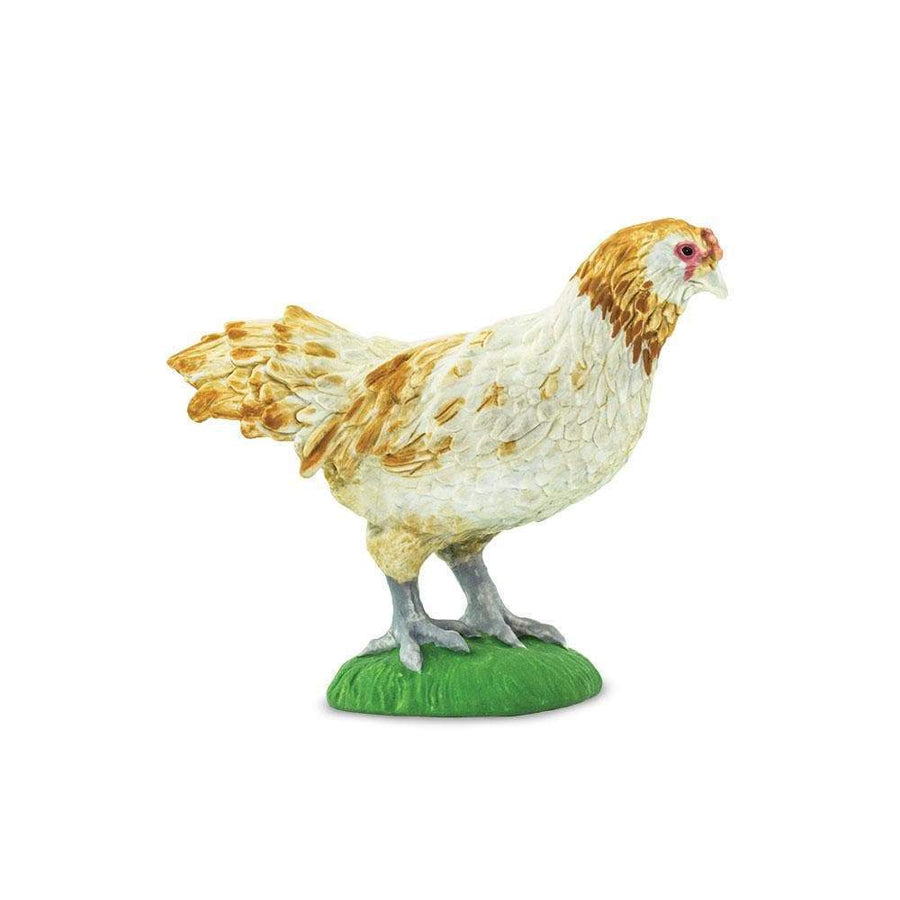
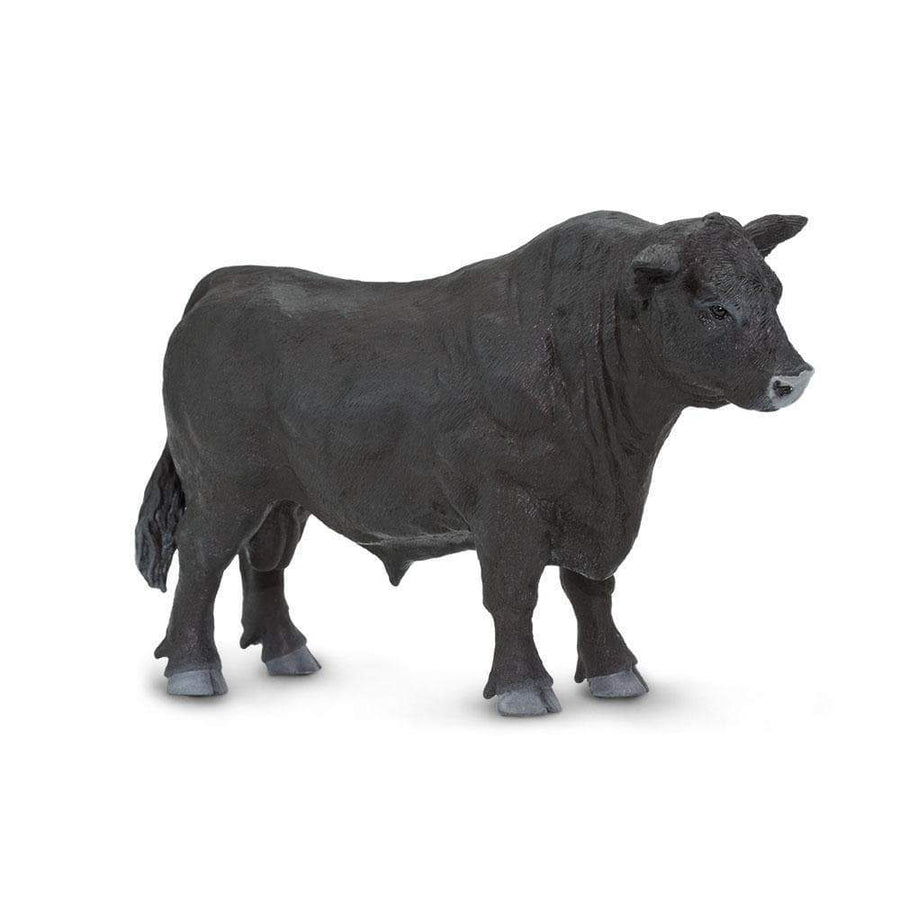
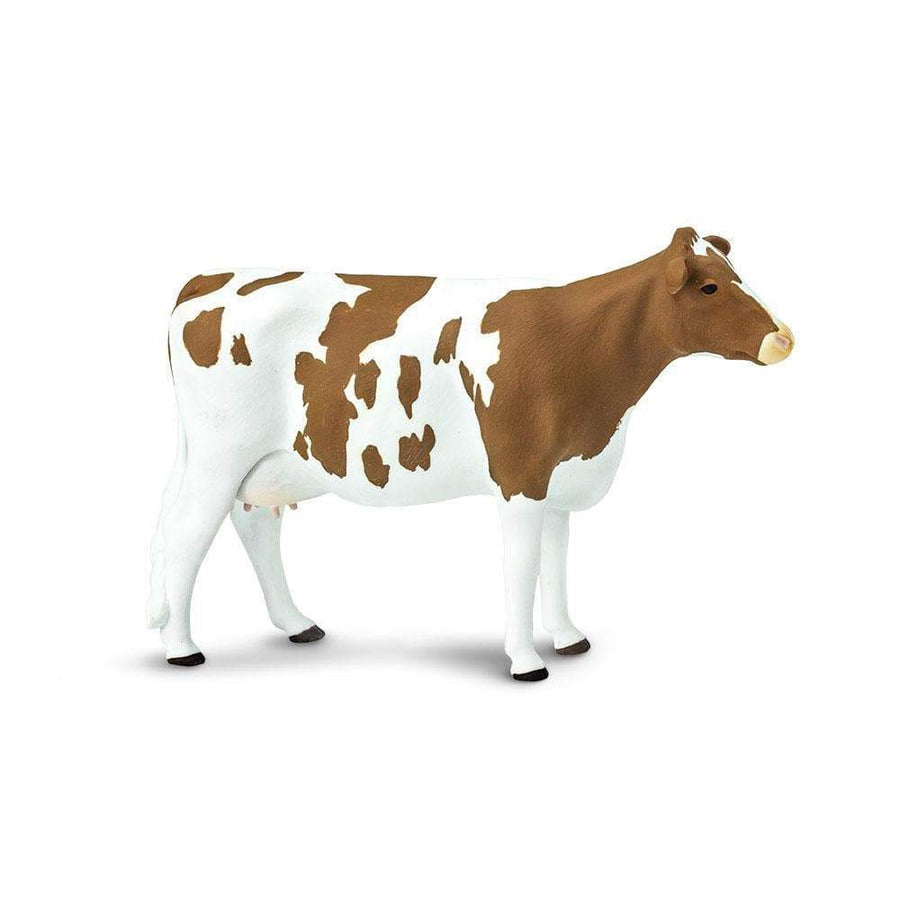
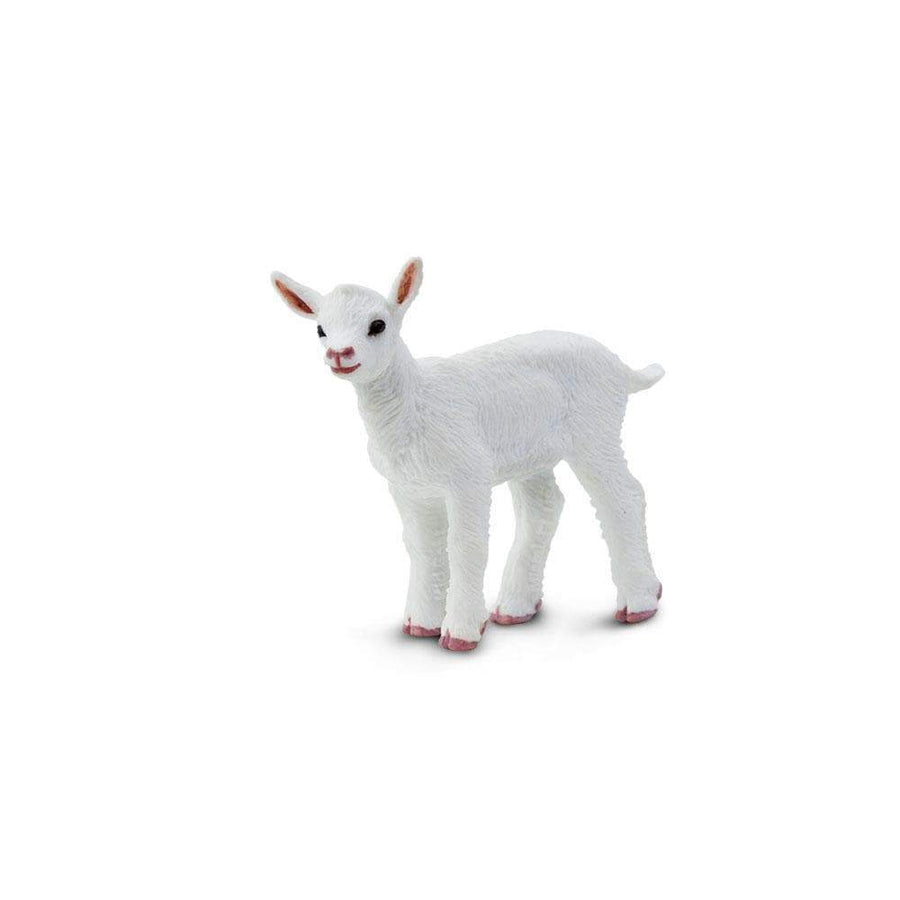
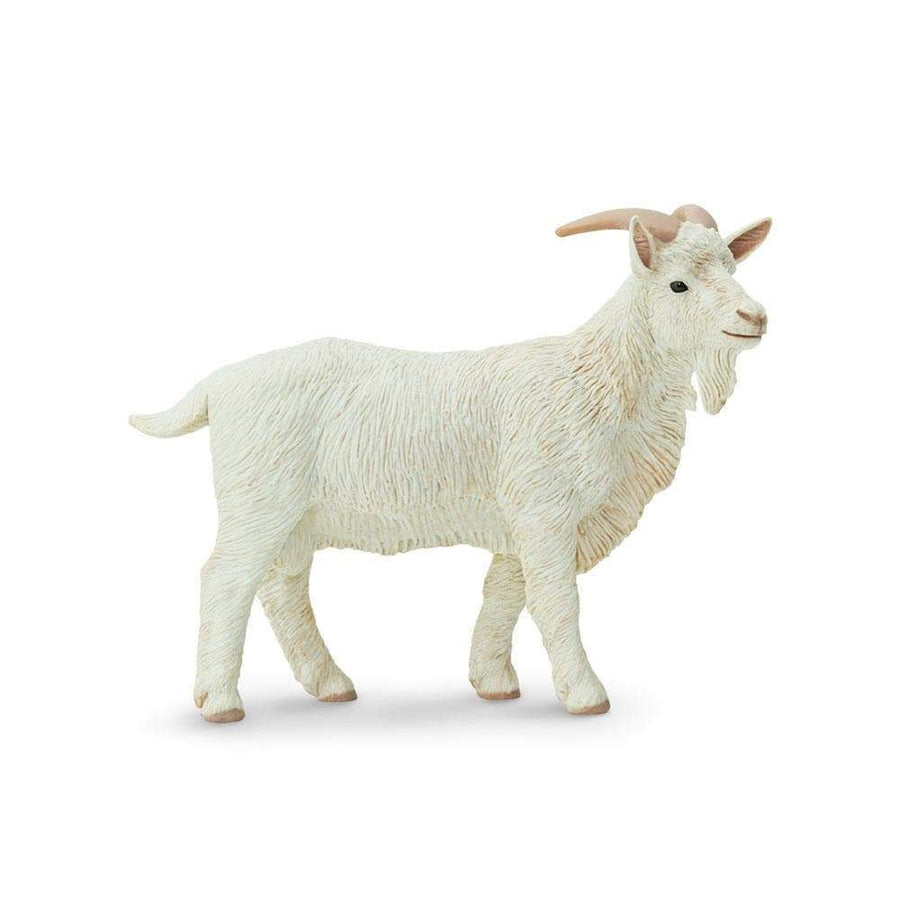
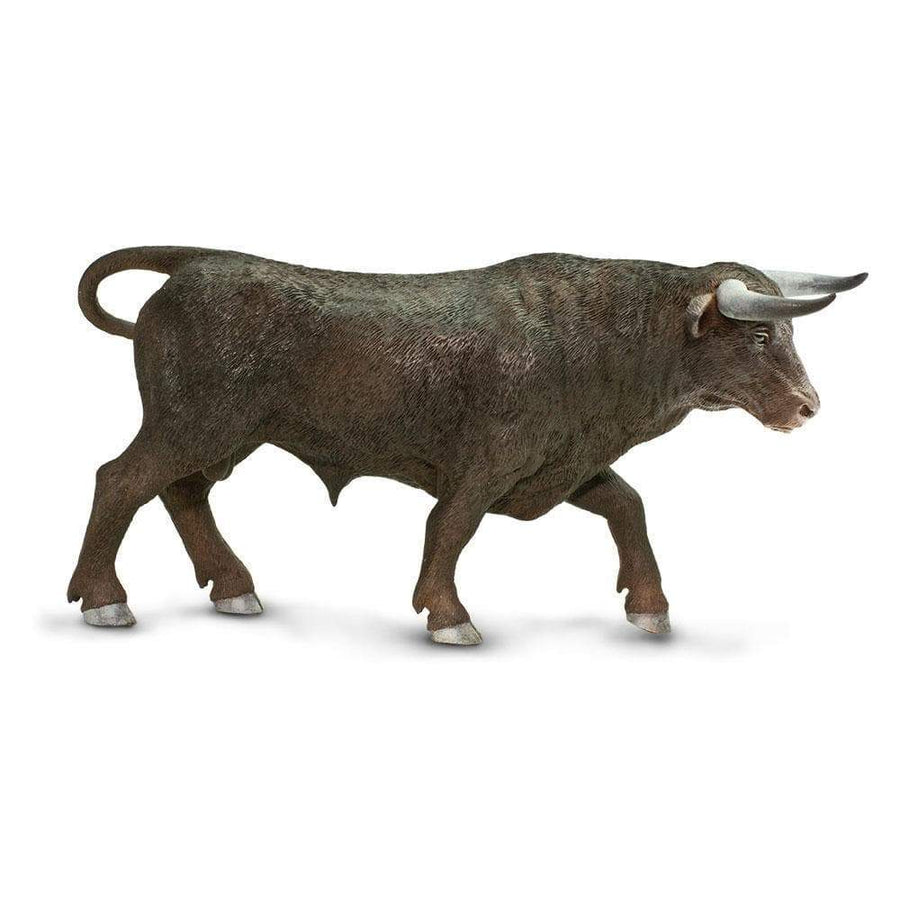
Beautifully-designed animal toys transform everyday moments into exciting science experiments for kids. The same few figurines can be the focus of all sorts of investigations. Or, you can add to the group and build an entire collection of model animals ranging from farm animals and sea creatures to dinosaurs and a jungle safari.
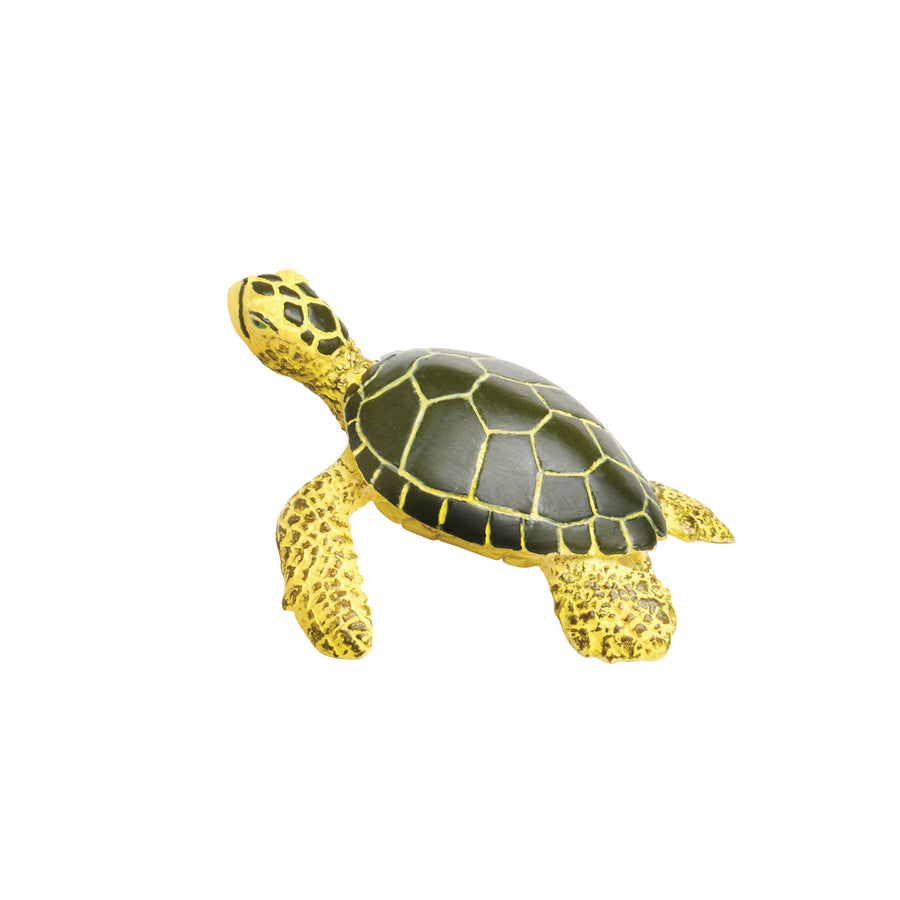
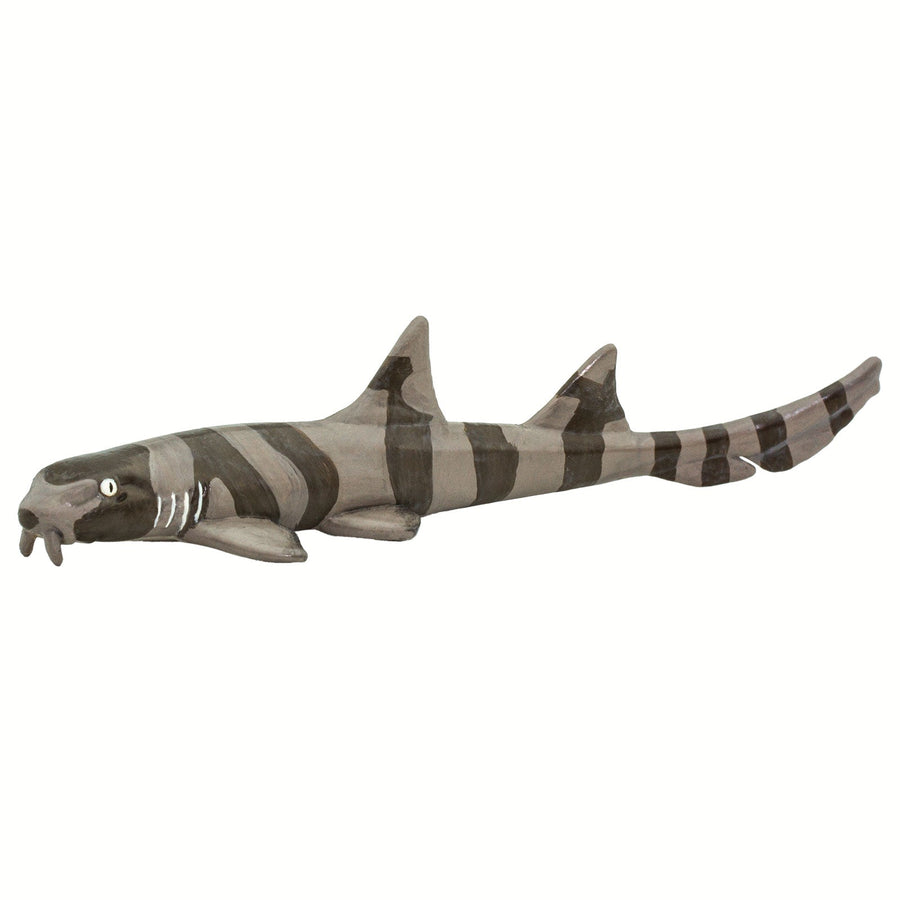
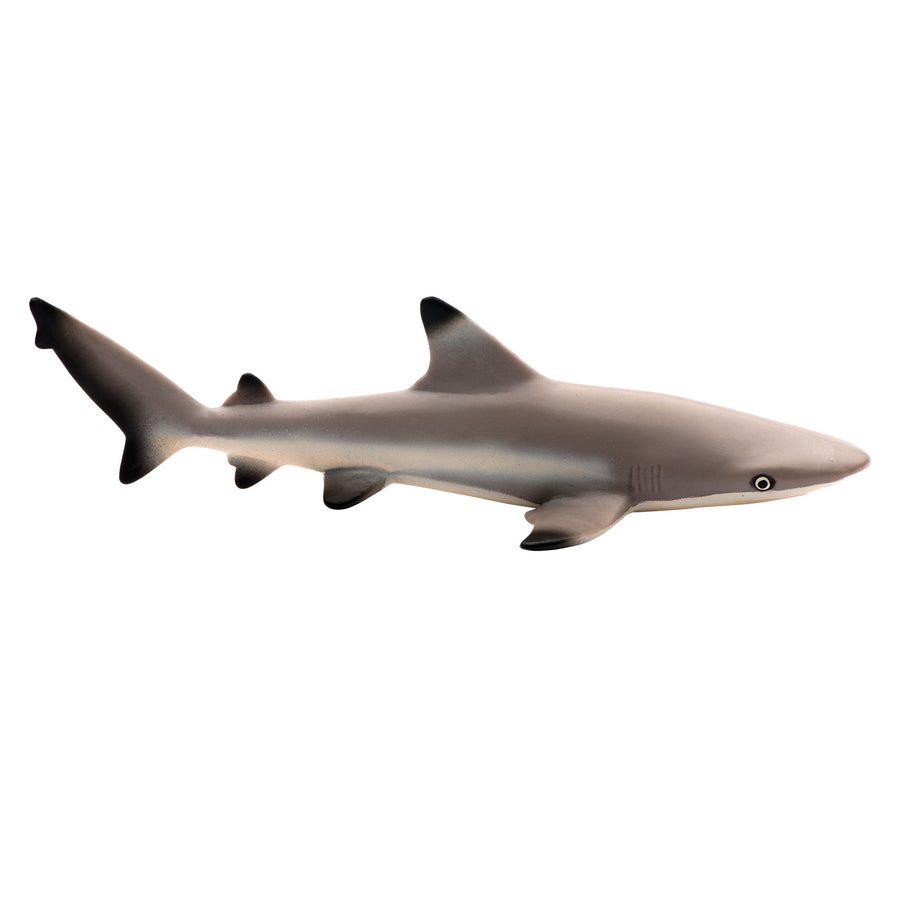
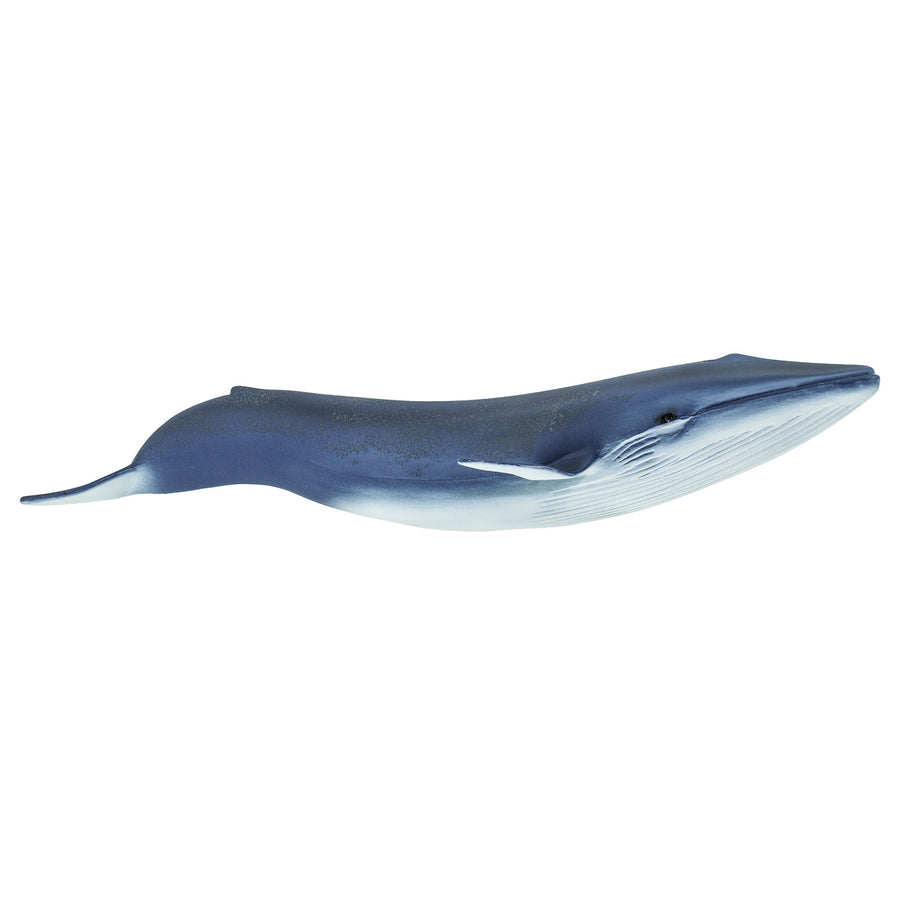
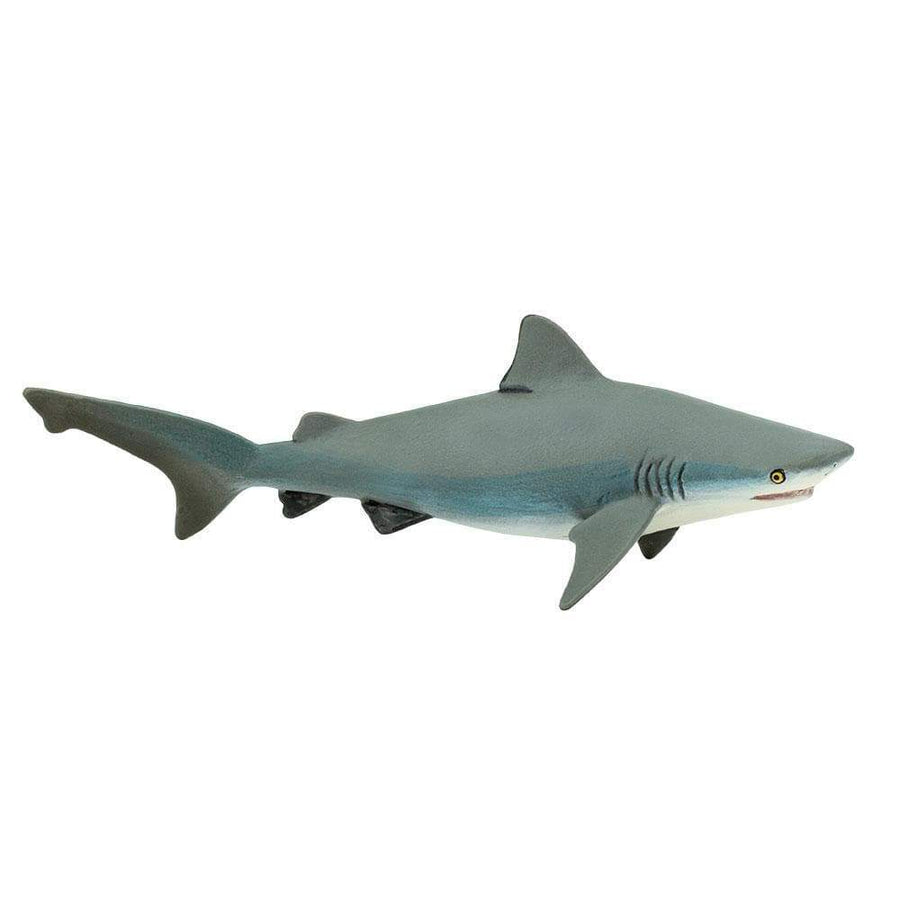
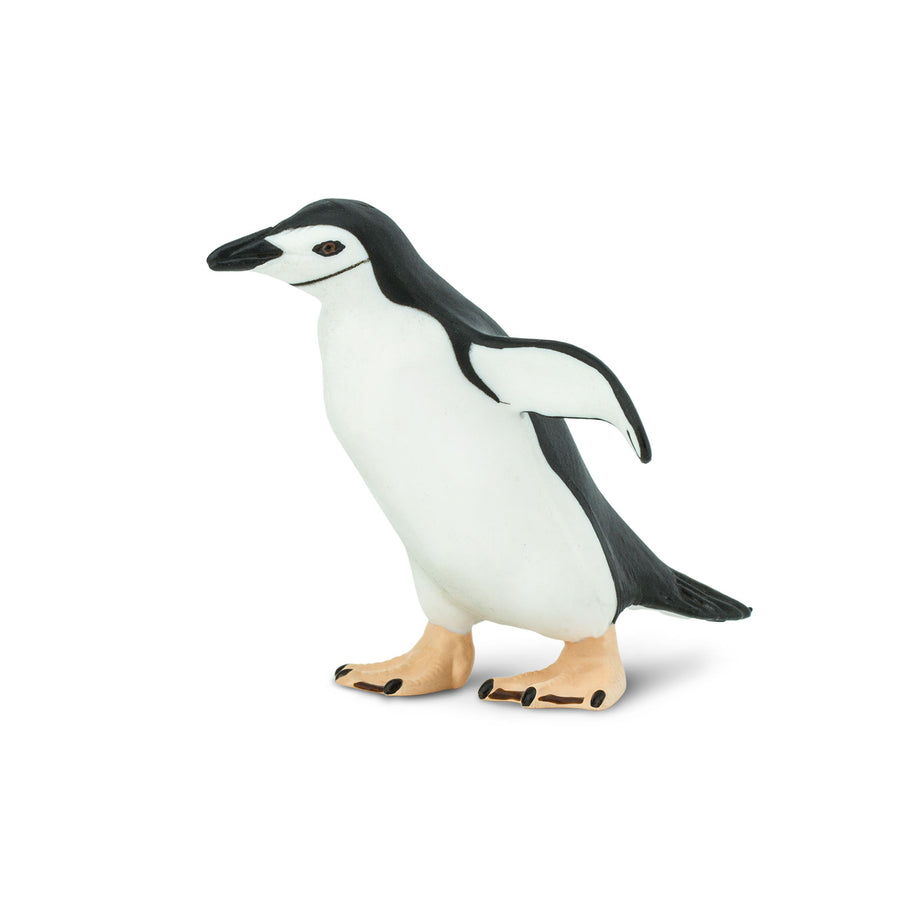
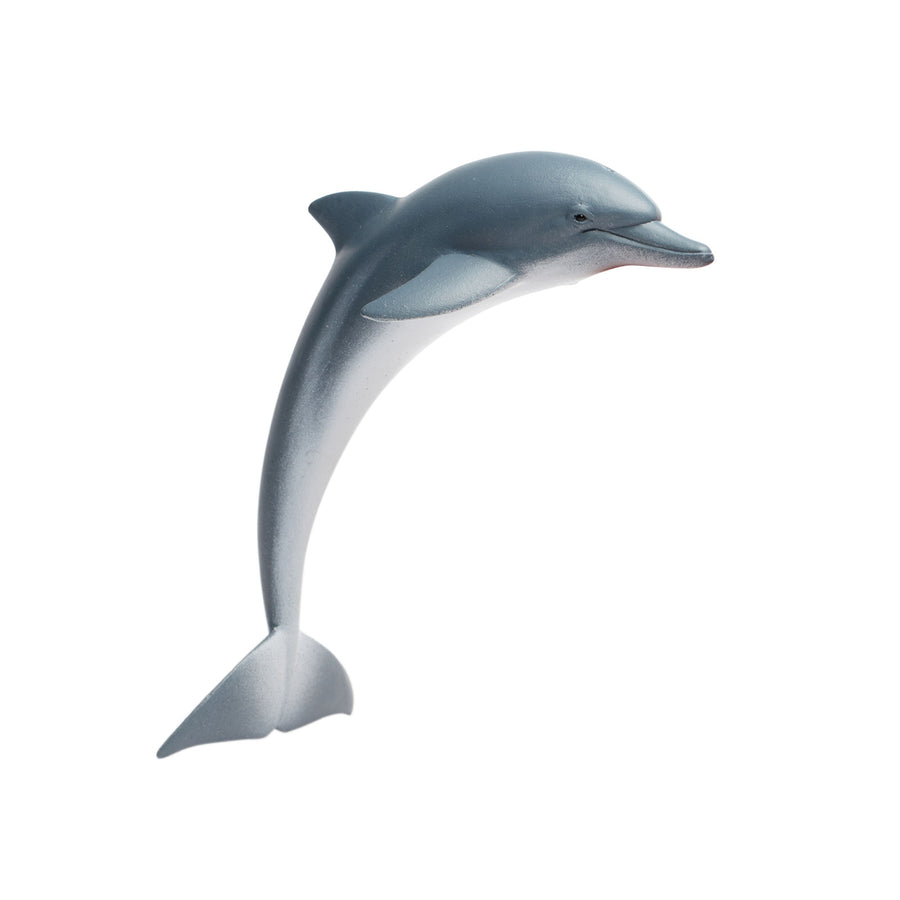
Get started today by choosing a few of your child’s favorite animals to bring home. You’ll be thrilled to see young inquisitive minds get to work.