
Toddlers don’t need much to stay engaged. A block, a cup, or a basic toy can hold their attention far longer than adults expect. When they repeat the same action over and over, they’re not killing time – they’re figuring something out.
That curiosity is exactly why toy choices start to matter more at this stage. When play feels open rather than overstimulating, toddlers stick with it longer. They wander back later, pick the toy up again, and try something slightly different the next time.
Most of us have watched these playful interludes in wonder, not quite certain of the endless fascination with a figurine, a tower of building blocks, or a wooden spoon. But these toys feel different once you see how Montessori learning appears in normal play.
What Are Montessori Toys?
Before you can really comprehend their appeal, it helps to start with what Montessori really means.
The Montessori approach comes from Dr. Maria Montessori, a doctor and teacher who spent years watching how children naturally learn.
Instead of guiding every move, she paid attention to what children did when adults stepped back. She could see how education happened when kids had room to try something, pause, then come back to it on their own terms.
In real life, Montessori play looks quiet and simple. A wooden puzzle sits on a reachable shelf. A colorful basket holds a few animal figures. A toddler picks one thing, carries it across the room, and settles in.
Nothing pushes them along. Toddlers stay with an activity while it feels satisfying, then drift away naturally when their interest shifts.
How Is a Toy Montessori-Inspired?
Montessori-inspired toys keep their structure uncomplicated and their objective clear. But they still leave space for open-ended play.
Rather than entertaining a child, these playthings invite engagement. Well-designed Montessori toys for toddlers:


- Concentrate on one idea, without extra noise
- Use materials that have a real feel in little hands
- Invite repetition without rushing an outcome
- Let toddlers notice and fix mistakes
- Offer a purpose without flashing lights or disruptive sounds
For toddlers, this kind of simplicity matters. When they understand toys from the start, kids stick with them longer – and that’s when the learning really happens.
Why Montessori Toys Help Toddlers Excel
So many toddlers show a strong desire to do things by themselves, even while their coordination is still developing. Montessori toys hit a sweet spot. They ask just enough of a toddler to spark effort, without stumbling toward frustration or meltdown territory.
The easiest actions – like fitting a shape into a slot or stacking objects in order – teach cause and effect. Ultimately, minor and major wins boost confidence and silent persistence.
Many parents notice the same toy resurfacing day after day. In the morning it’s stacked. That afternoon it’s lined up. A week or two later, it becomes part of pretend play.
Compared to overstimulating toys, Montessori options support longer stretches of focused play. That awareness encourages early problem-solving and motor development.
Key Skills Montessori Toys Support
Montessori toys don’t separate child development into categories. Skills take shape as toddlers test their own ideas, notice when what they’re doing doesn’t work, and experiment with something new.
Common growth areas can include:
- Fine motor skills from grasping and placing
- Cognitive thinking by sorting and matching
- Early problem-solving with trial and error
- Sensory awareness via texture as well as weight
Montessori Toy Types Toddlers Naturally Gravitate Toward
Indeed, Montessori toys fall into some broad categories, each one creating space for learning in a different way. They reflect how toddlers play, not how adults organize shelves.



Wooden Toys to Promote Hands-On Learning
Wooden playthings serve a central part in Montessori environments, and families see the difference right away. Their weight, touch, and durability create an experience that plastic toys just can’t match.
Basic wooden puzzles and stacking sets encourage toddlers to slow down and pay attention. The material itself slows things down in a grounding way. Many kids automatically treat wooden pieces with care, responding to the solid feeling.
Thoughtfully designed wooden puzzles support early coordination while still being open-ended. Plus, the materials also hold up well as children age.
Sorting and Matching Toys for Early Thinking
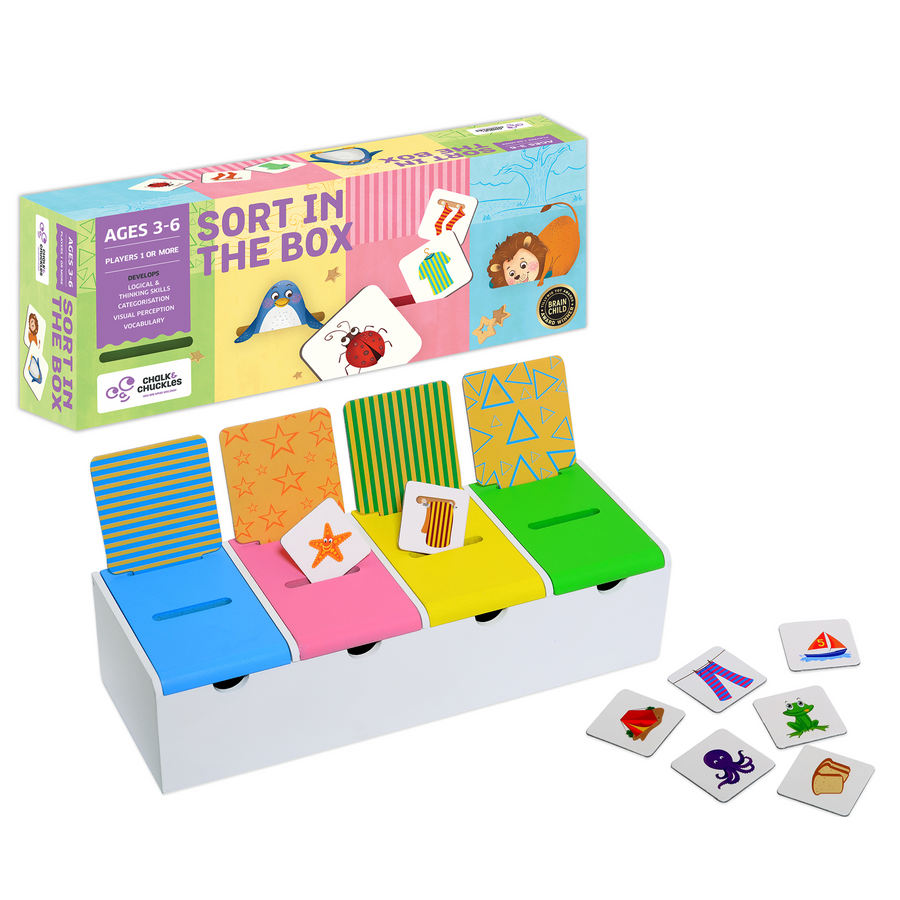
Activities that ask kids to match or sort are satisfying to toddlers, especially during those silent minutes when focus comes more easily. Cluster toys together that resemble each other, or put them in the correct place for immediate feedback. Toddlers will have a true sense of accomplishment.
Montessori sorting toys typically feature different shapes and various colors, sometimes introducing size differences as the wee ones gain self-esteem.
Toddlers may line objects up carefully. Others dump them out and start again. Either way, the repetition builds coordination and early thinking without feeling as if it’s a lesson.
With additional use, these versions of Montessori toys encourage early math skills such as categorization and comparison. None of it feels instructional – it unfolds through play.
Practical Toys That Stimulate Independence
Mimicking actual tasks forms the heart of Montessori learning. These behaviors frequently show up during life’s smaller moments. For toddlers, this can mean toys that imitate their parents and loved ones’ actions.
Child-sized tools and hands-on activity sets help tots practice typical movements, including grasping, pulling, and transferring. The actions are purposeful instead of playful. That’s something which appeals to children.
Families can find practical life toys that build autonomy, but still stay appropriate for toddlers.
As young kids succeed at these sorts of endeavors, they show more confidence throughout their daily schedules. Even minor successes can show up later during everyday routines like getting dressed or pitching in with easy tasks.
Animal Figurines and Open-Ended Play
Montessori toys don’t limit imagination. Instead, they give it room to grow at a toddler’s own pace.
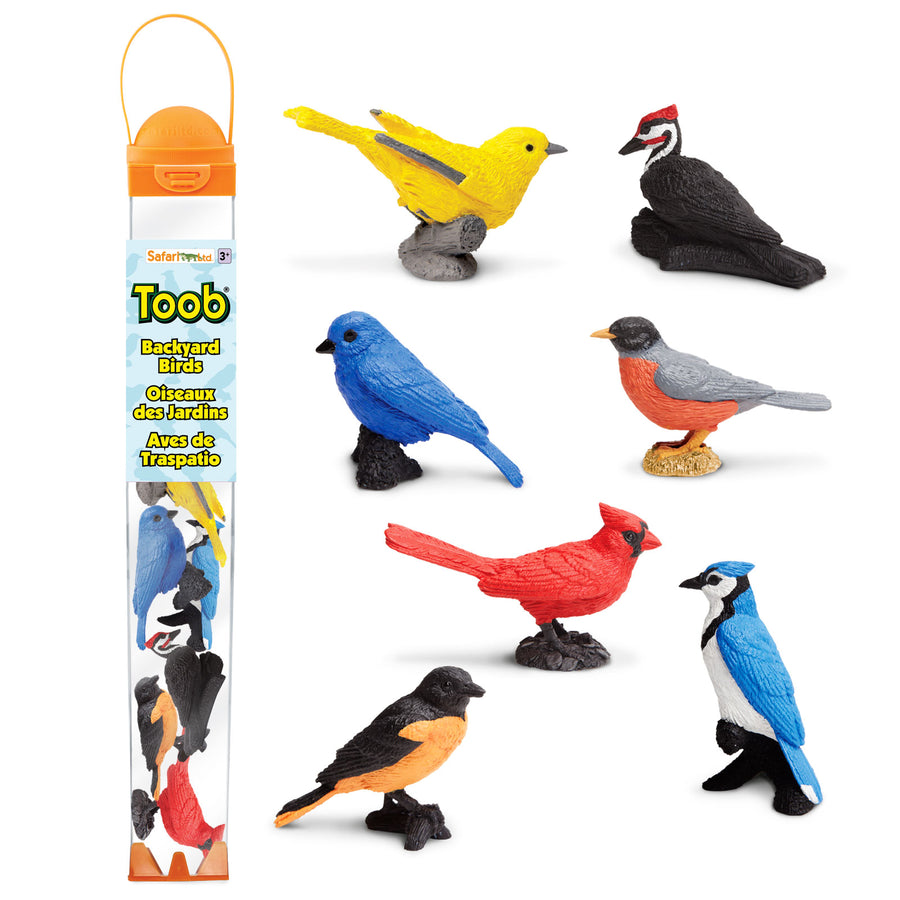
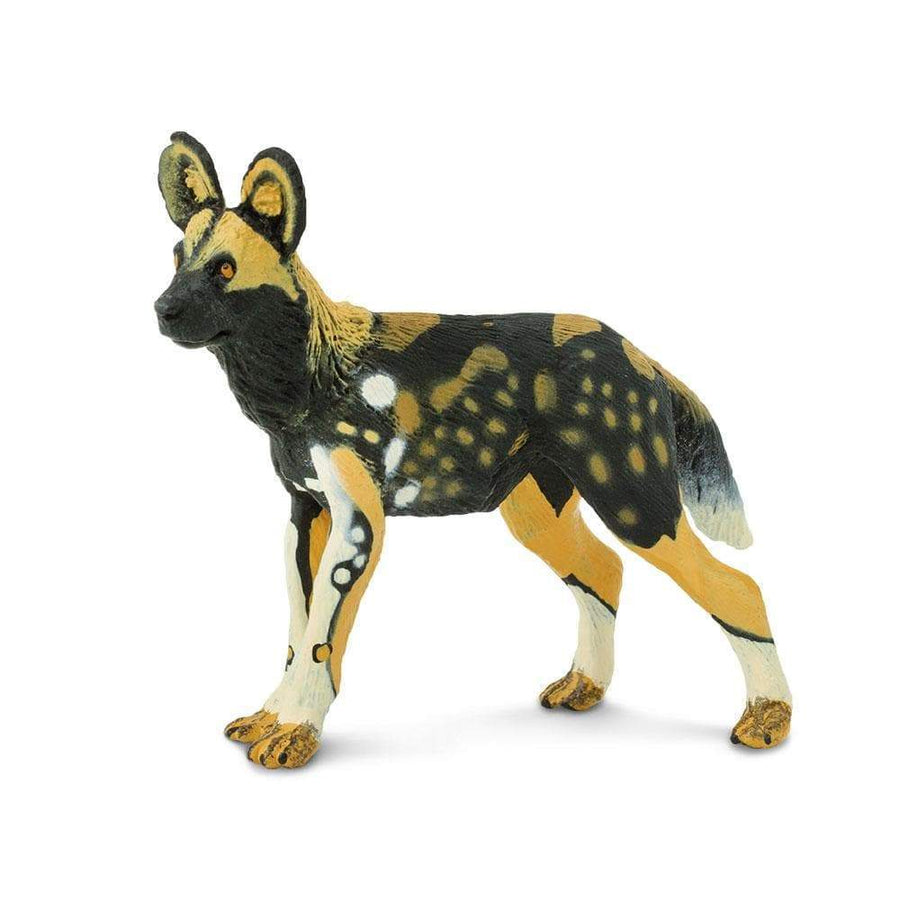
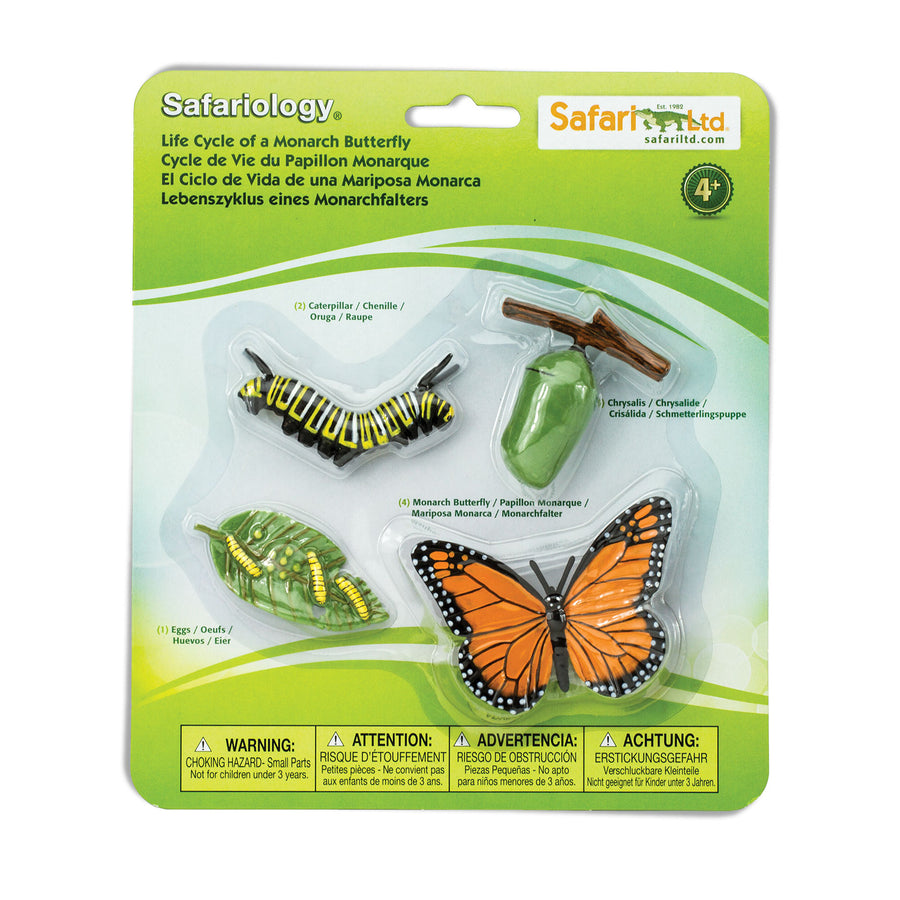
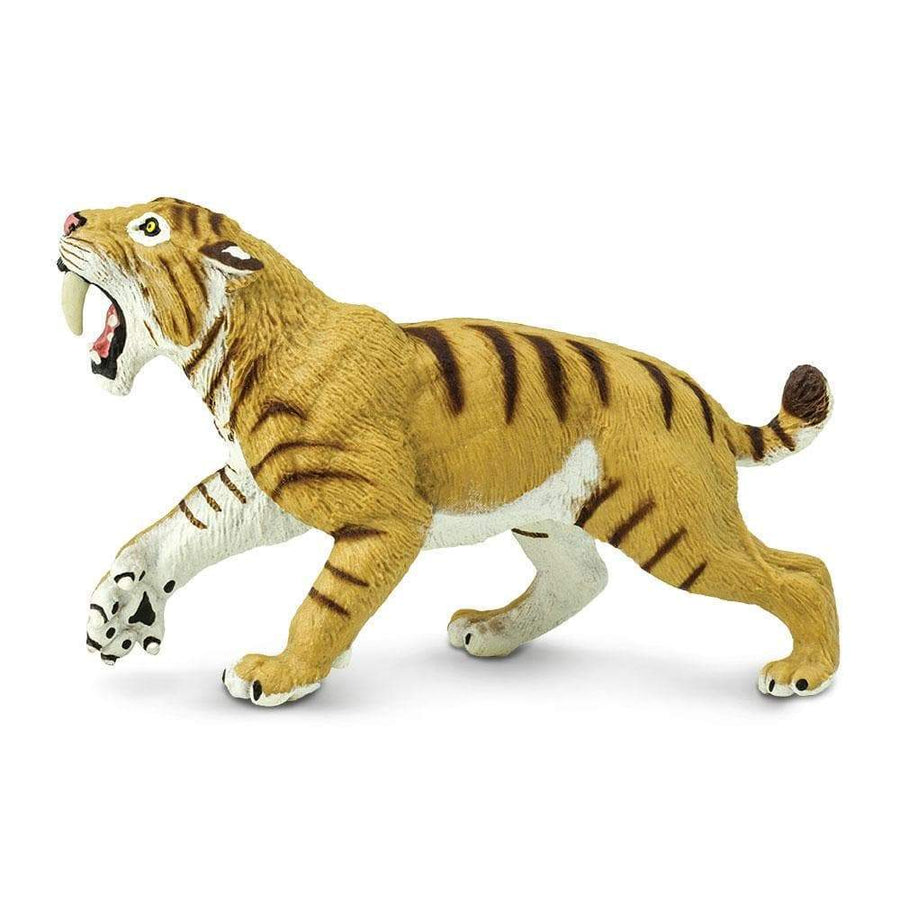
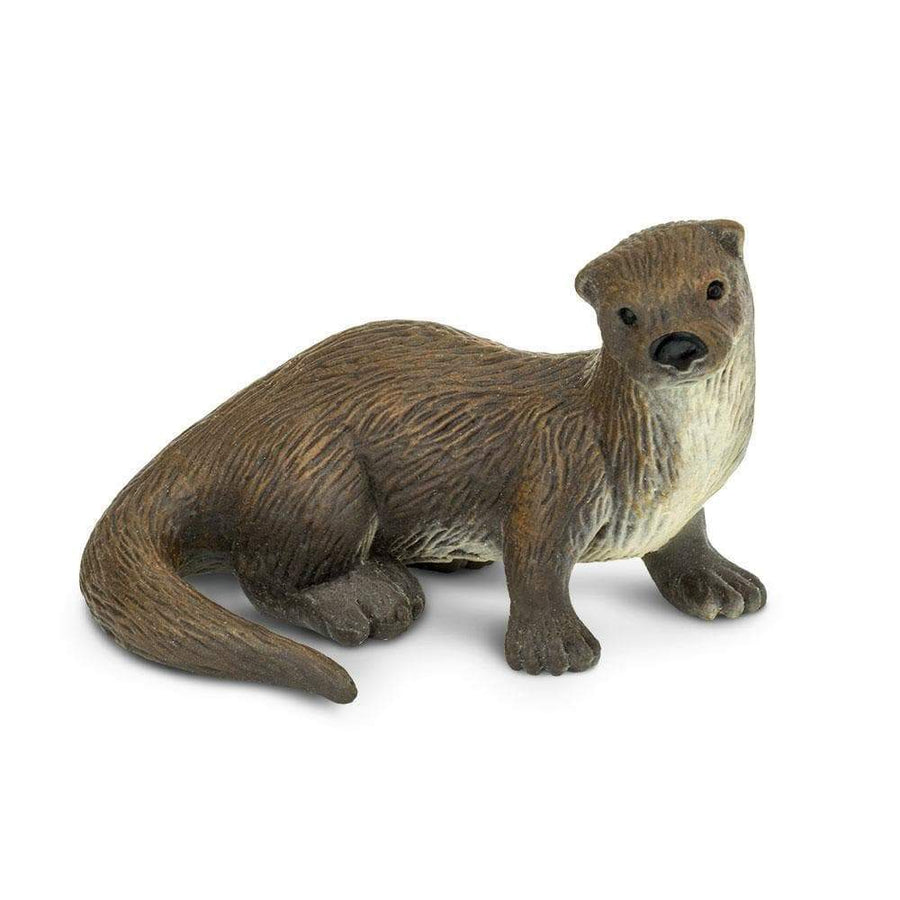
Realistic animal figurines let toddlers invent original narratives sans instructions. A child may put animals in a row or move them across the floor. Kids will even start to categorize them.

Captivating animal models are perfectly designed to help little kids show progress. The figures promote observation and vocabulary, as well as early classification skills.
The toys stimulate innovative play, but they still match up with Montessori methods, allowing storytelling to emerge from real-world details rather than fantasy scripts.
How to Choose Montessori Toys by Age
Not every Montessori toy is going to suit every toddler. After all, readiness matters more than age labels.
For younger toddlers, look for toys with larger pieces and simple actions. Later, you can introduce options that take greater precision or sequencing.
A helpful approach involves fewer selections at a time. Rotating Montessori toys keeps kids’ play fresh, and it prevents overwhelm. Parents might see deeper engagement when toddlers have limited, more purposeful choices.
Creating a Montessori-Friendly Play Area
Toddlers’ play environment is just as important as the toys themselves – sometimes even more than parents expect. So, wherever your child plays with Montessori toys, it should be accessible and calm.
Low shelves let toddlers pick out toys with no assistance. Clear containers help them see what’s available. When pieces have a defined home, cleanup becomes just another part of the overall process.
A few small changes make play feel calm and intentional:
- Store toys at a toddler’s eye level.
- Limit the number of available toys at once.
- Rotate pieces instead of displaying everything at once.
- Define play areas with trays or buckets.
- Leave empty floor for kids to move and explore.
How Montessori Toys Grow With Your Child
One of the best parts of Montessori toys is how long they remain relevant. A toy that starts out as something to grip or stack often takes on new meaning later, becoming part of sorting games, counting practice, or simple stories a child invents on their own.
Montessori toys aren’t limited to entertainment. They quietly boost self-sufficiency over time. These playthings also establish opportunity for concentration and discovery.
By choosing toys that respect a kiddo’s own pace and curiosity, caregivers open doors to truly meaningful play.

