
Learning about ecosystems helps children develop empathy for living things and feel more connected to the natural world around them. Realistic animal figurines make learning about ecosystems more enjoyable by turning big concepts into fun, imaginative experiences.
When animal figurines are grouped by habitat, kids can start to see how climate, terrain, and available resources shape where animals live.
Safari Ltd animal figurines help bring those environments to life, giving children a hands-on way to explore habitats through play and interaction.
How Realistic Animal Figurines Support Ecosystem Learning
Safari Ltd designs figurines with animal learning and education at the forefront. Our focus is on realistic anatomy and texture, along with getting the sculpture’s proportions right. Details such as these matter since physical traits are closely tied to a creature’s habitat and survival.
For example, thick fur often signals cold climates, while webbed feet point to water-based environments. In the same way, beaks, claws, and overall body shape reveal how animals find food or protect themselves.
As children begin noticing these features, they naturally start asking why animals look the way they do. Those questions create a natural transition into learning about ecosystems and how habitats shape life.
In addition to realism, organization plays an important role in learning. Animals are available at Safari individually and in themed groupings, which makes it easier to sort species by environment.
This structure helps keep habitat-based lessons clear, focused, and easier for kids to explore on their own.
Exploring Habitats Through Animal Figurines
Different habitats support different types of life. By grouping animal figurines by environment, children can see how climate, terrain, and available resources shape ecosystems. The following habitat examples show how realistic figurines can be used to build realistic scenes and guide ecosystem-based learning.
Desert and Savana Habitats
African desert and savanna ecosystems are shaped by heat, seasonal rainfall, and plenty of open terrain. Animal figurines from these environments help children understand how species adapt to survive in dry climates.
Common animals from these ecosystems include:
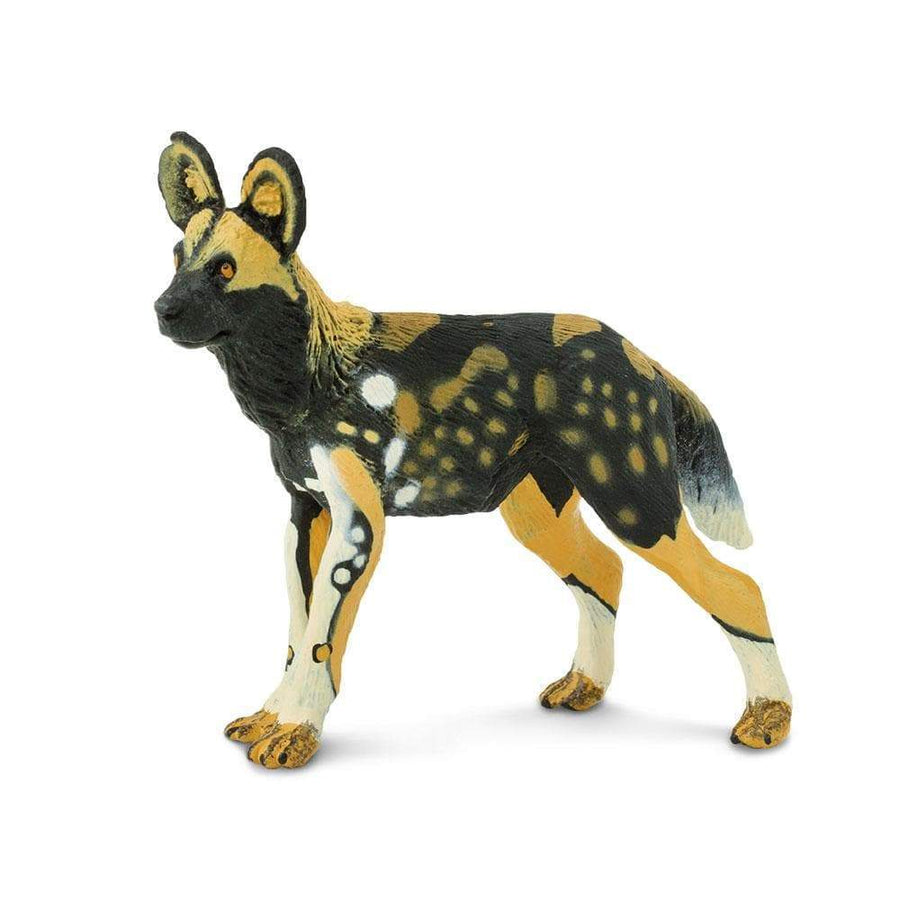

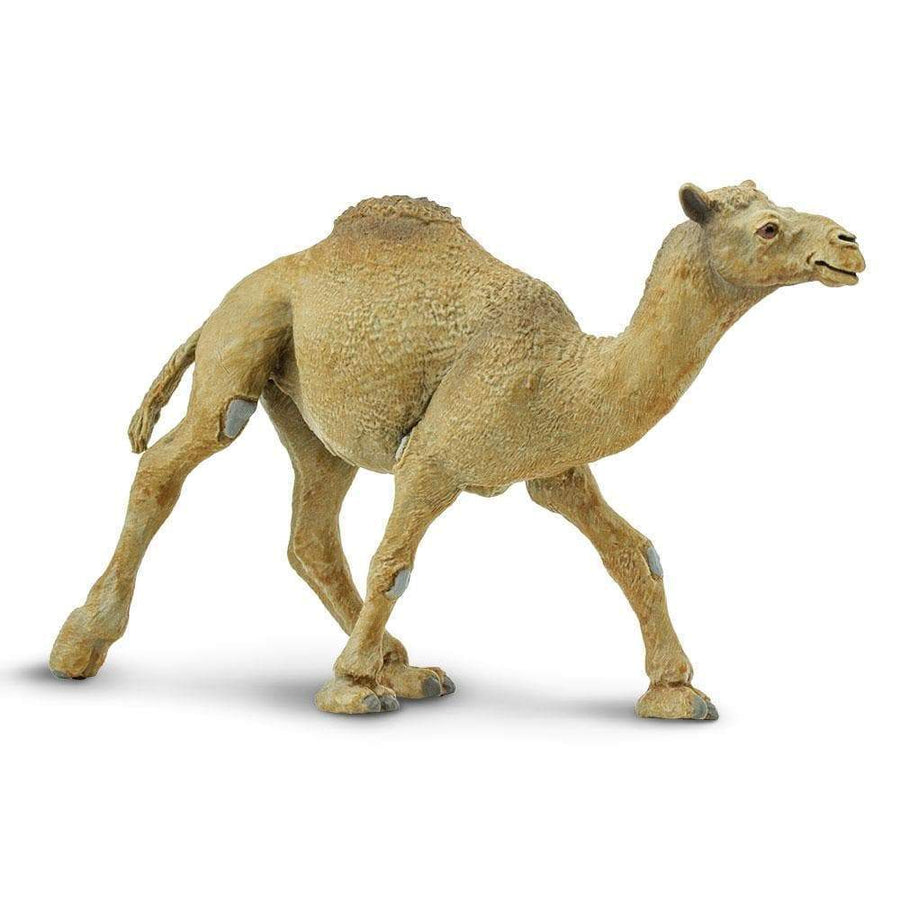
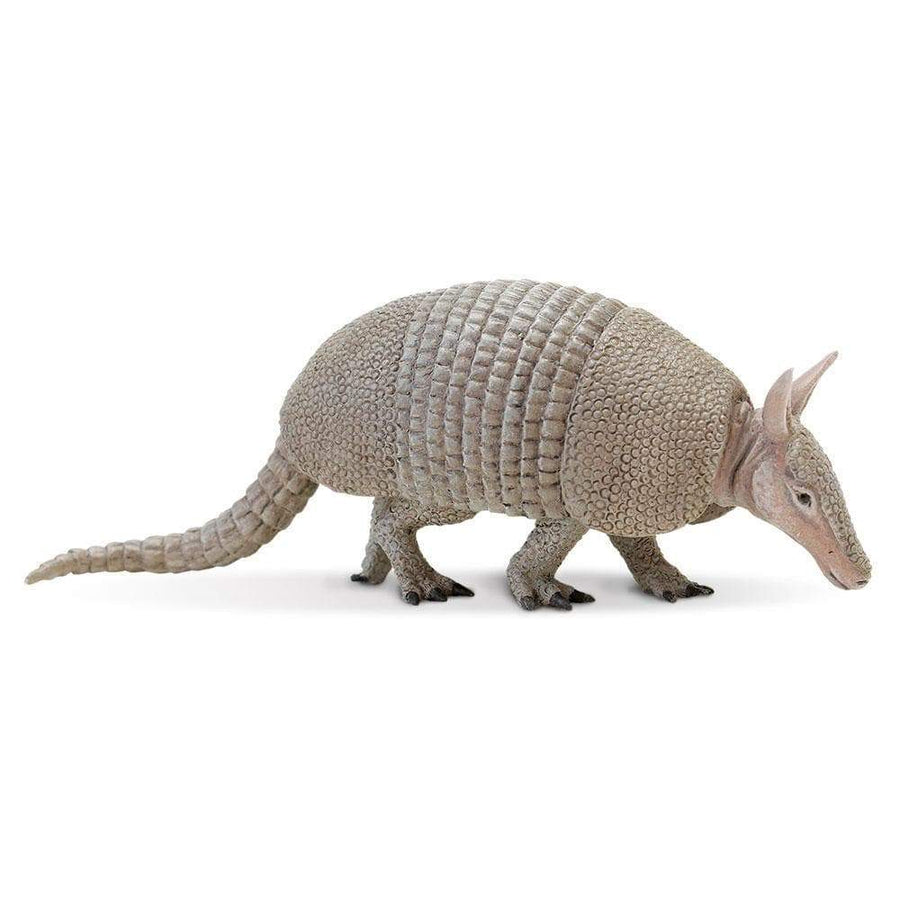

Using sand, rocks, and sparse vegetation helps recreate the landscape. These setups support discussions about heat, temperature regulation, and water scarcity. Another discussion to have is how animals find shelter and food in these unforgiving environments.
Ocean and Freshwater Habitats
Water-based ecosystems introduce a different set of survival needs than land habitats. Aquatic figurines help children explore how animals move and breathe in water. They also show how animals find food in oceans, rivers, lakes, and wetlands.
Ocean habitats can be explored using animals like dolphins, whales, and sharks. Fish, sea turtles, and aquatic invertebrates help complete the scene. Using blue slime or water, along with shells and pieces of coral, helps recreate ocean environments and supports imaginative play.
Freshwater habitats focus on rivers, streams, lakes, and wetlands. These ecosystems have slower water movement and different food sources than the open sea. Freshwater figurines help children see how animals adapt to changing water levels and nearby land environments.
Shallow water, smooth stones, and plant material help distinguish freshwater habitats from ocean settings.
Forest and Woodland Habitats
Forest and woodland ecosystems support a wide range of animals across multiple layers of the environment. Figurines from these habitats make it easier to visualize how animals share space and resources.
Common forest and woodland animals include:
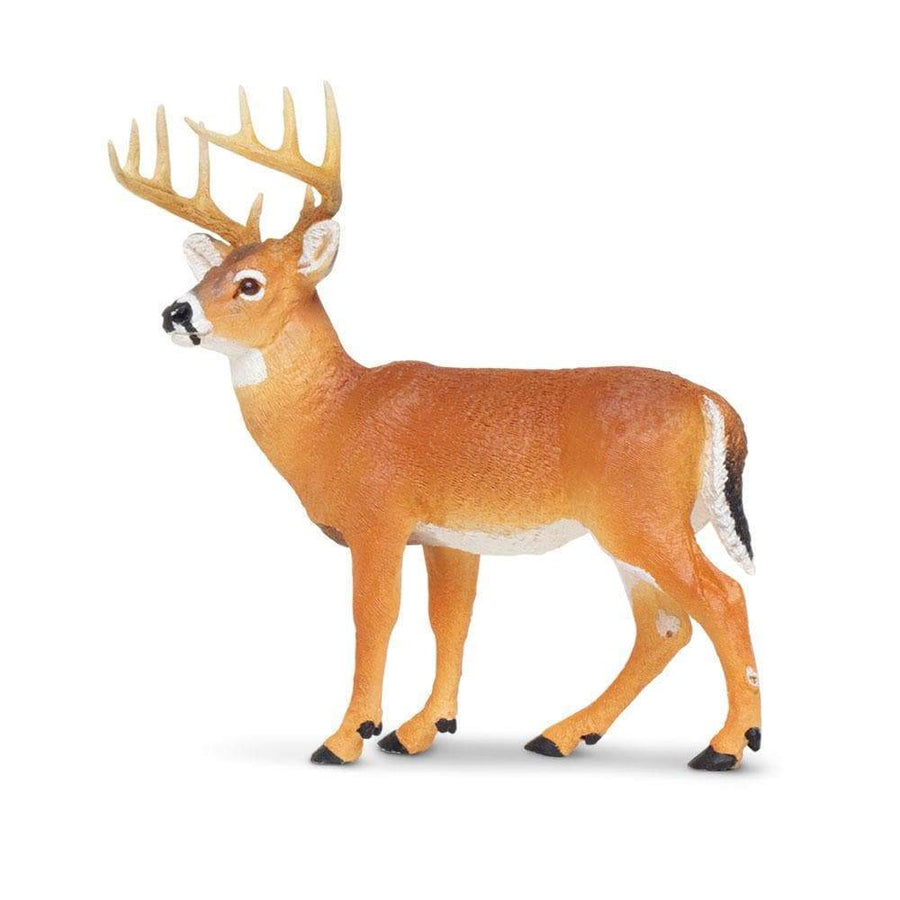
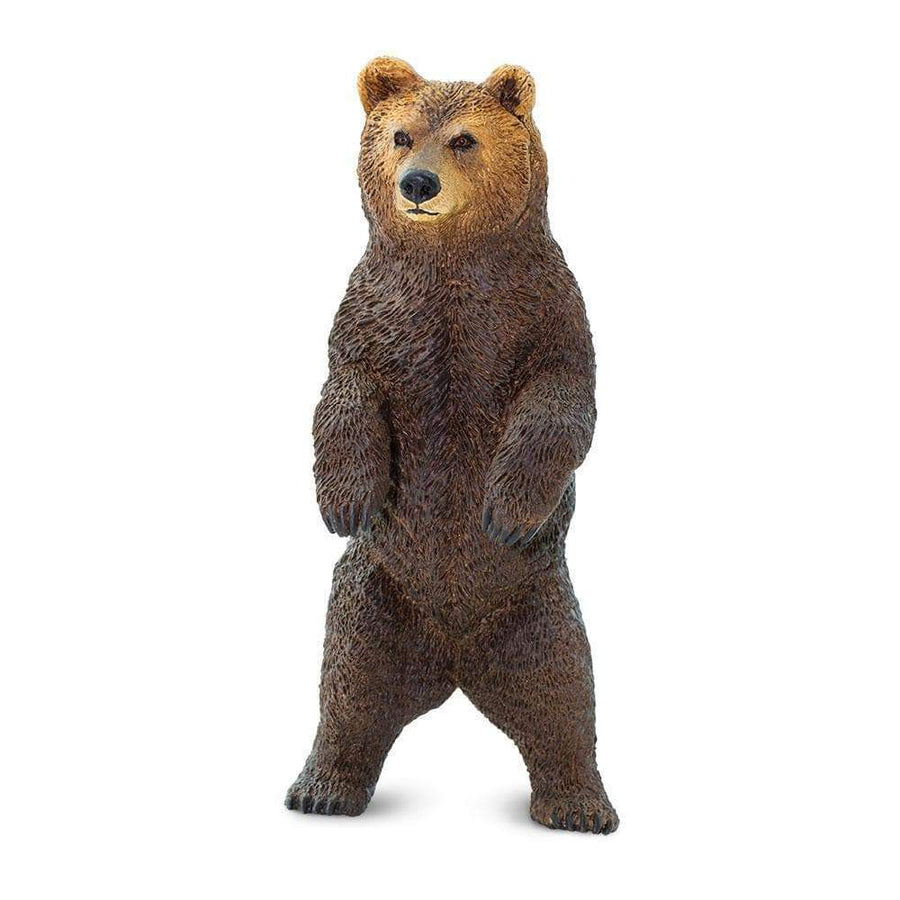
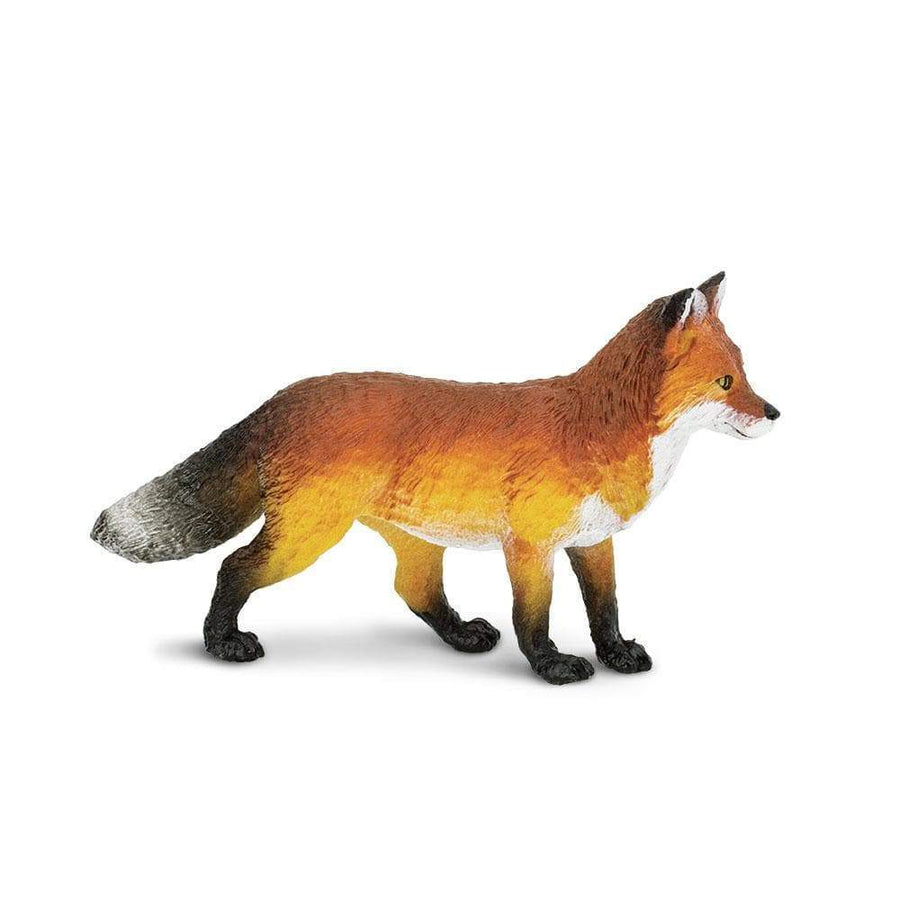
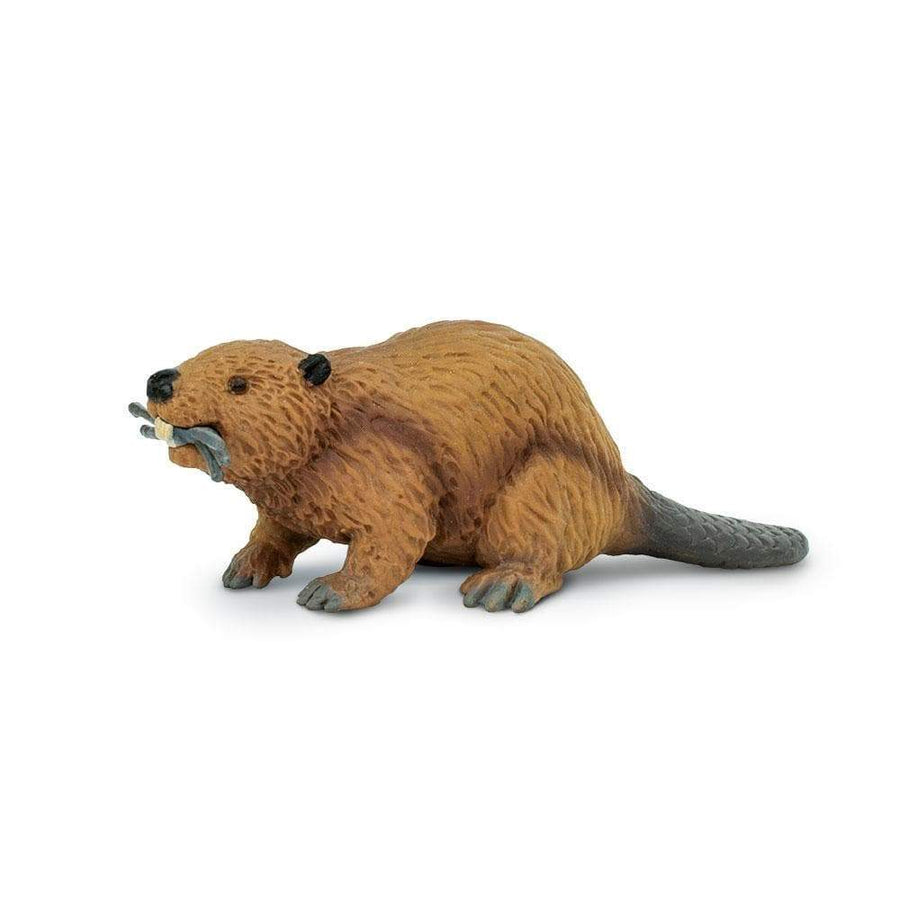
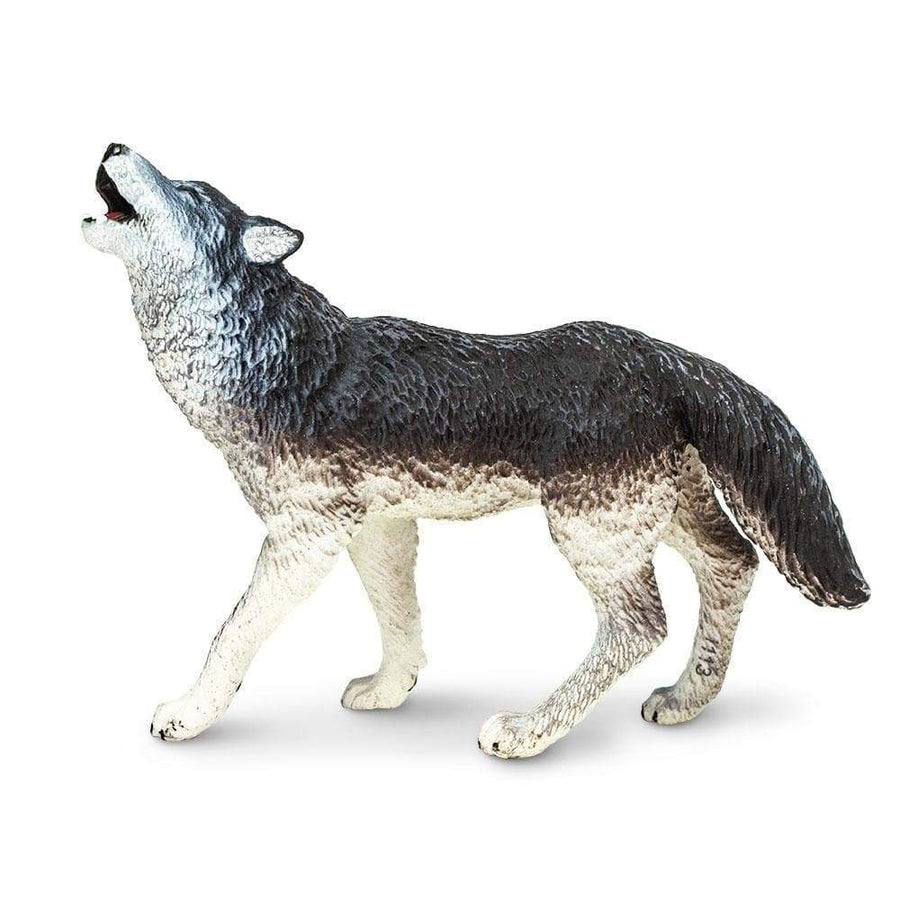
Leaves, bark, soil, and sticks help recreate forest floors and tree canopies. These materials support lessons about food webs, shelter, and seasonal change.
Insects and Micro-Ecosystems
Some of the most important ecosystems are the tiniest ones. Insect figurines help children explore micro-ecosystems that play a critical role in environmental balance.
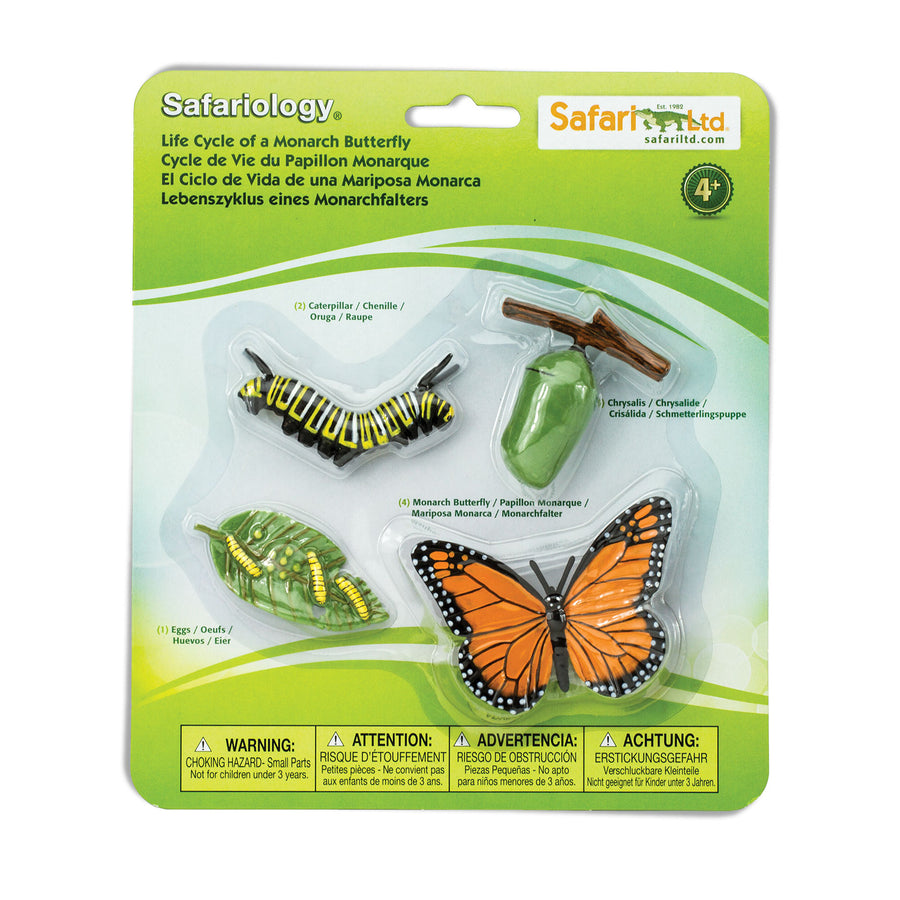
Ground-based insect figurines for a micro-cosystem include grasshoppers, beetles, spiders, and ants. Flying insects include dragonflies, butterflies, and bees.
Moss, flowers, pebbles, and soil create simple environments that highlight pollination, decomposition, life cycles, and biodiversity on a smaller scale.
Using TOOBs® to Build Ecosystems
Safari Ltd TOOBs® are batches of miniature animal figurines grouped around a specific habitat, theme, or life cycle. Instead of collecting animals one at a time, a TOOB provides a ready-made ecosystem that children can explore immediately.
For example, the Antarctica TOOB® includes animals that belong in polar environments. Penguins, seals, whales, and other Antarctic species are grouped together so children can see which animals share the same ecosystem.
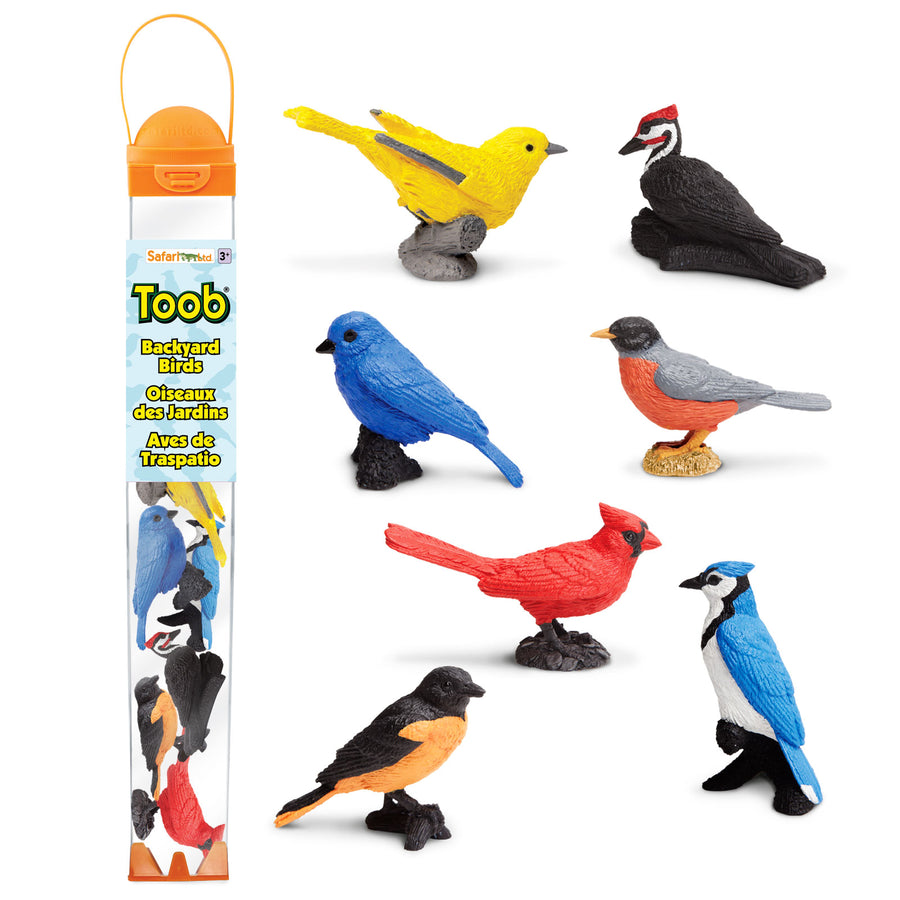
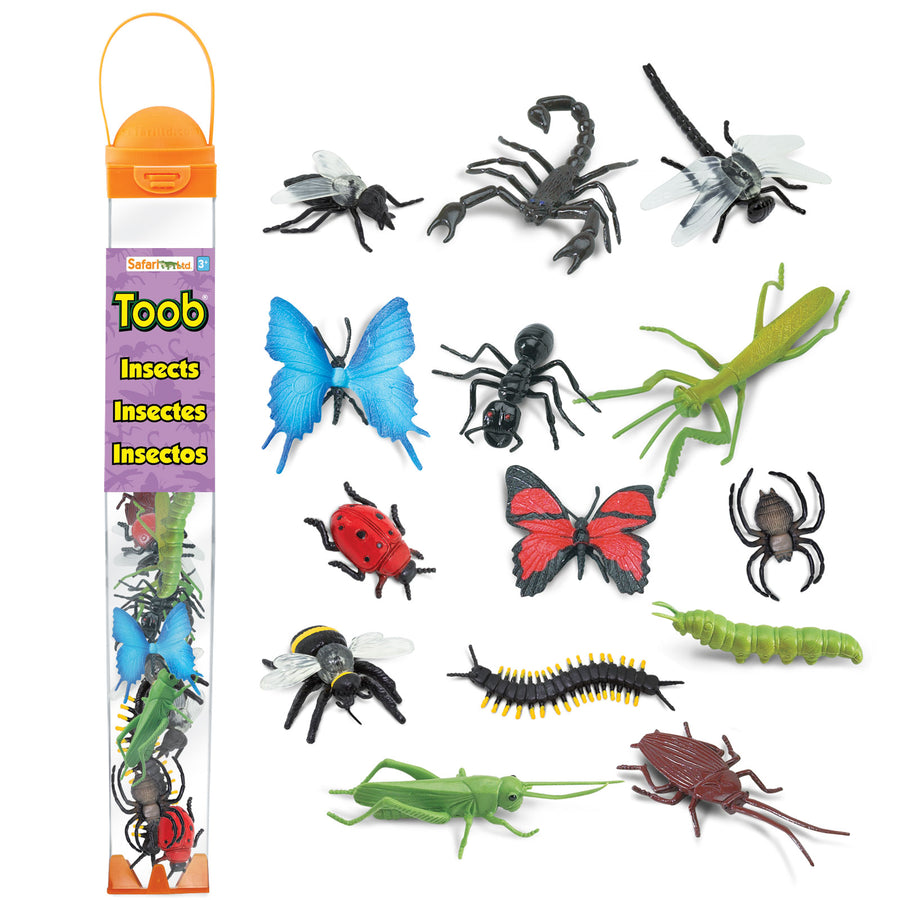

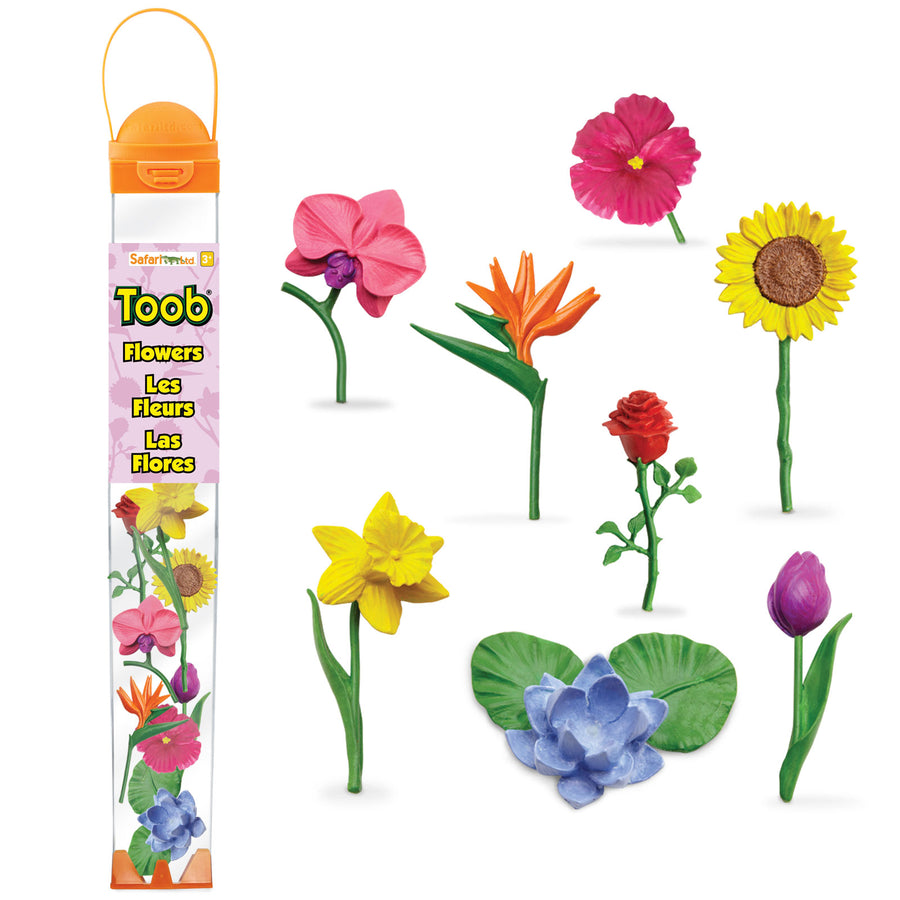
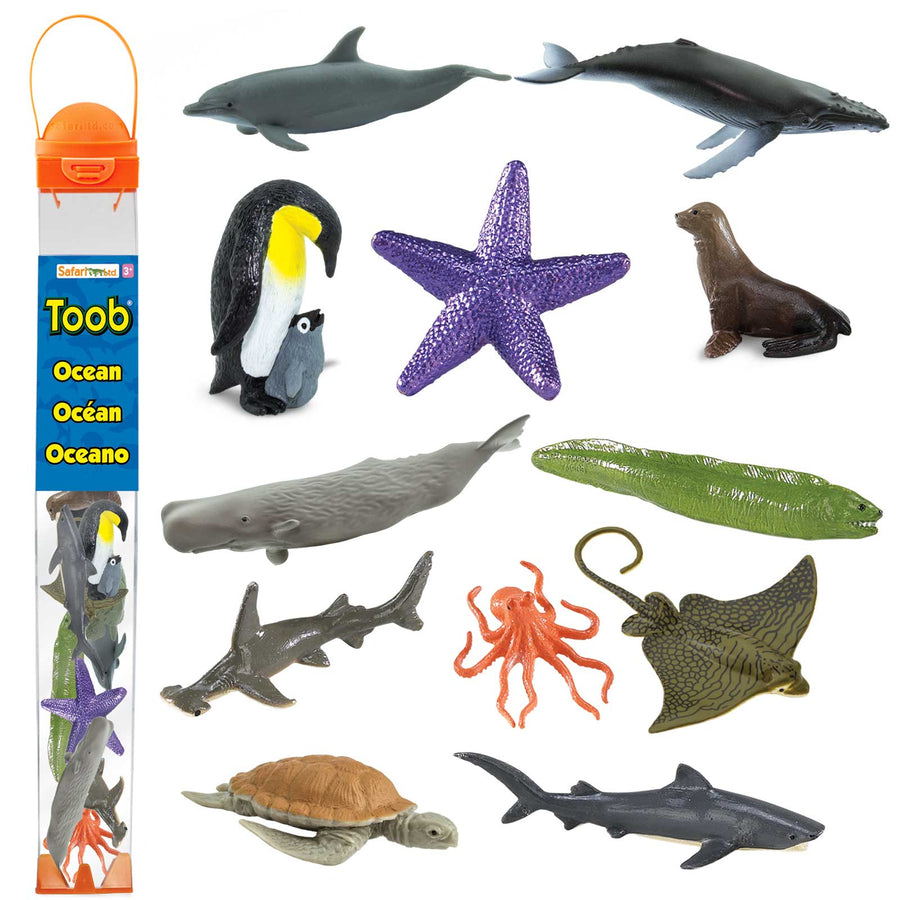
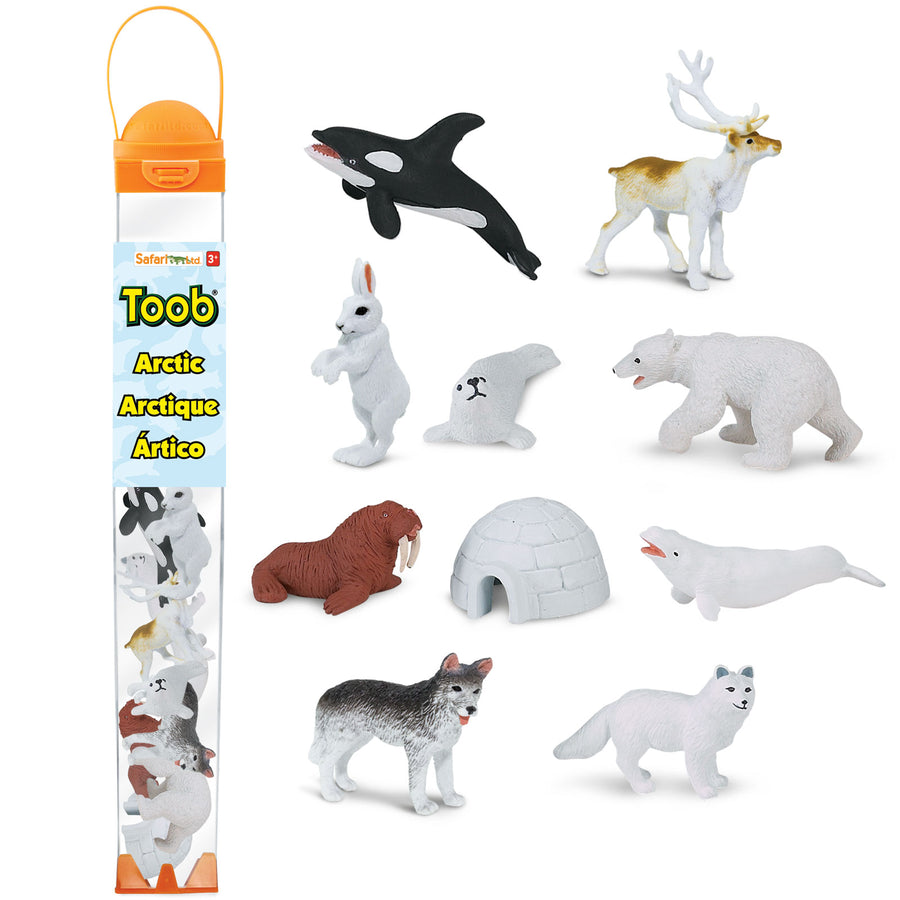
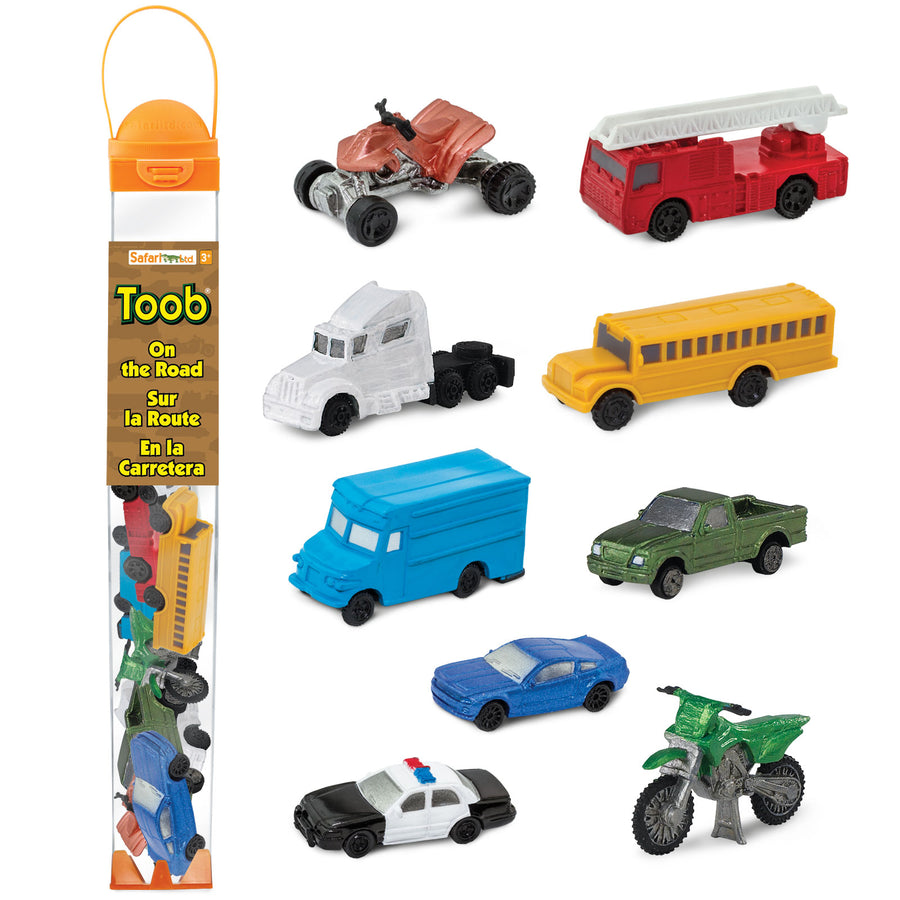
These collections make it easier to discuss cold climates, food chains, and survival strategies without mixing animals from unrelated habitats.
TOOBs® help simplify ecosystem learning. They reduce setup time, keep lessons focused, and encourage children to think in terms of environments rather than individual animals. This approach to learning makes them especially useful for classrooms, homeschool lessons, and hands-on science activities.
“Almost Mythical” Animals in the Safari Ltd Collection
Some real animals are so unusual that people once believed there was no way they could exist. Safari Ltd includes figures like these in its collection. They give children a chance to explore how science explains animals that seem almost unbelievable at first glance.
The platypus is a perfect example. Early scientists thought this little mammal was a hoax because it lays eggs, has a duck-like bill, webbed feet, and fur. Today, those features are understood as adaptations to freshwater river ecosystems, where the platypus swims, hunts, and nests along riverbanks.
The giant squid is another animal that challenged early understanding. For centuries, its deep-ocean habitat kept it hidden from human observation. Leading to speculation and mystery. Modern research later confirmed the giant squid as a real species adapted to life far below the ocean’s surface.
Including animals like the platypus and giant squid helps children see how ecosystems shape even the most unusual forms of life. It also shows how scientific knowledge grows as humans learn more about hard-to-reach environments.
How to Use Animal Figurines for Learning
Animal figurines become powerful learning tools when paired with simple activities. The following activities support learning about ecosystems through play, observation, and discussion:
- Construct a diorama: Start with trays or shallow bins. Fill them with sand, water, pebbles, leaves, or cotton balls to recreate habitats.
- Teach adaptations: Point out how traits like white fur, webbed feet, or long beaks support survival.
- Explore needs: Discuss food, water, and shelter. Talk about how each habitat provides them.
- Create stories: Encourage “a day in the life” scenarios or simple food chains to reinforce understanding.
Bring Habitats & Ecosystems to Life with Realistic Animal Figurines
Kids learn best when curiosity leads the way, and realistic animal figurines invite them to explore how animals actually live in forests, oceans, rivers, and deserts.
Through hands-on play, children start making connections between habitats, adaptations, and survival without it ever feeling like a lesson.
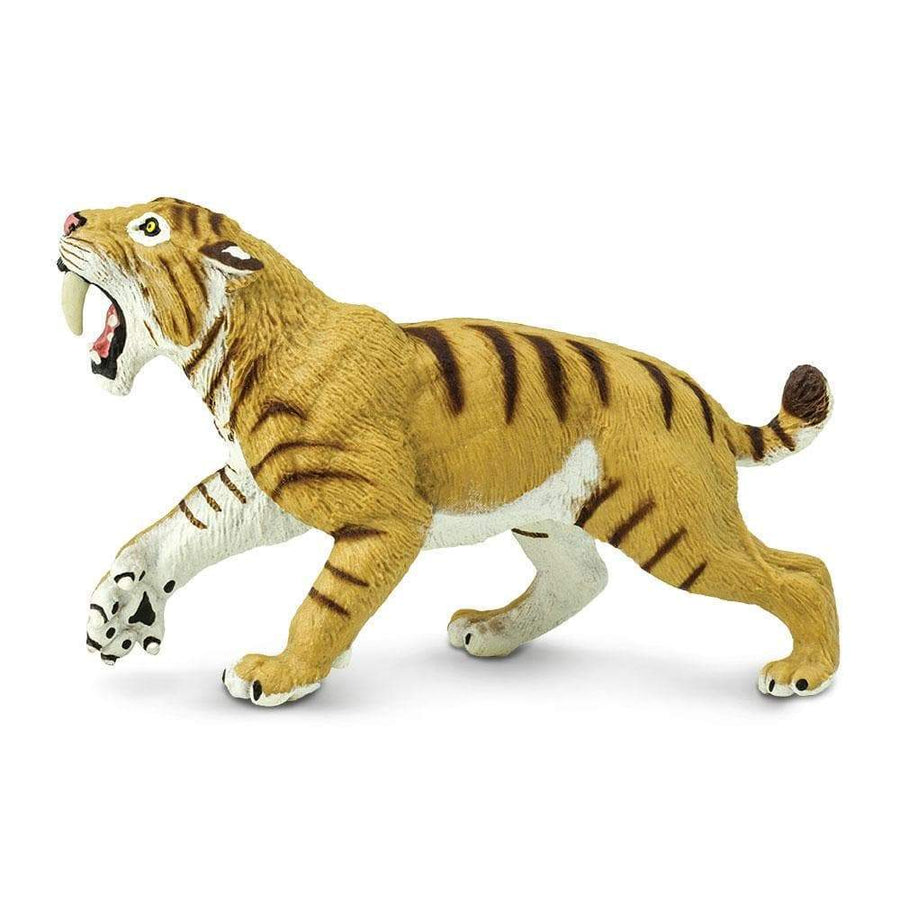
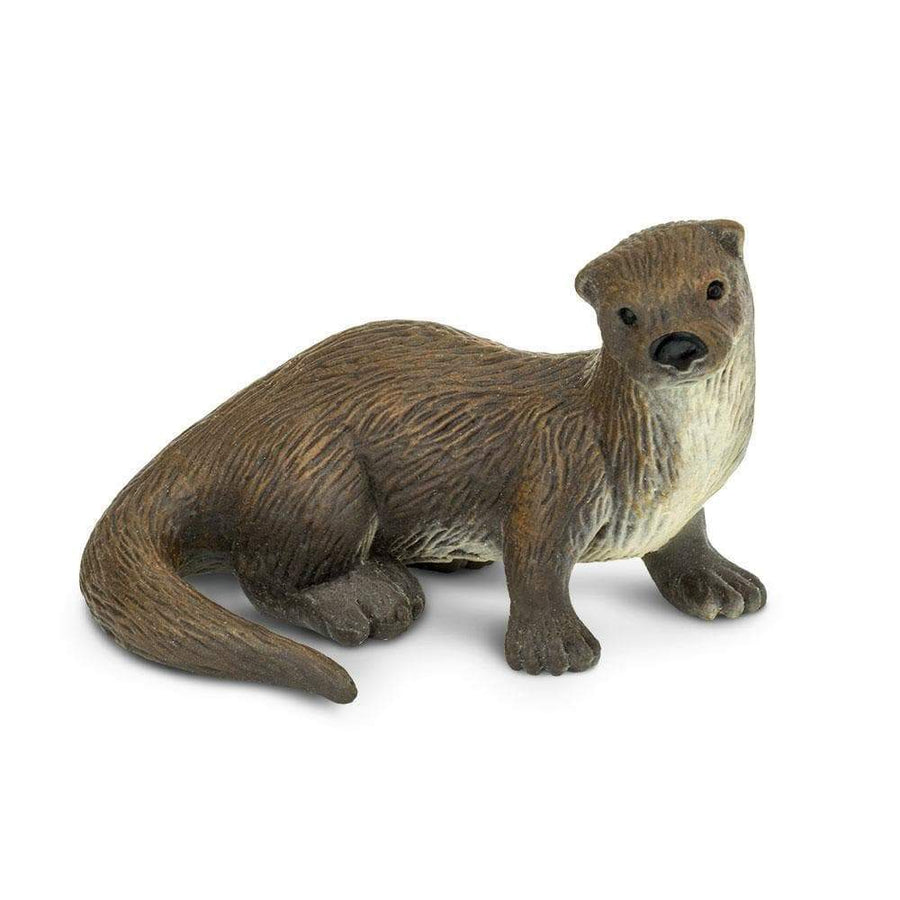
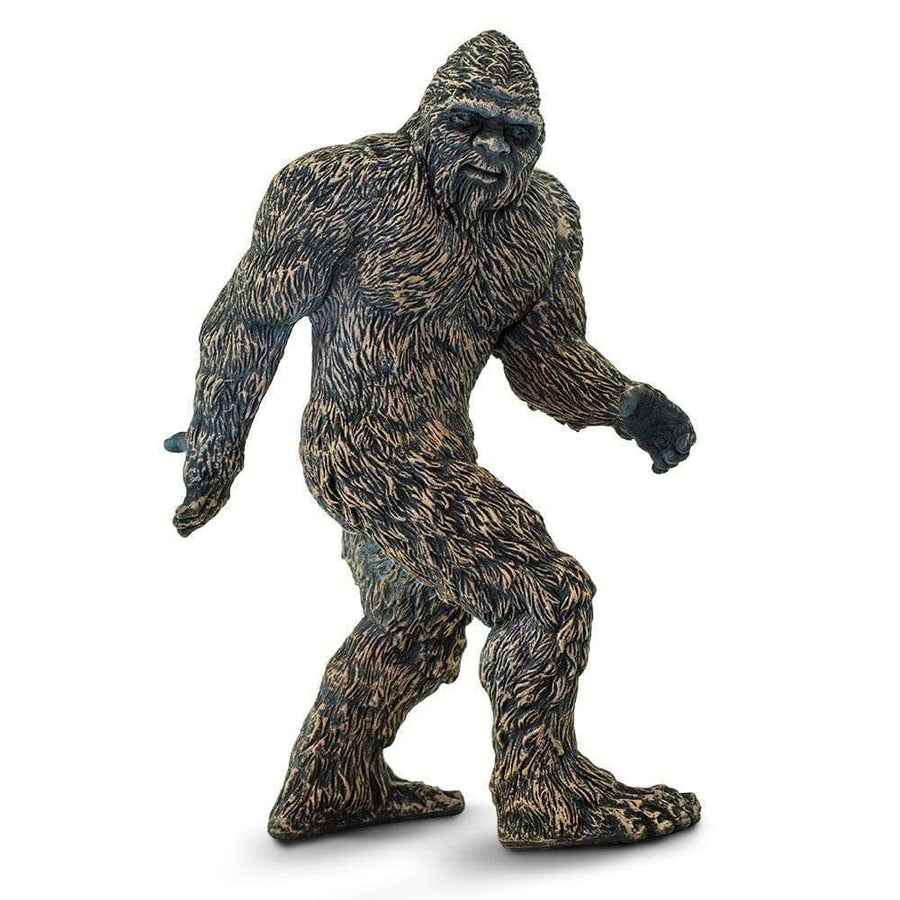
If you’re looking for animal figures that spark that kind of curiosity and exploration, Safari Ltd’s figurine collection is a great place to start.

