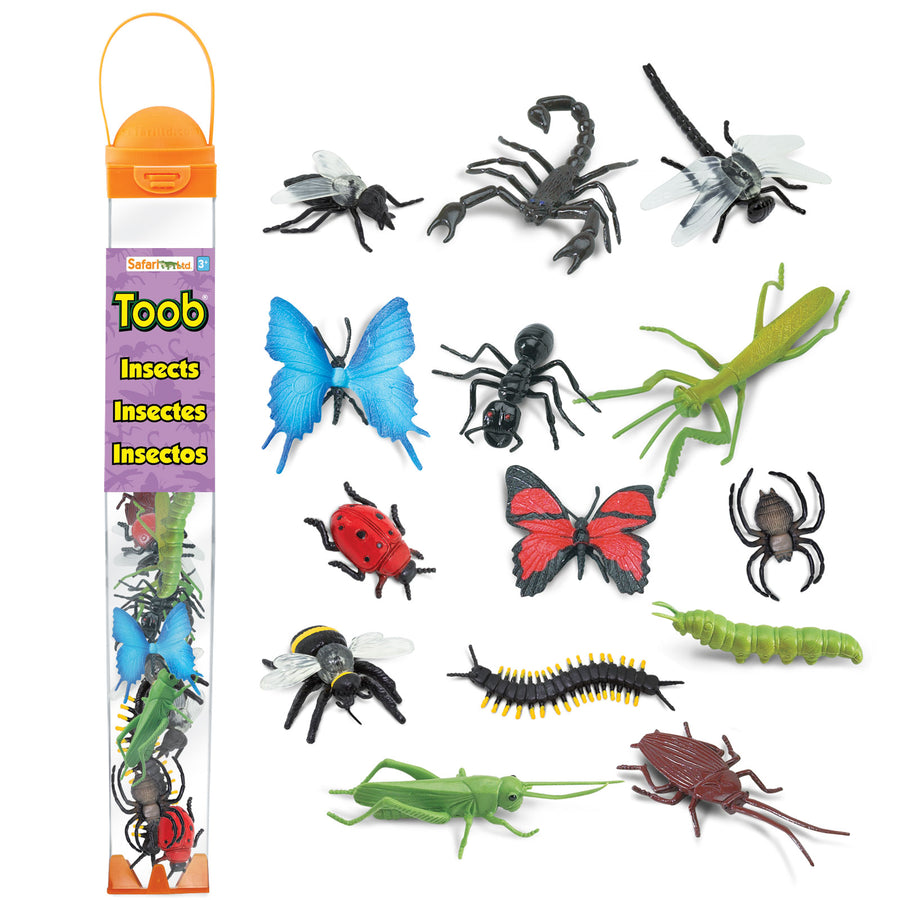
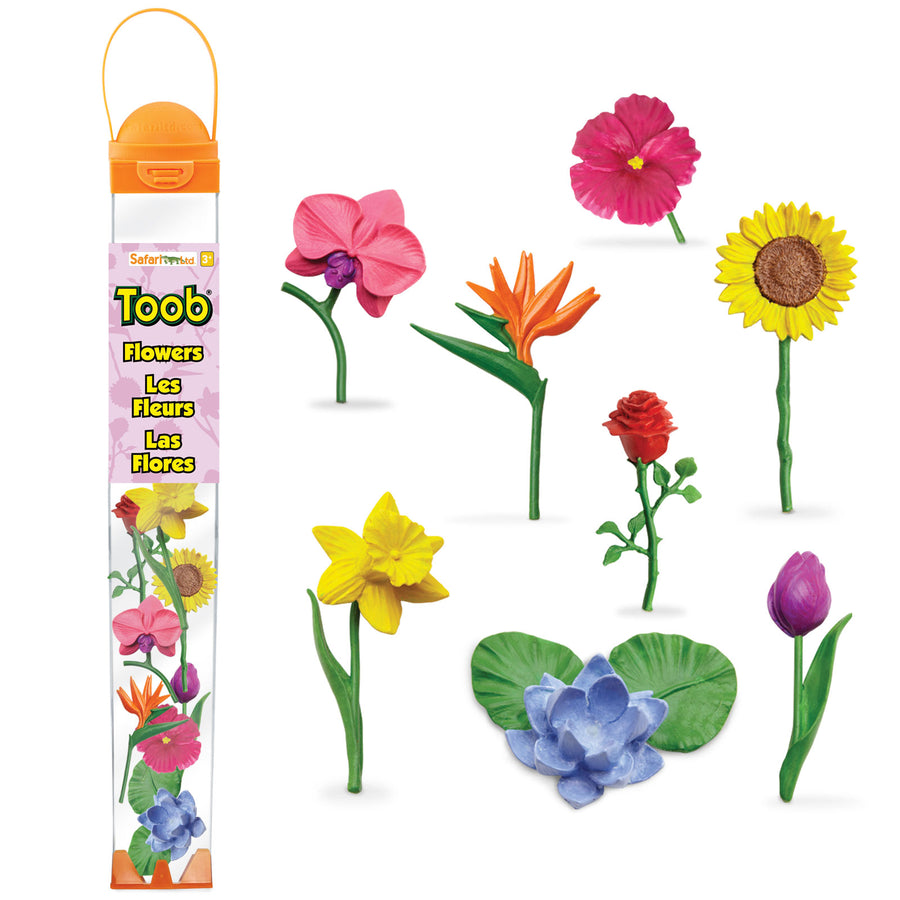
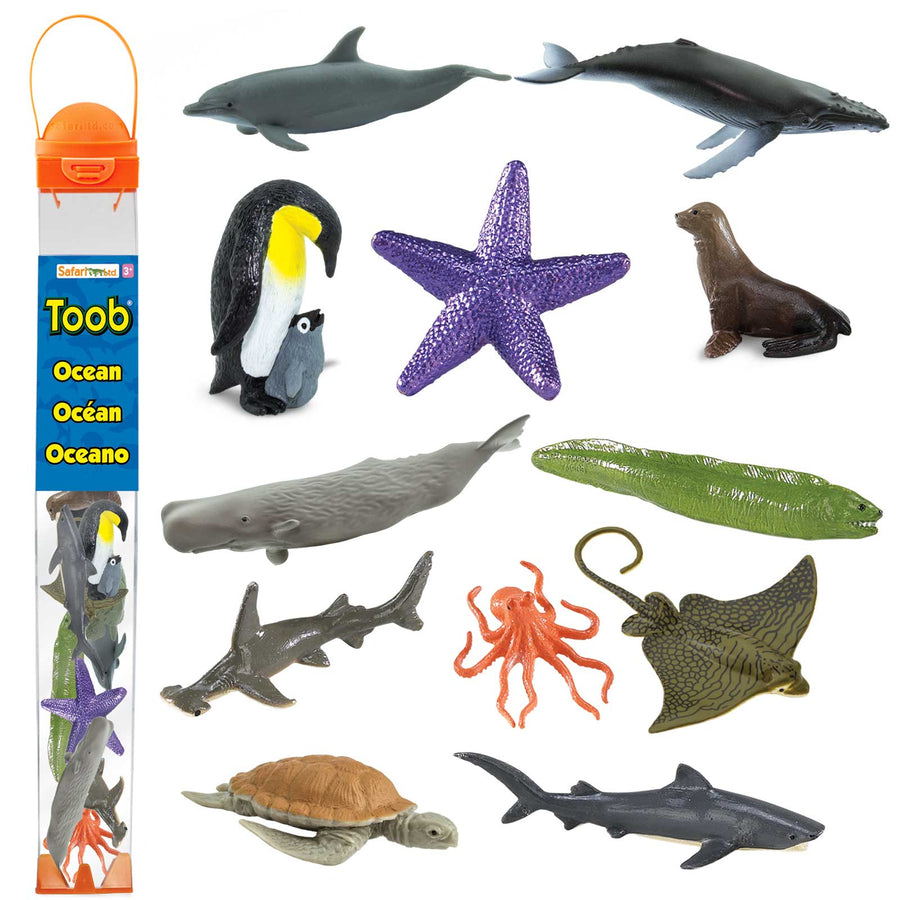
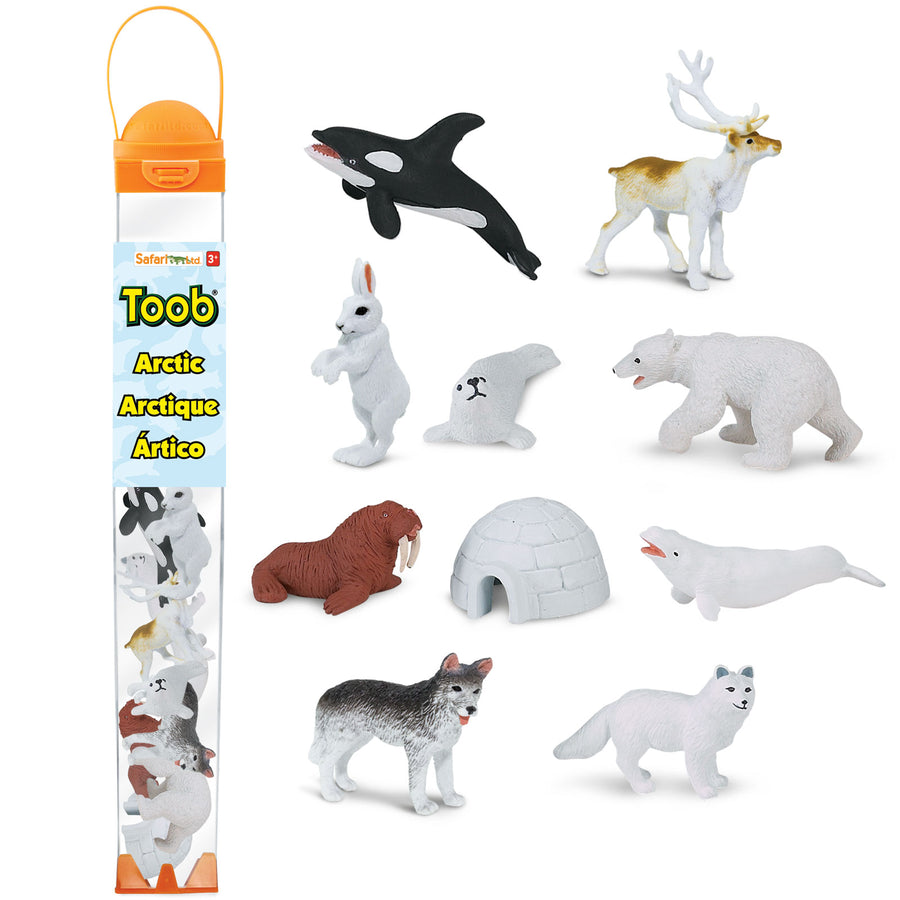
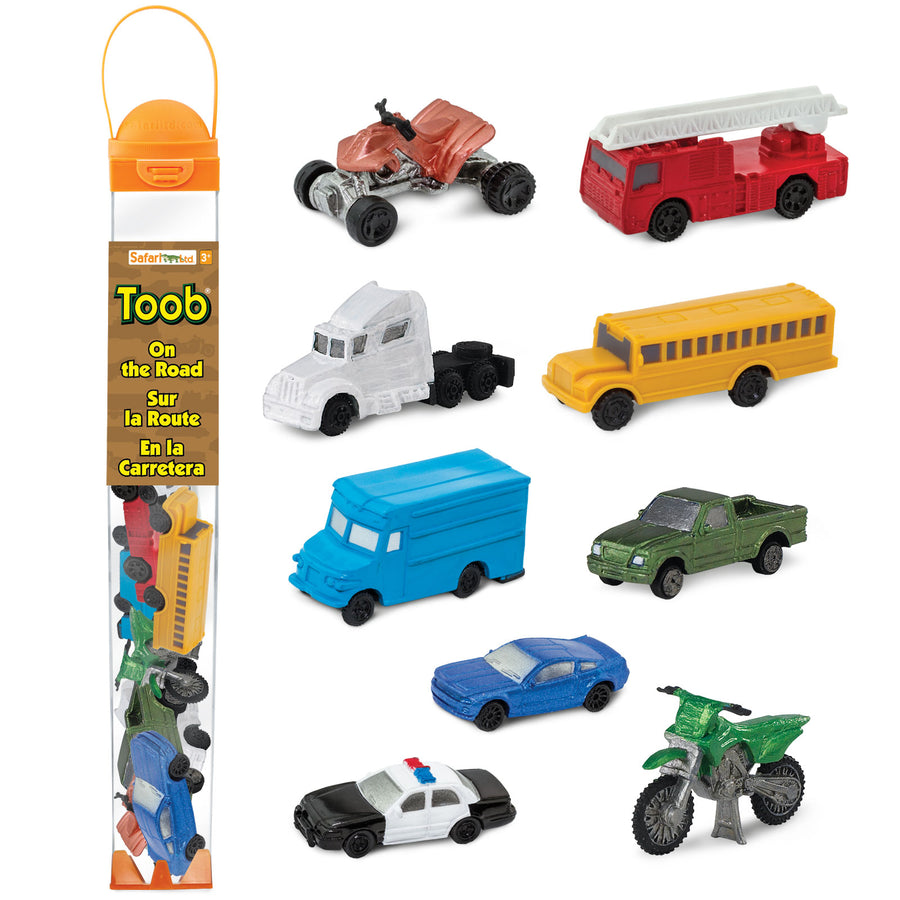
If you've ever watched a child arrange tiny animals, trees, and figures in a sand tray, you may have wondered if there’s even a method to the madness. This type of activity, often called small world play, gives children a miniature, self-contained world to build and rearrange however they choose. It's unscripted and gives the child complete control over the space.
Small world play is closely related to sand tray therapy, a technique that dates back to the late 1920s. British psychiatrist Margaret Lowenfeld developed it, originally called the World Technique, out of frustration with the limits of traditional talk therapy for children. She wanted a way to reach the inner lives of kids who couldn't yet put their feelings into words, so she gave them trays of sand and small toys and simply said, "make whatever comes into your head." In the 1950s, Swiss Jungian analyst Dora Kalff studied directly with Lowenfeld and built on her method by layering in Jungian analytic theory, an approach that came to be known as sand play therapy.

What Small World Play Actually Looks Like
In our house, small world play shows up differently than the traditional model. My son plays with his “Pixar Cars” diecast cars (what we call his "tiny cars") driving and parking them repeatedly, sometimes for twenty to thirty minutes at a time. At first, this seemed like ordinary play. Watching more closely, though, it follows the same pattern as sand tray work, just with vehicles instead of figures.
He builds a consistent world with its own internal logic. Lightning McQueen, Sally, and Mater always park next to each other, since they're friends. Racecars get grouped with other racecars, and regular cars get grouped with other regular cars. Some of them race against each other, with a clear winner each time. To me, it seems like he’s just doing his thing; to him there’s thought behind it and specific choices made for specific reasons.
Showing Feelings Through Play
Adults tend to process things by talking them out: narrating the day, venting to a friend, journaling; kids though, especially younger ones, don't have those same skills yet. Kids this age are still developing the ability to put complicated feelings into words. So when something significant happens, like a big move, a family change, a medical scare, or even a hard day at school, sometimes they can't tell you what's wrong. They can, however, show you through play.
A child who repeatedly buries a figure in the sand might be working through a feeling of being overwhelmed or unseen. A child who lines cars up in a strict, unchanging order after a stressful week might be looking for a sense of control when the rest of their life feels unpredictable. A child who reenacts the same 'crash' scenario over and over, especially after something scary happened, like a fall or a trip to the ER, might be processing fear by replaying it on their own terms, at their own pace. Underneath each of these examples is a child working something out; play lets them do it without ever having to explain things that feel too difficult to explain on their own.

Small World Play and Confidence
Small world play also supports a child's sense of agency. Within this small world, the child is fully in charge; they decide the outcomes, assign roles, and control the narrative. Given how often children are told what to do throughout the day, every day, having one space where they make every decision can reinforce a sense of capability and control. This contributes meaningfully to confidence over time.

Small World Play and Reality
Children are continually trying to make sense of how relationships, cause and effect, and fairness work. Small world play offers a low-stakes setting to explore these concepts. A child might stage a conflict and then a resolution, or rehearse a scenario that would otherwise feel too overwhelming to think through directly. In miniature form, these situations become manageable to explore and repeat without real life consequences.
How to Support This Play at Home
In all reality, you probably have everything that you need to do this with your kids at home. A shoebox of small cars works just as well as a sand tray with figures, since the format itself is flexible. What matters more is resisting the urge to control it, and instead letting the child decide what happens. Open-ended questions work better than direct ones ("Tell me about this one" or "Why did it crash?") because it gives your child the chance to explain their reasoning behind their play. What do you know? Turns out there was a method to the madness all along!

Quick Read Version:
· Small world play (think sand trays, tiny figures, or in our case, "tiny cars") gives kids a miniature world they fully control; no script, no rules but their own
· It's rooted in real psychology, dating back to the 1920s, when Margaret Lowenfeld created it to help kids express feelings they didn't have words for yet
· Kids show what they can't say; the way they play (what they repeat, how they arrange things, what keeps coming up) often points to what they're actually processing
· It builds confidence; being fully in charge of a tiny world (even for 20 minutes) is a big deal for a kid who's told what to do all day
· It helps them make sense of the real world; conflict, fairness, cause and effect all get rehearsed in miniature, with none of the real-world consequences
My son parks his "tiny cars" in the exact same formation every time. McQueen, Sally, and Mater together. Racecars with racecars. I used to think it was just a habit; turns out it's not!
It's called small world play; the same concept behind sand tray therapy. A contained, miniature world a kid fully controls, where they work through things they don't have the words for yet. The order isn't random.
About the Author:
Paige Whitley is a Licensed Mental Health Counselor in Florida. With over 3 years of dedicated experience, Paige has become a trusted ally for diverse populations, including the neurodivergent community, trauma survivors, substance abuse sufferers, and those navigating general mental health challenges. Since 2010, Paige has impacted young lives through her work as a lifeguard, swim teacher, behavior technician, nanny, and counselor. When not at work, she indulges in the magic of Disney Parks, enticing culinary adventures, and family time with her husband, fur babies, and baby Whitley. Passionate and empathetic, she's a catalyst for positive change, committed to improving her community's mental health landscape.
References
Conroy, S., Alwani, S., Day, N., & Kulkarni, K. (2025). Trusting play to be meaningful data: Using sand tray as a play-based research method with an adapted interpretative phenomenological analysis. International Journal of Play, 14(1), 81–98. https://doi.org/10.1080/21594937.2025.2464334
Dr Margaret Lowenfeld Trust. (n.d.). The World Technique. https://lowenfeld.org/the-world-technique/
Tornero, M. D. L. A., & Capella, C. (2017). Change during psychotherapy through sand play tray in children that have been sexually abused. Frontiers in Psychology, 8, Article 617. https://doi.org/10.3389/fpsyg.2017.00617
Veraksa, A. N., Plotnikova, V. A., Sukhikh, V. L., Kornienko, D. S., & Rudnova, N. A. (2025). Non-therapeutic play to overcome negative emotional symptoms and improve emotional intelligence in children aged 3–7: A systematic review. Frontiers in Psychology, 16, Article 1475387. https://doi.org/10.3389/fpsyg.2025.1475387